
Hashimoto’s thyroiditis is an autoimmune condition in which the immune system mistakenly attacks the thyroid gland, often leading to hypothyroidism. While medication plays a central role in managing thyroid hormone levels, diet and lifestyle choices are powerful tools for supporting overall thyroid health, reducing inflammation, and improving quality of life.
A well-planned Hashimoto’s Disease Diet focuses on nourishing the body, calming immune overactivity, and providing key nutrients essential for thyroid function. The science behind diet and Hashimoto’s, foods to eat and avoid, and practical meal ideas based on some of the Best Diet Plans for thyroid support.
Understanding Hashimoto’s Disease and Nutrition
Hashimoto’s disease develops slowly and may not show symptoms in the early stages. Over time, inflammation damages the thyroid, reducing its ability to produce hormones that regulate metabolism, energy, body temperature, and mood.
Common Symptoms of Hashimoto’s
- Fatigue and weakness
- Weight gain or difficulty losing weight
- Cold intolerance
- Hair thinning or hair loss
- Brain fog and poor concentration
- Depression or anxiety
- Digestive issues
Nutrition cannot cure Hashimoto’s, but the right diet can:
- Reduce chronic inflammation
- Support immune balance
- Improve gut health
- Enhance energy levels
- Complement thyroid medication
That’s why following a structured Hashimoto’s Disease Diet is increasingly recommended by healthcare professionals and nutrition experts.
Core Principles of the Hashimoto’s Disease Diet
Before diving into meal ideas, it’s important to understand the foundational principles that guide thyroid-supportive eating.
1. Focus on Anti-Inflammatory Foods
Inflammation plays a major role in autoimmune diseases. Reducing inflammatory triggers can ease symptoms and improve overall well-being.
2. Support Gut Health
The gut and immune system are closely linked. Many people with Hashimoto’s experience leaky gut or digestive sensitivities, making gut-friendly foods essential.
3. Ensure Adequate Nutrient Intake
Certain nutrients—like selenium, zinc, iodine (in moderation), iron, and vitamin D—are critical for thyroid function.
4. Stabilize Blood Sugar
Balanced meals with protein, healthy fats, and complex carbohydrates help prevent energy crashes and hormone imbalances.
Best Foods to Include in a Hashimoto’s Disease Diet
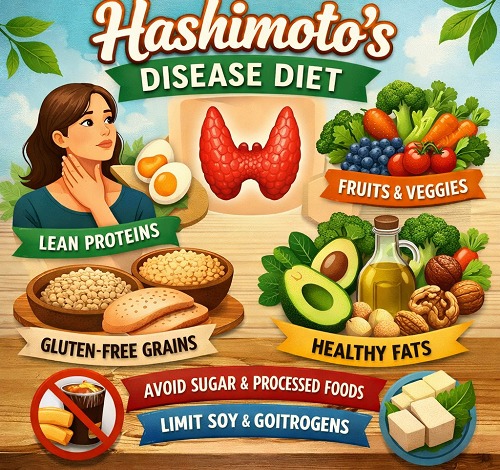
1. High-Quality Proteins
Protein supports muscle mass, metabolism, and hormone production.
Best choices:
- Wild-caught fish (salmon, sardines, mackerel)
- Organic chicken and turkey
- Grass-fed beef or lamb
- Eggs (if tolerated)
- Plant proteins like lentils and chickpeas (if digestion allows)
2. Anti-Inflammatory Vegetables
Vegetables provide antioxidants, fiber, and micronutrients.
Top options:
- Leafy greens (spinach, kale, arugula)
- Zucchini, carrots, cucumber
- Sweet potatoes
- Bell peppers
- Mushrooms
Tip: Lightly cooking cruciferous vegetables (broccoli, cauliflower) can reduce compounds that may interfere with thyroid function when eaten raw in large amounts.
3. Healthy Fats for Hormone Balance
Healthy fats help reduce inflammation and support hormone signaling.
Include:
- Extra virgin olive oil
- Avocados
- Coconut oil
- Nuts and seeds (Brazil nuts are excellent for selenium)
- Fatty fish rich in omega-3s
4. Thyroid-Supporting Fruits
Fruits offer antioxidants without excessive inflammation when eaten in moderation.
Best choices:
- Berries (blueberries, strawberries)
- Apples
- Pears
- Cherries
- Citrus fruits
5. Gluten-Free Whole Grains (If Tolerated)
Many people with Hashimoto’s benefit from reducing or eliminating gluten due to its similarity to thyroid tissue.
Better options:
- Quinoa
- Brown rice
- Buckwheat
- Millet
- Certified gluten-free oats
Foods Commonly Avoided in a Hashimoto’s Disease Diet
While individual tolerance varies, the following foods are often limited in the Best Diet Plans for Hashimoto’s:
1. Gluten
Gluten may trigger immune reactions in people with autoimmune thyroid conditions.
2. Highly Processed Foods
- Packaged snacks
- Fast food
- Artificial sweeteners
- Refined vegetable oils
These foods promote inflammation and disrupt gut health.
3. Excess Sugar
High sugar intake contributes to inflammation, blood sugar imbalance, and fatigue.
4. Soy Products (In Excess)
Soy may interfere with thyroid hormone absorption, especially when consumed near medication timing.
5. Excess Iodine
While iodine is essential, too much can worsen autoimmune thyroid inflammation. Avoid over-supplementation unless directed by a doctor.
Best Diet Plans for Hashimoto’s Disease
There is no single perfect diet, but several eating approaches align well with the Hashimoto’s Disease Diet principles.
1. Anti-Inflammatory Diet
Focuses on whole, unprocessed foods rich in antioxidants and healthy fats.
Best for: Reducing inflammation and fatigue.
2. Mediterranean Diet
Emphasizes fish, vegetables, olive oil, nuts, and fruits.
Best for: Heart health, hormone balance, and long-term sustainability.
3. Autoimmune Protocol (AIP)
A stricter elimination diet that removes potential triggers like gluten, dairy, legumes, and nightshades.
Best for: Identifying food sensitivities and calming severe autoimmune symptoms.
4. Gluten-Free Whole Foods Diet
Eliminates gluten while keeping meals simple and nutrient-dense.
Best for: People with mild to moderate symptoms.
Hashimoto’s Disease Diet: Best Meal Ideas for Thyroid Support
Below are practical, nourishing meal ideas that fit seamlessly into most Best Diet Plans for Hashimoto’s.
Breakfast Ideas
- Veggie Omelet with Avocado
- Eggs cooked in olive oil
- Spinach, mushrooms, and onions
- Sliced avocado on the side
- Chia Seed Pudding
- Chia seeds soaked in almond or coconut milk
- Topped with berries and walnuts
- Smoothie for Thyroid Support
- Blueberries
- Spinach
- Protein powder (clean, dairy-free)
- Flaxseed and coconut milk
Lunch Ideas
- Grilled Salmon Salad
- Wild salmon
- Mixed greens
- Olive oil and lemon dressing
- Pumpkin seeds for zinc
- Quinoa & Roasted Vegetable Bowl
- Quinoa
- Sweet potatoes, zucchini, carrots
- Tahini or olive oil drizzle
- Chicken & Vegetable Soup
- Bone broth base
- Organic chicken
- Celery, carrots, herbs
Dinner Ideas
- Baked Chicken with Sweet Potatoes
- Herb-seasoned chicken breast
- Roasted sweet potatoes
- Steamed greens
- Stir-Fried Vegetables with Shrimp
- Shrimp sautéed in coconut oil
- Bell peppers, broccoli, snap peas
- Grass-Fed Beef with Cauliflower Mash
- Slow-cooked beef
- Mashed cauliflower with garlic and olive oil
Snack Ideas
- Brazil nuts (1–2 daily for selenium)
- Apple slices with almond butter
- Coconut yogurt with berries
- Hard-boiled eggs
- Homemade energy balls (dates, nuts, seeds)
Hydration and Beverages for Thyroid Health
Staying hydrated is essential for metabolism and digestion.
Best options:
- Filtered water
- Herbal teas (ginger, chamomile, peppermint)
- Bone broth
Limit or avoid:
- Sugary drinks
- Excess caffeine
- Alcohol (can stress the immune system)
Lifestyle Tips to Support the Hashimoto’s Disease Diet
Diet works best when combined with healthy lifestyle habits:
- Eat meals at regular times
- Avoid skipping meals
- Manage stress through meditation or gentle yoga
- Prioritize sleep
- Take thyroid medication on an empty stomach, away from supplements
Final Thoughts
A well-structured Hashimoto’s Disease Diet is not about restriction—it’s about nourishment, balance, and long-term support for your thyroid and immune system. By focusing on whole foods, anti-inflammatory ingredients, and personalized choices, you can significantly improve energy levels, digestion, and overall well-being.
The key is consistency. Whether you follow an anti-inflammatory approach, a Mediterranean style of eating, or one of the Best Diet Plans tailored for autoimmune health, small daily choices add up to meaningful results.