Daily Routine for Reducing Scleroderma Flare-Ups Naturally and Effectively

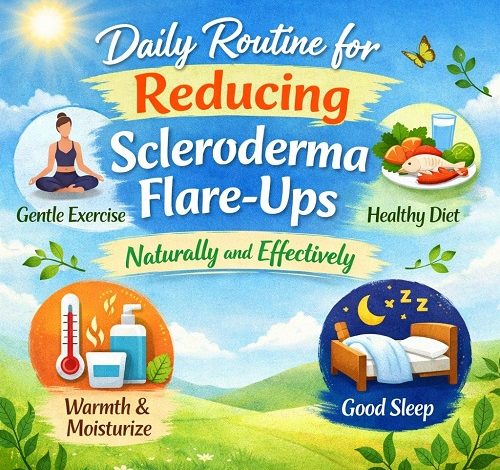
Living with Scleroderma can be challenging, especially when unpredictable flare-ups disrupt your daily life. However, with the right routine, you can take control of your symptoms and significantly improve your quality of life. A natural effective daily routine focused on Reducing Scleroderma Flare-Ups through lifestyle, diet, stress management, and self-care practices.
Understanding Scleroderma and Flare-Ups
Before diving into the routine, it’s essential to understand what triggers flare-ups. Scleroderma is an autoimmune condition where the body produces excess collagen leading to skin thickening and potential internal organ involvement.
Common Flare-Up Triggers:
- Stress and anxiety
- Cold weather
- Poor diet
- Lack of sleep
- Physical inactivity
- Environmental toxins
Managing these triggers is the foundation of Reducing Scleroderma Flare-Ups.
Morning Routine for a Healthy Start
Your morning sets the tone for the entire day. A structured, mindful start can help reduce inflammation and support your body.
1. Wake Up Gently and Hydrate
Start your day by waking up at the same time each morning. Consistency helps regulate your internal clock.
- Drink a glass of warm water with lemon
- Helps detoxify the body
- Supports digestion and circulation
Hydration is crucial for maintaining skin elasticity and reducing stiffness.
2. Gentle Stretching and Mobility Exercises
Morning stiffness is common in scleroderma patients. Light exercises can improve blood flow and flexibility.
Recommended Activities:
- Neck and shoulder rolls
- Finger and wrist stretches
- Light yoga (10–15 minutes)
- Deep breathing exercises
These movements help in Reducing Scleroderma Flare-Ups by enhancing circulation and reducing tightness.
3. Anti-Inflammatory Breakfast
A healthy breakfast fuels your body and reduces inflammation.
Ideal Foods:
- Oatmeal with berries
- Smoothies with spinach, banana, and flaxseeds
- Eggs with whole-grain toast
- Green tea or herbal tea
Foods to Avoid:
- Processed sugars
- Fried foods
- Excess caffeine
A balanced diet plays a major role in managing symptoms.
4. Skincare Routine
Skin tightening and dryness are key symptoms of scleroderma.
Morning Skincare Tips:
- Apply a natural moisturizer (like coconut oil or shea butter)
- Use sunscreen to protect sensitive skin
- Avoid harsh soaps
Healthy skin care is essential for Reducing Scleroderma Flare-Ups and preventing irritation.
Midday Routine: Stay Active and Balanced
5. Stay Physically Active
Regular movement helps prevent stiffness and improves circulation.
Activities:
- Walking for 20–30 minutes
- Light household chores
- Desk stretching if working
Avoid prolonged sitting as it can worsen symptoms.
6. Balanced Lunch
A nutrient-rich lunch supports your immune system.
Include:
- Lean protein (chicken, fish, legumes)
- Leafy greens
- Whole grains
- Healthy fats (olive oil, avocado)
Hydration:
- Drink water regularly
- Avoid sugary drinks
Good nutrition is a cornerstone of Reducing Scleroderma Flare-Ups.
7. Manage Stress Effectively
Stress is one of the biggest triggers of flare-ups.
Stress-Relief Techniques:
- Meditation (10 minutes)
- Deep breathing exercises
- Listening to calming music
- Journaling
Reducing mental stress directly impacts physical symptoms.
Afternoon Routine: Maintain Energy Levels
8. Take Short Breaks
Avoid overexertion.
- Take breaks every 1–2 hours
- Stretch or walk around
- Practice mindful breathing
This prevents fatigue and inflammation.
9. Healthy Snacks
Keep your energy stable with nutritious snacks.
Snack Ideas:
- Nuts and seeds
- Fresh fruits
- Yogurt
- Herbal teas
Avoid processed snacks that can trigger inflammation.
Evening Routine: Wind Down and Recover
10. Light Exercise or Relaxation
Evening is perfect for relaxation.
Options:
- Gentle yoga
- Stretching
- Short walk
This helps your body unwind and supports Reducing Scleroderma Flare-Ups.
11. Warm Bath Therapy
Warm baths can relieve muscle stiffness and improve circulation.
Tips:
- Add Epsom salts
- Use essential oils like lavender
- Keep water warm, not hot
This is especially helpful for joint pain and skin tightness.
12. Anti-Inflammatory Dinner
Dinner should be light but nourishing.
Ideal Choices:
- Grilled fish or tofu
- Steamed vegetables
- Quinoa or brown rice
Avoid:
- Heavy, greasy foods
- Late-night eating
Proper digestion is key to symptom management.
Night Routine: Promote Restful Sleep
13. Digital Detox
Reduce screen time at least 1 hour before bed.
- Avoid phones and laptops
- Read a book or listen to calming music
This improves sleep quality.
14. Sleep Hygiene
Quality sleep is essential for healing.
Tips:
- Sleep 7–9 hours
- Maintain a consistent sleep schedule
- Keep your room cool and dark
Good sleep supports immune function and helps in Reducing Scleroderma Flare-Ups.
Weekly Add-Ons to Enhance Your Routine
15. Massage Therapy
- Improves blood flow
- Reduces stiffness
- Relieves stress
16. Sunlight Exposure
- Boosts Vitamin D
- Supports immune health
Spend 10–20 minutes in sunlight daily.
17. Herbal Support
Certain herbs may help reduce inflammation.
Examples:
- Turmeric
- Ginger
- Aloe vera
Always consult a healthcare provider before use.
Lifestyle Tips for Long-Term Management
18. Avoid Cold Exposure
Cold weather can worsen symptoms.
- Wear warm clothing
- Use gloves and socks
- Keep your home warm
19. Quit Smoking
Smoking reduces blood flow and worsens symptoms.
20. Stay Consistent
Consistency is key. A daily routine is only effective if followed regularly.
Sample Daily Routine Summary
Morning:
- Wake up + hydrate
- Stretch/yoga
- Healthy breakfast
- Skincare
Midday:
- Stay active
- Balanced lunch
- Stress management
Afternoon:
- Take breaks
- Healthy snacks
Evening:
- Light exercise
- Warm bath
- Healthy dinner
Night:
- Digital detox
- Quality sleep
Final Thoughts
Managing scleroderma doesn’t have to feel overwhelming. By following a structured daily routine, you can significantly improve your symptoms and overall well-being. The key to Reducing Scleroderma Flare-Ups lies in consistency, mindful living, and listening to your body.
Natural approaches such as proper nutrition, gentle exercise, stress management, and good sleep hygiene can make a powerful difference. While these strategies may not cure scleroderma, they empower you to live a healthier, more comfortable life.