

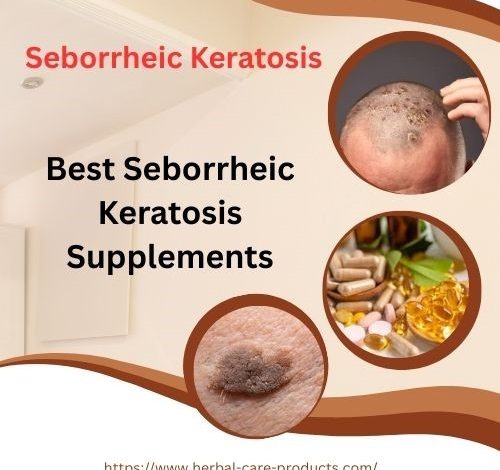
Introduction: A Natural Approach to Seborrheic Keratosis Relief
Seborrheic keratosis is one of the most common noncancerous skin growths, affecting millions worldwide—especially adults over 40. While harmless, these waxy, brown, or black skin patches can be cosmetically bothersome, prompting individuals to seek safe and effective ways to minimize or prevent them. Although medical procedures such as cryotherapy, curettage, and laser removal are available, many people prefer natural solutions, especially supplements that may support skin health from within.
The best Seborrheic Keratosis supplements, how they work, their benefits, scientific background, and how to use them effectively as part of a holistic skin-care strategy. If you’re looking for natural methods to achieve clearer, healthier skin, this article will help you understand exactly what to take and why.
What Is Seborrheic Keratosis?
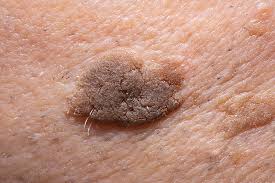
Seborrheic keratosis (SK) is a benign skin growth caused by a buildup of skin cells. They can appear anywhere except palms and soles and often become more common with age.

Key Characteristics of Seborrheic Keratosis
- Waxy or wart-like appearance
- Brown, tan, yellow, or black in color
- Often slightly raised
- Sometimes itchy or irritated
- Common on the face, chest, back, and scalp
While medical professionals still don’t know the exact cause, several factors contribute to the formation of SK:
- Genetics
- Sun exposure
- Aging skin
- Inflammation and oxidative stress
These factors point toward the importance of maintaining optimal skin health, which is where supplements may help.
Why Consider Seborrheic Keratosis Supplements?
While supplements cannot “remove” existing seborrheic keratoses like medical treatments can, they may:
- Support healthy cell regeneration
- Reduce oxidative stress
- Improve skin immunity
- Minimize inflammation
- Support collagen production
- Reduce the likelihood of new growths forming
Many natural compounds show promising results in improving overall skin health and preventing abnormal skin cell buildup—making them valuable additions to holistic SK management.
Best Seborrheic Keratosis Supplements: Top Natural Solutions for Clearer Skin
Below are the top-rated supplements considered beneficial for those dealing with seborrheic keratosis. Each section explains how the supplement works, recommended dosage, and benefits.
1. Vitamin D: A Key Skin Immunity Booster
Vitamin D plays a vital role in skin health by regulating cell growth and supporting immune function. A deficiency in Vitamin D has been linked to various skin irregularities, including abnormal keratinocyte buildup—which is the main cause of seborrheic keratosis.
Benefits for Seborrheic Keratosis
- Supports normal skin cell turnover
- Enhances immune response
- May reduce abnormal keratin buildup
- Improves skin texture and hydration
Recommended Dosage
- 1000–2000 IU daily (or as recommended by your doctor)
2. Vitamin E: The Ultimate Antioxidant for Youthful Skin
Vitamin E is known as the “skin vitamin” because it protects against oxidative stress and environmental damage.
Benefits for Seborrheic Keratosis
- Prevents oxidative cell damage
- Supports healing and hydration
- Reduces skin roughness
- May slow the formation of new lesions
Recommended Dosage
- 200–400 IU daily
3. Vitamin C: Essential for Collagen and Skin Repair
Vitamin C is crucial for maintaining healthy skin structure, boosting collagen, and reducing inflammation.
Benefits
- Enhances skin brightness and tone
- Protects skin cells from free radicals
- May reduce irritation around existing lesions
- Supports collagen for smoother skin
Recommended Dosage
- 500–1000 mg daily
4. Omega-3 Fish Oil: Reduces Inflammation and Supports Skin Elasticity
Omega-3 fatty acids (EPA and DHA) are powerful anti-inflammatory agents.
Benefits for Seborrheic Keratosis
- Reduces inflammation in skin tissues
- Improves hydration and elasticity
- May minimize irritation caused by SK
- Supports overall immune health
Recommended Dosage
- 1000–2000 mg daily
5. Zinc: A Mineral Essential for Skin Repair
Zinc helps maintain healthy skin structure and supports immune function.
Benefits
- Promotes normal skin cell regeneration
- Fights oxidative stress
- Reduces inflammation
- Supports wound healing
Recommended Dosage
- 15–30 mg daily
6. Selenium: A Powerful Skin-Protective Antioxidant
Selenium supports antioxidant enzymes and reduces oxidative stress—both important for managing SK.
Benefits
- Protects skin from UV damage
- Reduces cellular oxidation
- Supports thyroid health, which influences skin quality
Recommended Dosage
- 100–200 mcg daily
7. Milk Thistle Extract (Silymarin): Liver Support for Clearer Skin
Milk thistle is known for detoxification and its potent antioxidant properties.
Benefits
- Enhances liver detox, reducing skin congestion
- Helps eliminate toxins that may trigger skin growths
- Reduces inflammation and oxidative stress
Recommended Dosage
- 150–300 mg daily
8. Curcumin (Turmeric Extract): Anti-inflammatory Powerhouse
Curcumin is one of the most widely studied natural anti-inflammatory compounds.
Benefits
- Reduces skin inflammation
- Protects against free radical damage
- Supports healing of irritated SK lesions
Recommended Dosage
- 500–1000 mg daily (with black pepper extract for absorption)
9. Green Tea Extract: A Natural Anti-Aging Solution
Green tea is packed with EGCG, a compound known for improving skin cell health.
Benefits
- Reduces the formation of abnormal skin cells
- Protects against UV-induced skin damage
- Promotes healthy skin renewal
Recommended Dosage
- 250–500 mg daily
10. Probiotics: Gut-First Approach to Better Skin
The gut and skin are deeply connected, and gut imbalances can worsen skin conditions.
Benefits
- Strengthens immune function
- Reduces inflammation
- Improves nutrient absorption for better skin health
Recommended Dosage
- 10–20 billion CFU daily
11. Vitamin A: Supports Normal Cell Growth and Skin Renewal
Vitamin A (including retinol and beta-carotene) regulates cell growth and reduces keratin buildup.
Benefits
- Reduces skin roughness
- Facilitates proper cell regeneration
- Strengthens skin structure
Recommended Dosage
- 3000–5000 IU daily (do not exceed without medical advice)
12. Alpha Lipoic Acid (ALA): A Potent Skin Antioxidant
ALA reduces oxidative stress and supports skin regeneration.
Benefits
- Neutralizes free radicals
- Improves skin tone and texture
- Supports healthy cellular turnover
Recommended Dosage
- 200–400 mg daily
Do Seborrheic Keratosis Supplements Really Work?
Supplements can support overall skin health, reduce oxidative stress, and enhance the skin’s ability to heal and regenerate. This may help:
- Prevent new lesions from forming
- Reduce inflammation and irritation
- Improve skin texture
- Support detoxification
- Boost immunity
However, supplements cannot remove existing seborrheic keratosis lesions. They work best as part of a long-term prevention strategy or to support skin health after medical removal.
Additional Natural Remedies to Pair With Supplements
To maximize your results, Natural Remedies for Seborrheic Keratosis with the following topical and lifestyle measures.
1. Apple Cider Vinegar (ACV)
Some people find success applying diluted ACV to soften lesions.
2. Tea Tree Oil
Its antimicrobial and anti-inflammatory effects may reduce irritation.
3. Coconut Oil
Moisturizes and supports skin healing.
4. Aloe Vera Gel
Reduces redness and irritation around SK patches.
5. Sun Protection
UV exposure contributes to the formation of new lesions—use sunscreen daily.
Diet Tips for Clearer Skin
Nutrition plays a major role in supporting healthy skin cell turnover. Consider:
- Eating antioxidant-rich foods (berries, spinach, nuts)
- Limiting processed foods and high sugar intake
- Drinking more water
- Including healthy fats like avocados, fish, and nuts
- Avoiding excessive sun exposure
Who Should Avoid Seborrheic Keratosis Supplements?
Consult your doctor before taking supplements if you:
- Are pregnant or breastfeeding
- Take blood thinners
- Have liver or kidney disease
- Are on prescription medications
- Have allergies to any supplement ingredient
How to Choose the Best Seborrheic Keratosis Supplements
When buying supplements, look for:
- Third-party testing
- Non-GMO and clean ingredients
- High bioavailability
- Reputable brands
- Transparent labeling
Conclusion: Support Clearer Skin Naturally
Seborrheic keratosis may be harmless, but that doesn’t mean you have to live with uncomfortable or unwanted skin lesions. By incorporating the best Seborrheic Keratosis supplements into your daily routine, you can strengthen your skin from within, reduce inflammation, and minimize the risk of new lesions forming. While supplements won’t remove existing SK patches, they play a significant role in maintaining long-term skin health.
For best results, combine supplements with healthy lifestyle changes, proper skincare, and—if needed—professional medical treatment. With a natural, consistent approach, you can achieve clearer, healthier, more radiant skin.