Best Herbal Remedies for Seborrheic Keratosis: Safe & Effective Options

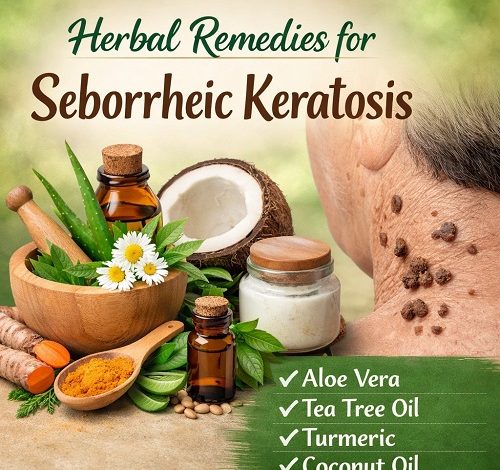
Seborrheic keratosis is one of the most common non-cancerous skin growths, especially among adults over 40. Although medically harmless, these rough, wart-like or waxy lesions often cause concern due to their appearance, itching, irritation, or resemblance to more serious skin conditions. While conventional dermatological treatments such as cryotherapy, laser removal, or curettage are effective, many individuals prefer gentler, plant-based approaches that support skin health naturally.
This growing interest has led many people to explore Herbal Remedies for Seborrheic Keratosis as a safer, more holistic alternative. Herbal medicine has been used for centuries to support skin regeneration, reduce inflammation, and promote healthy cellular turnover. When used correctly, these remedies may help improve skin texture, reduce irritation, and support the body’s natural healing processes.
The best herbal and natural options, how they work, how to use them safely, and what results you can realistically expect. Whether you are seeking Natural Remedies for Seborrheic Keratosis or a supportive Natural Treatment for Seborrheic Keratosis, this article provides a complete, evidence-informed overview.
What Is Seborrheic Keratosis?
Seborrheic keratosis (SK) is a benign skin growth that typically appears as a brown, black, or tan lesion with a “stuck-on” appearance. These growths commonly occur on the face, chest, back, shoulders, or scalp and may appear singly or in clusters.
Key Characteristics
- Non-cancerous and not contagious
- Waxy, scaly, or slightly raised texture
- May be flat or thickened
- Can itch or become irritated by clothing or friction
- Often increases in number with age
Although seborrheic keratoses do not require medical treatment, many people seek solutions due to cosmetic concerns or discomfort.
Why Consider Herbal Remedies for Seborrheic Keratosis?
Conventional procedures are effective but can be costly, invasive, or uncomfortable. Herbal approaches appeal to those who want:
- Non-invasive skin care
- Fewer side effects
- Long-term skin nourishment
- Affordable, at-home solutions
- Holistic skin health support
Herbal Remedies for Seborrheic Keratosis focus on reducing inflammation, encouraging healthy skin turnover, and improving overall skin balance rather than forcibly removing lesions.
How Herbal and Natural Treatments Work
Herbal therapies support the skin through several mechanisms:
- Anti-inflammatory action – soothes irritation and redness
- Antioxidant protection – protects skin cells from oxidative stress
- Antimicrobial effects – prevents secondary infections
- Cellular renewal support – encourages normal keratinocyte behavior
- Moisturization and barrier repair – improves skin texture
These benefits make Natural Treatment for Seborrheic Keratosis particularly attractive for sensitive or aging skin.
Top Herbal Remedies for Seborrheic Keratosis
1. Aloe Vera
Aloe vera is widely recognized for its soothing, healing, and anti-inflammatory properties.
Benefits
- Calms irritated skin
- Promotes skin regeneration
- Improves moisture balance
How to Use
Apply fresh aloe vera gel directly to the affected area 1–2 times daily.
2. Tea Tree Oil
Tea tree oil contains powerful antimicrobial and anti-inflammatory compounds.
Benefits
- Helps reduce surface irritation
- May assist in normalizing skin cell turnover
How to Use
Dilute with a carrier oil (such as coconut or olive oil) and apply once daily. Avoid using undiluted oil.
3. Apple Cider Vinegar (Plant-Based Fermented Remedy)
Though not a herb, apple cider vinegar is often included in natural skin protocols.
Benefits
- Mild exfoliating effect
- Supports removal of dead skin cells
How to Use
Apply diluted vinegar using a cotton pad for a few minutes, then rinse. Use cautiously to avoid irritation.
4. Castor Oil
Castor oil is rich in ricinoleic acid, known for its skin-nourishing properties.
Benefits
- Softens thickened skin
- Improves hydration and elasticity
How to Use
Massage a small amount onto the lesion nightly.
5. Turmeric (Curcuma longa)
Turmeric has been used in traditional medicine for centuries for skin disorders.
Benefits
- Strong anti-inflammatory effects
- Antioxidant support
How to Use
Mix turmeric powder with honey or coconut oil to form a paste and apply for 15–20 minutes.
6. Witch Hazel
A natural astringent derived from the witch hazel plant.
Benefits
- Reduces itching and irritation
- Tightens skin gently
How to Use
Apply alcohol-free witch hazel extract with a cotton pad once daily.
7. Green Tea Extract
Green tea contains polyphenols that support skin health.
Benefits
- Antioxidant protection
- Helps reduce oxidative stress in skin cells
How to Use
Apply cooled green tea as a compress or use creams containing green tea extract.
8. Frankincense Oil
Used traditionally for skin rejuvenation.
Benefits
- Supports skin tone and texture
- May help calm abnormal skin growth behavior
How to Use
Dilute with carrier oil and apply sparingly.
Dietary Herbs That Support Skin Health
Herbal remedies work best when paired with internal skin support.
Helpful Herbs
- Burdock root – supports detoxification
- Milk thistle – supports liver health and skin clarity
- Dandelion root – promotes natural cleansing
Healthy liver function plays an important role in skin health, making these herbs valuable additions to a Natural Treatment for Seborrheic Keratosis.
Lifestyle and Skin Care Tips to Enhance Results
- Avoid excessive sun exposure
- Use gentle, fragrance-free skincare products
- Keep skin moisturized
- Avoid scratching or picking lesions
- Maintain balanced blood sugar levels
- Eat antioxidant-rich foods
Combining these habits with Natural Remedies for Seborrheic Keratosis improves overall outcomes.
What Results Can You Expect?
It’s important to maintain realistic expectations.
Herbal remedies may:
- Improve skin texture
- Reduce irritation or itching
- Support healthy skin appearance
They may not:
- Completely remove large or thick lesions
- Work instantly
Visible improvement typically takes weeks to months with consistent use.
Safety Considerations
- Always perform a patch test before using new remedies
- Avoid applying herbs to broken or bleeding skin
- Discontinue use if irritation occurs
- Consult a dermatologist if growths change in size, color, or shape
Herbal remedies are supportive, not diagnostic or curative.
When to Seek Medical Advice
Seek professional evaluation if:
- Lesions bleed or rapidly grow
- Color becomes uneven or very dark
- Pain or severe itching develops
- Diagnosis is uncertain
Seborrheic keratosis can resemble melanoma, so confirmation is essential.
Herbal Remedies vs. Medical Treatments
| Aspect | Herbal Remedies | Medical Procedures |
| Invasiveness | Non-invasive | Invasive |
| Cost | Low | Moderate to High |
| Side Effects | Minimal | Possible scarring |
| Speed | Gradual | Immediate |
| Skin Support | Holistic | Targeted removal |
Many people combine both approaches for best results.
Frequently Asked Questions
Can seborrheic keratosis go away naturally?
It rarely disappears on its own, but natural care can improve appearance and comfort.
Are herbal remedies safe for long-term use?
Most are safe when used correctly, but moderation and patch testing are essential.
Can herbs completely remove seborrheic keratosis?
Herbs may soften and improve lesions, but complete removal often requires medical procedures.
Final Thoughts
Seborrheic keratosis is a common, benign skin condition that can affect confidence and comfort. While medical treatments remain the fastest solution for removal, Herbal Remedies for Seborrheic Keratosis offer a gentle, accessible, and holistic approach to skin care.
By combining Natural Remedies for Seborrheic Keratosis with supportive lifestyle habits and patience, many individuals experience healthier-looking skin and reduced irritation. These methods work best as part of a comprehensive Natural Treatment for Seborrheic Keratosis, emphasizing long-term skin health rather than instant results.
As with all skin conditions, informed choices and professional guidance ensure the safest and most effective outcomes.