Best Herbal Remedies for Pneumonia to Boost Respiratory Health Naturally

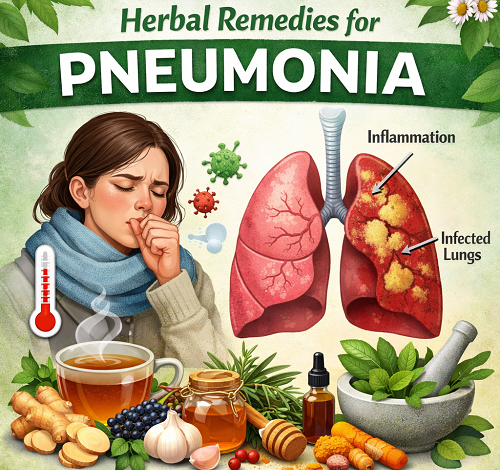
Pneumonia is a serious respiratory condition that affects millions of people around the world every year. It occurs when the air sacs in the lungs become inflamed due to bacterial, viral, or fungal infections. This inflammation can cause symptoms such as cough, fever, chest pain, fatigue, and difficulty breathing. While medical treatment is essential in many cases, many people also explore Herbal Remedies for Pneumonia to support recovery, strengthen the immune system, and promote better respiratory health.
Natural approaches have been used for centuries in traditional medicine systems such as Ayurveda, Traditional Chinese Medicine, and herbal folk medicine. These methods focus on reducing inflammation, fighting infection, and helping the lungs heal naturally. The best Herbal Remedies for Pneumonia, how they work, and how they can support respiratory wellness.
Understanding Pneumonia and Its Impact on the Lungs
Pneumonia occurs when pathogens enter the lungs and trigger inflammation in the air sacs (alveoli). These sacs may fill with fluid or pus, making it harder for oxygen to reach the bloodstream. The condition can range from mild to life-threatening, especially in young children, older adults, and people with weakened immune systems.
Common causes of pneumonia include:
- Bacterial infections
- Viral infections such as influenza
- Fungal infections
- Complications from respiratory illnesses
- Weakened immunity
Symptoms may include:
- Persistent cough with mucus
- Fever and chills
- Shortness of breath
- Chest pain while breathing
- Fatigue and weakness
While antibiotics or antiviral medications may be necessary depending on the cause, natural support strategies and Herbal Remedies can play a complementary role in recovery.
Why Consider Herbal Remedies for Pneumonia?
Many herbs contain natural compounds with antibacterial, antiviral, anti-inflammatory, and immune-boosting properties. These benefits may help:
- Support the body’s immune defense
- Reduce lung inflammation
- Ease coughing and congestion
- Promote mucus clearance
- Improve breathing comfort
- Speed up recovery
Using Herbal Remedies for Pneumonia does not replace medical care, but they may help the body heal more efficiently and improve overall respiratory health.
Top Herbal Remedies for Pneumonia
Ginger
Ginger has been widely used in traditional medicine for respiratory conditions. It contains powerful compounds such as gingerol and shogaol, which have anti-inflammatory and antimicrobial properties.
Benefits
- Helps reduce inflammation in the lungs
- Supports immune system function
- May help fight respiratory infections
- Helps soothe throat irritation
How to Use
- Ginger tea with honey
- Fresh ginger added to soups
- Ginger herbal decoction
Drinking warm ginger tea several times a day may help loosen mucus and make breathing easier.
Turmeric
Turmeric is known for its active compound curcumin, which has strong anti-inflammatory and antioxidant effects. It is commonly used in herbal healing systems to support lung health.
Benefits
- Helps reduce inflammation in respiratory tissues
- Supports immune defense
- May assist the body in fighting infections
- Promotes faster recovery
How to Use
- Turmeric milk (golden milk)
- Turmeric tea
- Added to soups or herbal tonics
Combining turmeric with black pepper may improve absorption and effectiveness.
Garlic
Garlic is often considered a natural antibiotic due to its powerful antimicrobial compounds such as allicin. It has been traditionally used to treat respiratory infections.
Benefits
- Natural antibacterial and antiviral properties
- Helps support immune function
- May help fight respiratory infections
- Reduces inflammation
How to Use
- Raw crushed garlic with honey
- Garlic tea
- Garlic added to meals
Regular use of garlic may help the body combat infection more effectively.
Thyme
Thyme has long been used for respiratory problems including cough, bronchitis, and infections affecting the lungs.
Benefits
- Acts as a natural expectorant
- Helps clear mucus from the lungs
- Contains antimicrobial compounds
- Supports breathing comfort
How to Use
- Thyme tea
- Steam inhalation with thyme
- Herbal syrups containing thyme
Thyme may help loosen phlegm and support better airflow.
Licorice Root
Licorice root is commonly used in herbal medicine to soothe irritated respiratory tissues.
Benefits
- Helps reduce throat irritation
- Supports lung health
- May reduce inflammation
- Helps ease coughing
How to Use
- Licorice herbal tea
- Herbal respiratory formulas
- Powder mixed with warm water
Licorice root may provide soothing relief for people experiencing persistent cough due to pneumonia.
Eucalyptus
Eucalyptus is widely known for its ability to support respiratory health. The natural compound eucalyptol helps open airways and reduce congestion.
Benefits
- Helps clear nasal and chest congestion
- Supports easier breathing
- Contains antimicrobial properties
- May reduce cough
How to Use
- Steam inhalation
- Diffuser with eucalyptus oil
- Chest rub blends
Steam inhalation with eucalyptus may provide fast relief for congestion.
Peppermint
Peppermint contains menthol, which has a soothing effect on the respiratory tract.
Benefits
- Helps relax airway muscles
- Supports easier breathing
- Reduces throat irritation
- Provides cooling relief
How to Use
- Peppermint tea
- Steam inhalation
- Herbal respiratory blends
Peppermint may help relieve chest tightness associated with respiratory infections.
Additional Natural Support Strategies
While Herbal Remedies for Pneumonia can help support recovery, combining them with healthy habits can further improve results.
Stay Hydrated
Drinking warm fluids such as herbal teas, broths, and warm water helps thin mucus and keeps the respiratory system functioning properly.
Get Plenty of Rest
Rest allows the body to focus energy on fighting infection and healing lung tissue.
Use Steam Therapy
Steam inhalation helps loosen mucus and soothe irritated airways.
Eat Nutrient-Rich Foods
Foods rich in vitamins and antioxidants support immune health, including:
- Citrus fruits
- Leafy greens
- Garlic
- Ginger
- Berries
Maintain Indoor Air Quality
Using humidifiers or keeping indoor air moist may help reduce irritation in the lungs.
Lifestyle Habits to Strengthen Lung Health
Supporting lung function is essential not only during pneumonia recovery but also for preventing future infections.
Practice Deep Breathing
Breathing exercises can help expand lung capacity and improve oxygen flow.
Avoid Smoking and Pollutants
Smoke and environmental toxins can worsen lung inflammation and slow healing.
Support Immunity
A strong immune system helps the body resist respiratory infections more effectively.
Helpful habits include:
- Regular sleep
- Balanced nutrition
- Stress management
- Moderate physical activity
When to Seek Medical Care
Although Herbal Remedies for Pneumonia can be supportive, pneumonia can become dangerous if left untreated. It is important to seek medical attention if symptoms worsen or if someone experiences:
- Severe breathing difficulty
- Persistent high fever
- Chest pain
- Confusion or dizziness
- Bluish lips or fingertips
Medical treatment may include antibiotics, antiviral medications, oxygen therapy, or hospitalization depending on severity.
Natural remedies should always be used as supportive care rather than a replacement for professional treatment.
Safety Considerations When Using Herbal Remedies
Herbal treatments can be helpful, but they should be used responsibly.
Important precautions include:
- Consult a healthcare professional before using herbs
- Avoid combining herbs with medications without guidance
- Use recommended doses
- Avoid herbs during pregnancy unless approved by a doctor
- Choose high-quality herbal products
People with chronic conditions should be especially cautious when using herbal supplements.
The Future of Herbal Remedies for Respiratory Health
Interest in plant-based medicine is growing worldwide as researchers continue to explore the medicinal properties of herbs. Many modern medications have roots in traditional herbal practices, and ongoing studies are examining how natural compounds may support lung health and immune function.
Herbal medicine does not replace modern healthcare but may complement it. When used responsibly, Herbal Remedies for Pneumonia can provide additional support for healing and respiratory wellness.
Conclusion
Pneumonia can be a serious illness that affects breathing and overall health, but natural approaches may support recovery alongside medical care. Time-tested Herbal Remedies for Pneumonia such as ginger, turmeric, garlic, thyme, licorice root, eucalyptus, and peppermint offer properties that may help reduce inflammation, fight infection, and promote clearer breathing.
Combining herbal support with healthy lifestyle habits, proper rest, hydration, and medical guidance can make a meaningful difference in recovery and long-term respiratory health.
As interest in natural healing continues to grow, herbal remedies remain an important part of traditional wellness practices. With the right approach, these natural solutions may help support stronger lungs, improved immunity, and better overall well-being.