

Whey Protein for Muscle Growth: What Really Matters When Choosing a Supplement
Building Muscle Starts with More Than Just Hard Training
Spend enough time in any gym and you’ll hear countless opinions about the “best” supplement for building muscle. While pre-workouts, creatine, and amino acid formulas often dominate conversations, one nutritional factor consistently stands out in sports nutrition research: meeting your daily protein requirements.
Resistance training creates microscopic stress within muscle fibers. During recovery, the body repairs this tissue by using amino acids – the building blocks of protein – to help muscles adapt and become stronger over time. This process, known as muscle protein synthesis (MPS), is one of the primary reasons adequate protein intake is considered essential for anyone pursuing strength, muscle growth, or improved athletic performance.
For many active individuals, whole foods such as eggs, dairy products, fish, lean meats, legumes, and soy provide the foundation of a high-protein diet. However, preparing multiple protein-rich meals every day isn’t always practical. That’s where whey protein can become a convenient option – not as a replacement for nutritious meals, but as a simple way to help meet daily protein needs.
Rather than asking, “Which brand is the best?” a more useful question is:
What should you look for in a quality whey protein supplement?
Understanding that answer can help you choose a product that aligns with your fitness goals instead of relying on marketing claims alone.
Why Protein Plays Such an Important Role in Muscle Growth
Training stimulates muscles, but nutrition supports recovery and adaptation.
Every resistance workout places stress on muscle tissue. Your body responds by repairing and rebuilding those muscle fibers, a process that depends on several factors working together:
- Adequate daily protein intake
- Progressive resistance training
- Sufficient calorie intake
- Quality sleep
- Consistent recovery habits
Without enough dietary protein, your body has fewer amino acids available to support muscle repair. Over time, this may make it more difficult to recover effectively from training or maintain lean muscle while exercising regularly.
Protein also contributes to many other important functions beyond muscle building, including:
- Supporting normal tissue maintenance
- Producing enzymes and hormones
- Supporting immune function
- Helping maintain healthy bones and connective tissues
- Contributing to satiety, which may help individuals following structured nutrition plans
While protein is important, it should always be viewed as one part of a balanced diet rather than a shortcut to fitness results.
What Makes Whey Protein Different?
Whey protein is a high-quality dairy-derived protein naturally produced during the cheese-making process. It contains all nine essential amino acids, making it a complete protein.
Unlike some plant-based protein sources that may require combining different foods to achieve a complete amino acid profile, whey naturally provides the essential amino acids required by the body through the diet.
Another reason whey protein is widely used in sports nutrition is its digestibility. Compared with many whole-food protein sources, whey is rapidly digested and absorbed, making it a practical option after training or whenever it’s difficult to prepare a balanced meal.
Whey protein naturally contains branched-chain amino acids (BCAAs), including leucine, isoleucine, and valine. Among these, leucine plays a key role in stimulating muscle protein synthesis following resistance exercise.
It’s important to note that whey protein is still a food-derived nutritional supplement – not a medication or anabolic substance. Its purpose is simply to help individuals increase protein intake when dietary intake alone may not be sufficient.
Whey Protein Concentrate vs. Whey Protein Isolate
One of the most common questions among first-time buyers is whether whey concentrate or whey isolate is the better option.
The answer depends on individual goals rather than one product being universally superior.
Whey Protein Concentrate (WPC)
Whey protein concentrate generally contains a high percentage of protein while retaining small amounts of naturally occurring carbohydrates and fats. Because it undergoes less processing than isolate, many people choose it as an everyday protein supplement.
It is commonly used by:
- Beginners starting resistance training
- Recreational gym-goers
- Individuals looking to increase daily protein intake
- People seeking a balance between nutrition, taste, and value
Whey Protein Isolate (WPI)
Whey protein isolate undergoes additional filtration to increase protein concentration while reducing lactose, carbohydrates, and fat.
It may be preferred by:
- Competitive athletes
- Individuals following stricter calorie-controlled diets
- Those looking for lower lactose content
- Experienced lifters managing precise macronutrient intake
Neither form automatically produces better results.
Consistent training, total daily protein intake, overall nutrition, and recovery habits remain far more important than choosing concentrate over isolate.
How Much Protein Do You Actually Need?
One of the biggest misconceptions in fitness is that more protein always leads to more muscle.
In reality, protein requirements vary based on body weight, activity level, age, and training goals.
Individuals who regularly perform resistance training typically require more protein than sedentary adults to support recovery and adaptation.
Instead of focusing on consuming excessive amounts in one sitting, many sports nutrition professionals recommend distributing protein intake evenly across meals throughout the day.
For example, someone who trains several times each week may benefit from including a quality protein source at breakfast, lunch, dinner, and after exercise if needed.
This approach helps make daily protein intake more manageable while supporting consistent nutrition habits.
When Can Whey Protein Be Useful?
Although whole foods should remain the foundation of a balanced diet, whey protein can be a practical solution in situations where preparing protein-rich meals isn’t convenient.
Many people choose to include whey protein when:
- They have just completed a workout and need a quick protein source.
- Their daily schedule makes meal preparation difficult.
- They struggle to meet protein goals through food alone.
- They want a portable option for work, travel, or university.
- They are increasing protein intake as part of a structured strength-training program.
Rather than replacing balanced meals, whey protein works best as a supplement to an already nutritious eating pattern.
How to Choose a Quality Whey Protein
Not all protein powders are formulated the same way. Instead of selecting a product based solely on advertising or flavour options, consider evaluating a few practical factors before purchasing.
Check the Protein Content
Look at the amount of protein provided in each serving rather than focusing only on the size of the container.
Review the Ingredient List
Shorter, transparent ingredient lists are generally easier to understand. Pay attention to the protein source, flavouring ingredients, and any added components.
Consider Your Dietary Needs
If you have lactose sensitivity, dietary restrictions, or specific calorie goals, compare products based on their nutritional information rather than assuming every whey protein is identical.
Evaluate Brand Transparency
Reputable manufacturers typically provide detailed nutritional information, serving recommendations, ingredient disclosures, and product specifications so consumers can make informed choices.
(Part 2 will continue with: choosing the right product, contextual editorial mention of Muscle Reign with a natural backlink, timing, myths, FAQs, conclusion, and SEO metadata.)
Choosing the Right Whey Protein for Your Goals
Once you’ve decided that a whey protein supplement fits your nutritional needs, the next step is selecting a product that matches your training goals and lifestyle.
Instead of focusing solely on marketing claims such as “premium,” “advanced,” or “ultimate,” compare products using objective criteria.
Ask yourself:
- How much protein does each serving provide?
- What is the primary protein source?
- Does the nutrition label clearly list all ingredients?
- Is the serving size appropriate for your daily protein goals?
- Does the product fit comfortably into your overall nutrition plan?
For most recreational lifters and fitness enthusiasts, consistency matters far more than finding a “perfect” supplement. A protein powder that you enjoy drinking regularly and that complements a balanced diet is often more valuable than switching between products based on trends.
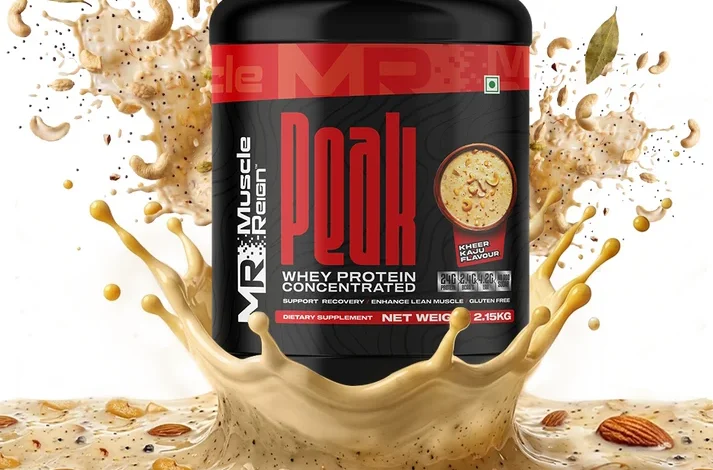
If you’re comparing different whey protein supplements, reviewing the ingredient list, nutritional values, and serving information can help you make a more informed decision. For example, readers evaluating available options can review the nutritional profile and ingredient details of Peak Whey Protein Concentrated by Muscle Reign before deciding whether it aligns with their dietary preferences and fitness goals.
When Is the Best Time to Take Whey Protein?
Contrary to popular belief, there isn’t a single “magic window” for consuming protein.
While many people choose to drink whey protein after training because it is convenient and easy to digest, overall daily protein intake remains the most important factor.
Common times people include whey protein are:
After Exercise
A convenient option for increasing protein intake following resistance training.
At Breakfast
Helpful for individuals whose morning meals are typically low in protein.
Between Meals
Can contribute to daily protein intake when whole-food meals are several hours apart.
During Busy Days
Professionals, students, and frequent travellers often use whey protein when preparing balanced meals isn’t practical.
The ideal timing ultimately depends on your schedule and whether you’re consistently meeting your overall protein requirements.
Common Mistakes People Make with Whey Protein
Many first-time users expect whey protein to deliver dramatic results on its own. In reality, supplements work best when they support an already well-structured nutrition and training plan.
Some common mistakes include:
Expecting Instant Muscle Growth
Building muscle requires weeks and months of progressive training, adequate nutrition, and recovery. Protein supports this process but does not replace consistent effort.
Ignoring Overall Diet
A protein shake cannot compensate for inadequate calorie intake, poor food choices, or inconsistent eating habits.
Neglecting Recovery
Sleep, hydration, stress management, and recovery all contribute to long-term progress.
Buying Based Only on Marketing
Rather than selecting a product because of bold claims or influencer endorsements, compare labels, ingredient transparency, protein content, and your own nutritional requirements.
Whey Protein Myths – Separated from Facts
Myth: Whey Protein Is Only for Bodybuilders
Fact: Anyone who struggles to meet daily protein needs – including recreational exercisers, runners, cyclists, and physically active individuals – may choose whey protein as a convenient dietary supplement.
Myth: Whey Protein Is a Steroid
Fact: Whey protein is a dairy-derived nutritional supplement produced during cheese manufacturing. It contains naturally occurring protein and is not related to anabolic steroids.
Myth: More Protein Always Means Faster Muscle Growth
Fact: Muscle development depends on progressive resistance training, adequate calories, recovery, sleep, genetics, and overall dietary quality – not protein intake alone.
Myth: Protein Supplements Replace Healthy Meals
Fact: Whole foods should remain the foundation of a balanced diet. Whey protein is intended to supplement dietary protein intake, not replace nutritious meals.
Practical Tips to Maximize Your Results
Whether you’re new to strength training or have years of experience, a few simple habits can make a noticeable difference over time.
- Follow a structured resistance training programme.
- Include a source of protein with each main meal.
- Stay hydrated throughout the day.
- Prioritise seven to nine hours of quality sleep whenever possible.
- Progressively increase training intensity as appropriate.
- Maintain consistency rather than looking for quick fixes.
Small, sustainable improvements often produce better long-term results than constantly changing workouts or supplements.
Frequently Asked Questions
Is whey protein suitable for beginners?
Yes. Whey protein can be a convenient option for beginners who find it difficult to consume enough protein through food alone. It should be used alongside a balanced diet and regular exercise.
Can women use whey protein?
Absolutely. Protein requirements are based on factors such as activity level, body weight, and fitness goals rather than gender.
Can whey protein replace meals?
No. Whey protein is designed to supplement dietary protein intake and should not replace balanced meals that provide carbohydrates, healthy fats, fibre, vitamins, and minerals.
How long does it take to notice results?
Progress varies from person to person. Factors such as training consistency, nutrition, recovery, sleep, genetics, and individual goals all influence outcomes.
Is whey protein safe?
For most healthy adults, whey protein can be included as part of a balanced diet. Individuals with kidney disease, dairy allergies, or specific medical conditions should consult a qualified healthcare professional before making significant dietary changes.
Final Thoughts
There is no single supplement that guarantees muscle growth. Lasting progress comes from combining progressive resistance training, balanced nutrition, adequate recovery, and consistency over time.
Whey protein has earned its place in sports nutrition because it offers a practical, high-quality source of complete protein that can help individuals meet their daily protein requirements when whole-food intake falls short.
If you’re evaluating whey protein supplements, focus on transparent ingredient lists, nutritional composition, serving size, and how the product fits into your overall nutrition strategy rather than relying on marketing claims alone.
Readers who wish to compare one example of a whey protein concentrate can review the formulation and nutritional information available for Peak Whey Protein Concentrated by Muscle Reign before deciding whether it meets their individual requirements.
SEO Metadata
SEO Title (60 characters)
Whey Protein for Muscle Growth: A Practical Buying Guide
Meta Description (155 characters)
Learn how whey protein supports muscle recovery, protein intake, and strength training. Discover how to choose the right whey protein supplement.
Primary Keyword
Whey Protein for Muscle Growth
Secondary Keywords
- Whey Protein Concentrate
- Whey Protein Benefits
- Whey Protein for Recovery
- Protein Powder for Gym
- Muscle Protein Synthesis
- Complete Protein
- Post-Workout Protein
- Whey Protein India
- Sports Nutrition
- Muscle Reign Whey Protein
Suggested Internal Links
- Creatine Monohydrate Guide
- BCAA vs EAA Explained
- Pre-Workout Supplements Guide
- Daily Protein Intake Calculator
- Whey Isolate vs Whey Concentrate
Suggested External References
For stronger E-E-A-T, cite guidance from:
- International Society of Sports Nutrition (ISSN)
- American College of Sports Medicine (ACSM)
- National Institutes of Health (NIH)
- British Journal of Sports Medicine