

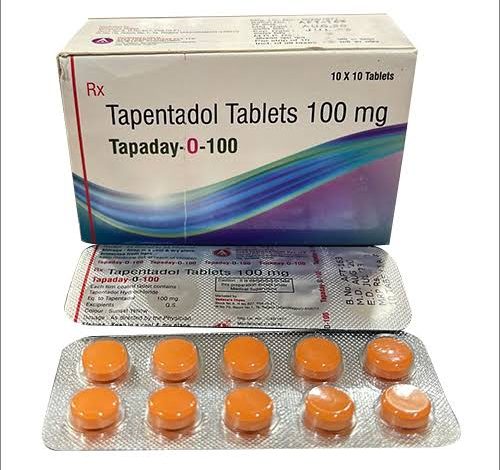
In today’s constantly moving world, managing physical discomfort has become an essential part of maintaining balance and productivity. Even mild pain can gradually affect concentration, mood, and overall efficiency when left unaddressed. Whether it arises from injury, medical procedures, or chronic health issues, individuals often seek reliable ways to regain comfort and continue their daily activities. In many treatment discussions, tapentadol is recognized as a prescription medication used for moderate to severe pain under proper medical supervision. Learning how such treatments fit into a broader healthcare strategy can help individuals make more informed and confident decisions.
How Technology Is Reshaping Healthcare Access
The evolution of digital technology has transformed how people connect with healthcare providers. Traditional systems that required scheduling appointments and waiting for consultations are now complemented by faster, more flexible options. Through platforms like MDLIVE and Doctor On Demand, individuals can consult licensed professionals from the comfort of their homes. These services provide timely access to medical advice, allowing users to discuss symptoms, receive recommendations, and plan their next steps without unnecessary delays.
The Role of Prescription Treatments in Pain Relief
Pain management often involves a range of approaches, depending on the severity and nature of the condition. While over-the-counter solutions may work for mild discomfort, more persistent or intense pain may require prescription-based treatments. Tapentadol functions by influencing how the nervous system processes pain signals, offering relief in cases where stronger intervention is necessary. However, its use should always be guided by a qualified healthcare provider who can determine the correct dosage and monitor progress over time.
Why Professional Guidance Is Essential
Medications that affect the central nervous system require careful handling and expert oversight. Without proper guidance, there is a risk of incorrect usage, potential side effects, or reduced effectiveness. Healthcare professionals evaluate individual health conditions, consider medical history, and identify possible interactions with other treatments before recommending any medication. This ensures that the chosen approach is both safe and tailored to the patient’s needs.
Balancing Convenience With Safety in Modern Care
While digital healthcare solutions have made access easier, it is important to balance convenience with responsibility. Not all sources provide accurate or reliable information, which makes it essential to choose verified and trusted platforms. Reliable services maintain high standards of care, protect patient privacy, and ensure that medical advice is delivered by qualified professionals. This balance helps individuals benefit from convenience without compromising their health.
Enhancing Pain Relief Through Lifestyle Support
Effective pain management is rarely limited to medication alone. Many individuals achieve better outcomes by incorporating supportive lifestyle practices into their daily routines. Activities such as guided physical therapy, light exercise, and proper posture can help reduce strain and improve mobility. Nutrition also plays a role in recovery, while adequate sleep supports the body’s natural healing processes. Additionally, stress management techniques can help reduce the intensity of perceived pain, contributing to overall well-being.
The Importance of Reliable Health Information
With the vast amount of health-related content available online, distinguishing between accurate information and misleading claims can be challenging. Relying on trusted sources is essential for making informed decisions. Verified platforms and professional consultations provide clarity, helping individuals understand their options and avoid unnecessary risks. Accurate information empowers individuals to take control of their health in a safe and effective way.
Creating a Long-Term Plan for Pain Management
Short-term relief is important, but sustainable results require a long-term strategy. This involves regular follow-ups, monitoring progress, and adjusting treatments as needed. A consistent approach allows individuals to manage their condition more effectively while minimizing potential complications. By working closely with healthcare providers, patients can develop a plan that evolves with their needs and supports ongoing improvement.
Empowering Better Decisions Through Awareness
Awareness is a powerful tool in healthcare. Understanding the benefits, limitations, and potential risks of different treatments enables individuals to make better choices. It also encourages proactive behavior, such as seeking timely medical advice and exploring alternative options when necessary. This level of awareness contributes to safer outcomes and improved overall health.
Managing pain in a fast-paced environment requires a thoughtful and balanced approach. While medications like tapentadol may be included in a treatment plan, they should always be used responsibly and under professional supervision. Combining medical guidance with supportive lifestyle practices and reliable healthcare resources creates a comprehensive strategy for achieving both immediate relief and long-term well-being. By prioritizing safety, awareness, and informed decision-making, individuals can navigate their pain management journey with confidence and care.