

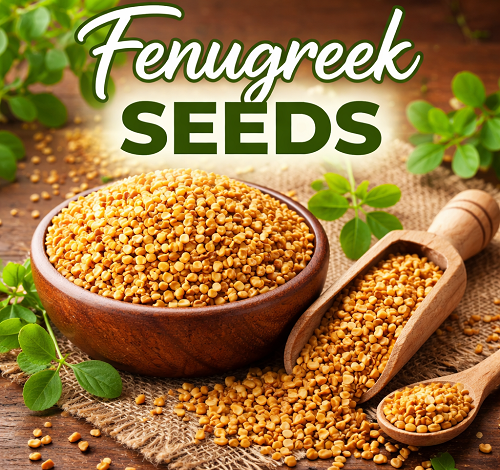
Fenugreek seeds have been used for centuries in traditional medicine and culinary practices across Asia, the Middle East, and Africa. Known for their slightly bitter taste and powerful medicinal properties, these small golden seeds pack a nutritional punch. Today, fenugreek is widely recognized for its potential health benefits, from improving digestion to supporting hormonal balance. The Uses of Fenugreek seeds their health benefits, possible side effects, and much more.
What Are Fenugreek Seeds?
Fenugreek seeds come from the Trigonella foenum-graecum plant, a herb commonly grown in India and Mediterranean regions. The seeds are small, hard, and yellowish-brown in color, with a distinct aroma often compared to maple syrup.
They are widely used in cooking, herbal remedies, and dietary supplements due to their rich nutritional profile and therapeutic properties.
Nutritional Value of Fenugreek Seeds
Fenugreek seeds are loaded with essential nutrients, including:
- Fiber
- Protein
- Iron
- Magnesium
- Manganese
- Vitamins (A, B6, C)
- Antioxidants
They also contain bioactive compounds such as saponins, flavonoids, and alkaloids, which contribute to their medicinal effects.
Uses of Fenugreek Seeds
The Uses of Fenugreek seeds are diverse, ranging from culinary to medicinal applications. Below are some of the most common uses:
1. Culinary Uses
Fenugreek seeds are widely used as a spice in many cuisines, especially in Indian cooking. They are often:
- Added to curries and dals
- Used in spice blends like garam masala
- Sprouted and added to salads
- Ground into powder for seasoning
Their slightly bitter flavor enhances the taste of various dishes.
2. Digestive Health Support
Fenugreek seeds are known to support digestion due to their high fiber content. They help:
- Relieve constipation
- Reduce bloating
- Improve gut health
Soaking fenugreek seeds overnight and consuming them in the morning is a popular home remedy for digestive issues.
3. Blood Sugar Control
One of the most researched Uses of Fenugreek seeds is their role in managing blood sugar levels. They may:
- Improve insulin sensitivity
- Slow down carbohydrate absorption
- Lower fasting blood glucose levels
This makes fenugreek particularly beneficial for people with type 2 diabetes.
4. Lactation Support
Fenugreek seeds are commonly used by breastfeeding mothers to increase milk production. They act as a natural galactagogue and may help enhance breast milk supply.
5. Hair and Skin Care
Fenugreek seeds are widely used in beauty treatments:
- Promote hair growth
- Reduce dandruff
- Strengthen hair follicles
- Improve skin hydration
They can be used as a paste or infused oil for topical application.
6. Weight Management
Fenugreek seeds may support weight loss by:
- Increasing satiety
- Reducing appetite
- Improving metabolism
Drinking fenugreek water is often recommended as part of weight management routines.
7. Hormonal Balance
Fenugreek contains compounds that may influence hormone levels, especially:
- Supporting testosterone levels in men
- Reducing symptoms of PMS and menopause in women
Benefits of Fenugreek Seeds
The Benefits of Fenugreek seeds extend beyond their traditional uses. Here are some scientifically supported health benefits:
1. Supports Heart Health
Fenugreek seeds may help improve heart health by:
- Lowering bad cholesterol (LDL)
- Increasing good cholesterol (HDL)
- Reducing triglycerides
This can lower the risk of cardiovascular diseases.
2. Anti-Inflammatory Properties
Fenugreek contains antioxidants that help reduce inflammation in the body, which may benefit conditions like arthritis and chronic pain.
3. Improves Sexual Health
Fenugreek is often used as a natural supplement to:
- Boost libido
- Improve stamina
- Support reproductive health
4. Enhances Skin Health
Regular use of fenugreek may:
- Reduce acne
- Improve complexion
- Fight signs of aging
5. Detoxification
Fenugreek seeds help flush out toxins from the body, promoting liver health and overall detoxification.
6. Supports Kidney Function
Due to their antioxidant properties, fenugreek seeds may help protect kidney function and reduce oxidative stress.
7. Boosts Immunity
The nutrients and antioxidants in fenugreek help strengthen the immune system, making the body more resistant to infections.
How to Use Fenugreek Seeds
Here are some simple ways to include fenugreek seeds in your daily routine:
1. Soaked Seeds
- Soak 1 teaspoon of fenugreek seeds overnight
- Consume on an empty stomach in the morning
2. Fenugreek Powder
- Grind seeds into powder
- Add to warm water or food
3. Fenugreek Tea
- Boil seeds in water
- Strain and drink as herbal tea
4. Sprouted Seeds
- Soak and sprout seeds
- Add to salads or meals
5. Topical Application
- Make a paste with water
- Apply to hair or skin
Recommended Dosage
While fenugreek is generally safe, moderation is key. Typical dosages include:
- 5–10 grams of seeds daily
- 1–2 teaspoons of powder
- 1 cup of fenugreek tea per day
Always consult a healthcare professional before starting any supplement, especially if you have medical conditions.
Side Effects of Fenugreek Seeds
Although fenugreek seeds offer many benefits, it’s important to be aware of the Side Effects of Fenugreek seeds.
1. Digestive Issues
Excess consumption may cause:
- Diarrhea
- Gas
- Bloating
2. Allergic Reactions
Some people may experience:
- Skin irritation
- Swelling
- Difficulty breathing (rare but serious)
3. Blood Sugar Drops
Fenugreek can lower blood sugar levels significantly, which may lead to hypoglycemia, especially if combined with diabetes medications.
4. Pregnancy Concerns
Fenugreek seeds are not recommended during pregnancy as they may:
- Stimulate uterine contractions
- Increase the risk of complications
5. Body Odor
Fenugreek consumption may cause a maple syrup-like smell in sweat and urine due to certain compounds.
6. Drug Interactions
Fenugreek may interact with:
- Blood thinners
- Diabetes medications
- Hormonal therapies
Who Should Avoid Fenugreek Seeds?
You should avoid or use fenugreek cautiously if you:
- Are pregnant
- Have allergies to legumes
- Take blood sugar-lowering medications
- Have hormone-sensitive conditions
Tips for Safe Use
To safely enjoy the Uses of Fenugreek seeds, follow these tips:
- Start with small doses
- Monitor your body’s response
- Avoid excessive consumption
- Consult a doctor if you have underlying conditions
Fenugreek Seeds in Traditional Medicine
Fenugreek has been used in traditional systems like Ayurveda and Traditional Chinese Medicine for centuries. It is valued for:
- Balancing digestive fire
- Supporting reproductive health
- Reducing inflammation
Its long history of use adds credibility to its modern-day applications.
Scientific Research on Fenugreek
Modern research supports many of the traditional Uses of Fenugreek seeds, especially in areas like:
- Blood sugar management
- Hormonal balance
- Cholesterol reduction
However, more large-scale studies are needed to fully confirm all its benefits.
Conclusion
Fenugreek seeds are a powerful natural remedy with a wide range of health benefits. From improving digestion and managing blood sugar to enhancing skin and hair health, the Uses of Fenugreek seeds are truly impressive.
The Benefits of Fenugreek seeds make them a valuable addition to your diet, but it’s equally important to be aware of the Side Effects of Fenugreek seeds and use them responsibly.
Incorporating fenugreek into your daily routine can be a simple yet effective way to boost your overall health—just remember that moderation and proper guidance are key.