
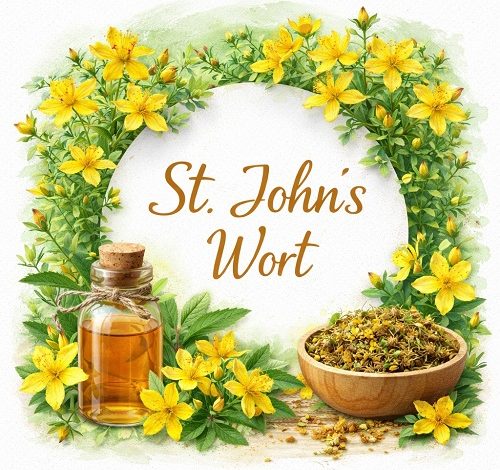
St. John’s Wort, scientifically known as Hypericum perforatum, is one of the most widely used herbal remedies in the world. Recognized for its bright yellow flowers and centuries-old medicinal use, this plant has gained global popularity as a natural treatment for various mental and physical health conditions. The Uses of St. John’s Wort, its powerful benefits, potential risks, and everything else you need to know before using it.
What Is St. John’s Wort?
St. John’s Wort is a flowering herb native to Europe but now grown in many parts of the world. Traditionally, it has been used in herbal medicine to treat mood disorders, wounds, and nerve-related issues.
The plant contains active compounds such as hypericin and hyperforin, which are believed to influence brain chemicals like serotonin, dopamine, and norepinephrine. These compounds are responsible for many of its therapeutic effects.
Uses of St. John’s Wort
The Uses of St. John’s Wort are diverse and well-documented in both traditional and modern herbal medicine. Below are the most common applications:
1. Depression and Mood Disorders
One of the primary uses of St. John’s Wort is for managing mild to moderate depression. It works similarly to some antidepressants by increasing serotonin levels in the brain.
Many people prefer it as a natural alternative due to fewer perceived side effects compared to pharmaceutical drugs.
2. Anxiety and Stress Relief
St. John’s Wort may help reduce symptoms of anxiety and stress. It has calming properties that support emotional balance and mental clarity.
3. Sleep Disorders
Due to its mood-stabilizing effects, it can also improve sleep quality, especially in individuals whose insomnia is linked to anxiety or depression.
4. Wound Healing
Traditionally, St. John’s Wort oil has been applied topically to treat cuts, burns, and bruises. It may help reduce inflammation and speed up healing.
5. Menopausal Symptoms
Some women use St. John’s Wort to relieve mood swings, irritability, and emotional symptoms associated with menopause.
6. Premenstrual Syndrome (PMS)
The herb may help ease PMS symptoms such as mood swings, fatigue, and irritability.
7. Nerve Pain
St. John’s Wort has been used for nerve-related pain conditions, including mild neuropathy and sciatica.
Benefits of St. John’s Wort
The Benefits of St. John’s Wort go beyond its primary uses. Let’s take a deeper look at what makes this herb so valuable:
1. Natural Antidepressant
St. John’s Wort is best known for its antidepressant effects. Studies suggest it may be as effective as some prescription medications for mild depression.
2. Improves Emotional Well-being
Regular use may promote a sense of well-being, reduce irritability, and enhance overall mood.
3. Anti-inflammatory Properties
The herb contains compounds that help reduce inflammation, making it useful for skin conditions and minor injuries.
4. Antiviral and Antibacterial Effects
Some research indicates that St. John’s Wort has antimicrobial properties, which can help fight infections.
5. Supports Nervous System Health
It may help regulate nerve signals and reduce nerve pain, making it beneficial for neurological conditions.
6. Skin Health Support
Topical applications can help soothe skin irritations, burns, and wounds.
7. Hormonal Balance
It may assist in stabilizing hormonal fluctuations, especially in women during PMS or menopause.
Side Effects of St. John’s Wort
While the herb offers many benefits, it is important to understand the Side Effects of St. John’s Wort before using it.
Common Side Effects
- Dry mouth
- Dizziness
- Gastrointestinal discomfort
- Fatigue
- Headache
Photosensitivity
One of the most notable side effects is increased sensitivity to sunlight. Users may experience skin irritation or sunburn more easily.
Allergic Reactions
Some individuals may develop allergic reactions, including itching or rash.
Drug Interactions: A Major Concern
St. John’s Wort is known for interacting with many medications, which can reduce their effectiveness or cause serious complications.
Medications It May Interact With:
- Antidepressants (risk of serotonin syndrome)
- Birth control pills (reduced effectiveness)
- Blood thinners
- Anti-seizure medications
- HIV medications
- Organ transplant drugs
Because of these interactions, it is crucial to consult a healthcare professional before using St. John’s Wort, especially if you are taking prescription medications.
How to Use St. John’s Wort
St. John’s Wort is available in several forms:
1. Capsules and Tablets
The most common and convenient form for daily supplementation.
2. Tea
Dried leaves and flowers can be brewed into herbal tea.
3. Liquid Extracts
Tinctures offer a concentrated dose and faster absorption.
4. Topical Oil
Used for skin conditions, wounds, and muscle pain.
Recommended Dosage
The appropriate dosage depends on the form and purpose of use. However, a common dosage for depression is:
- 300 mg, three times daily (standardized extract)
Always follow product instructions or consult a healthcare provider for personalized guidance.
Who Should Avoid St. John’s Wort?
St. John’s Wort is not suitable for everyone. Avoid using it if you are:
- Pregnant or breastfeeding
- Taking prescription medications
- Preparing for surgery
- Diagnosed with bipolar disorder
St. John’s Wort vs. Prescription Antidepressants
Many people compare St. John’s Wort to pharmaceutical antidepressants. While it may be effective for mild to moderate depression, it is not recommended for severe cases.
Advantages:
- Natural origin
- Fewer side effects (in some cases)
- Widely available
Disadvantages:
- Drug interactions
- Inconsistent potency across products
- Not suitable for severe depression
Scientific Evidence and Research
Numerous studies have examined the effectiveness of St. John’s Wort. Research generally supports its use for mild to moderate depression, though results vary depending on preparation and dosage.
European studies, in particular, have shown promising results, leading to widespread use in countries like Germany.
Tips for Safe Use
To maximize benefits and minimize risks:
- Consult a healthcare professional before use
- Avoid combining with other antidepressants
- Use sunscreen to prevent photosensitivity
- Choose high-quality, standardized products
- Start with a low dose and monitor your response
Final Thoughts
St. John’s Wort remains one of the most popular and researched herbal remedies available today. The Uses of St. John’s Wort range from improving mental health to supporting skin healing, making it a versatile natural option.
The Benefits of St. John’s Wort are impressive, especially for those seeking a natural approach to mood support. However, understanding the Side Effects of St. John’s Wort and potential drug interactions is essential for safe use.