
Liquorice root has been used for centuries in traditional medicine systems across the world. From soothing digestive troubles to supporting respiratory health, this humble root offers a wide range of natural healing properties. But many people still ask: What is Liquorice root? And how can it be used safely and effectively?
What is Liquorice Root?
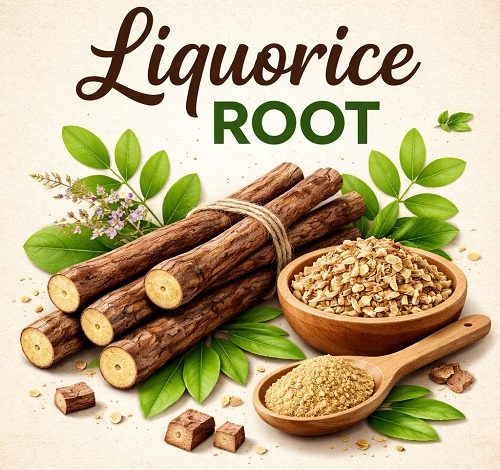
What is Liquorice root? Liquorice root comes from the plant Glycyrrhiza glabra, a perennial herb native to parts of Europe, Asia, and the Middle East. The root is known for its naturally sweet taste—much sweeter than sugar—thanks to a compound called glycyrrhizin.
For thousands of years, liquorice root has been used in traditional healing systems such as Ayurveda, Traditional Chinese Medicine, and ancient Greek medicine. It has been valued not only for its flavour but also for its therapeutic properties.
The root can be consumed in several forms, including:
- Dried root sticks
- Powder
- Herbal teas
- Liquid extracts
- Capsules or supplements
Nutritional and Active Compounds
Liquorice root contains a variety of beneficial compounds that contribute to its healing effects. These include:
- Glycyrrhizin – Known for anti-inflammatory and immune-supporting effects
- Flavonoids – Powerful antioxidants
- Saponins – Help soothe mucous membranes
- Coumarins – Support circulation
- Polysaccharides – Aid in immune function
These compounds work together to provide many of the Benefits of Liquorice root.
Benefits of Liquorice Root
Understanding the Benefits of Liquorice root can help you decide whether it is a suitable addition to your wellness routine. Below are some of its most notable advantages.
1. Supports Digestive Health
One of the most well-known uses of liquorice root is for digestive issues.
It may help:
- Soothe acid reflux and heartburn
- Reduce symptoms of indigestion
- Protect the stomach lining
- Support healing of gastric ulcers
Liquorice root works by increasing mucus production in the stomach, which acts as a protective barrier against acid.
2. Helps with Respiratory Conditions
Liquorice root has natural expectorant properties, making it beneficial for respiratory health.
It may:
- Loosen mucus in the lungs
- Ease coughing
- Soothe sore throats
- Support recovery from colds and flu
This is why liquorice root is commonly found in herbal cough syrups and throat lozenges.
3. Anti-Inflammatory Properties
Chronic inflammation is linked to many health conditions. Liquorice root contains compounds that help reduce inflammation throughout the body.
It may be useful for:
- Joint discomfort
- Skin irritation
- Inflammatory digestive conditions
4. Boosts Immune System
Liquorice root has antiviral and antimicrobial properties that help the body fight infections.
Research suggests it may:
- Support immune response
- Help combat certain viruses
- Protect against bacterial infections
This makes it a popular remedy during cold and flu season.
5. Supports Skin Health
Liquorice root is widely used in skincare due to its soothing and brightening effects.
It may help:
- Reduce hyperpigmentation
- Calm eczema and psoriasis
- Soothe irritated skin
- Improve overall complexion
Its natural compounds can help reduce redness and even out skin tone.
6. May Aid Hormonal Balance
Liquorice root has mild effects on hormone regulation, particularly in women.
It may:
- Support adrenal function
- Help balance cortisol levels
- Reduce symptoms of PMS and menopause
However, it should be used carefully and under guidance if taken for hormonal purposes.
7. Supports Liver Health
Liquorice root has been studied for its protective effects on the liver.
It may:
- Help detoxify the liver
- Reduce liver inflammation
- Support overall liver function
This makes it a valuable herb in traditional detox remedies.
8. May Help Manage Stress
Liquorice root is considered an adaptogenic herb, meaning it helps the body cope with stress.
It may:
- Support adrenal glands
- Improve energy levels
- Reduce fatigue
This is especially helpful for people experiencing chronic stress or burnout.
Traditional Uses of Liquorice Root
Liquorice root has a long history of use in traditional medicine systems:
Ayurveda
Used to balance Vata and Pitta doshas, improve digestion, and support respiratory health.
Traditional Chinese Medicine
Often used to harmonise herbal formulas and support the spleen and lungs.
Ancient Greek Medicine
Used for coughs, asthma, and digestive disorders.
How to Use Liquorice Root
There are several ways to incorporate liquorice root into your daily routine.
1. Herbal Tea
Steep 1–2 teaspoons of dried liquorice root in hot water for 5–10 minutes.
2. Powder
Can be added to smoothies or warm drinks.
3. Capsules
Convenient for consistent dosage.
4. Liquid Extract
Often used for faster absorption.
5. Topical Creams
Used for skin conditions and irritation.
Recommended Dosage
Dosage can vary depending on the form and purpose. However, general guidelines include:
- Tea: 1–2 cups daily
- Powder: 1–5 grams per day
- Extract: Follow product instructions
It is best to use liquorice root for short periods unless advised by a healthcare professional.
Potential Side Effects and Precautions
While the Benefits of Liquorice root are impressive, it is important to use it responsibly.
Possible Side Effects:
- High blood pressure
- Fluid retention
- Low potassium levels
- Headaches
Who Should Avoid It:
- Pregnant or breastfeeding women
- People with high blood pressure
- Individuals with kidney or heart conditions
Important Tip:
Look for deglycyrrhizinated liquorice (DGL) if you want the digestive benefits without the effects of glycyrrhizin.
Liquorice Root vs DGL: What’s the Difference?
- Liquorice Root (whole): Contains glycyrrhizin, offers full benefits but may affect blood pressure
- DGL (Deglycyrrhizinated Liquorice): Glycyrrhizin removed, safer for long-term use, especially for digestion
Scientific Research and Modern Uses
Modern science is beginning to support many traditional uses of liquorice root.
Studies suggest it may:
- Reduce inflammation
- Support gut health
- Exhibit antiviral activity
- Aid in skin conditions
However, more research is needed to fully understand its long-term effects and optimal dosage.
Tips for Safe Use
To maximise benefits and reduce risks:
- Use in moderation
- Avoid long-term high doses
- Choose high-quality, organic products
- Consult a healthcare provider if you have medical conditions
Conclusion
So, What is Liquorice root? It is far more than just a sweet-flavoured herb. It is a powerful natural remedy with a long history of use in traditional medicine.
From supporting digestion and respiratory health to enhancing skin and immune function, the Benefits of Liquorice root make it a valuable addition to natural wellness practices.
However, like any herbal remedy, it should be used with care and awareness. When used correctly, liquorice root can be a gentle yet effective way to support your overall health naturally.