Top Herbal Remedies for Ringworm to Soothe Itching and Support Skin Healing

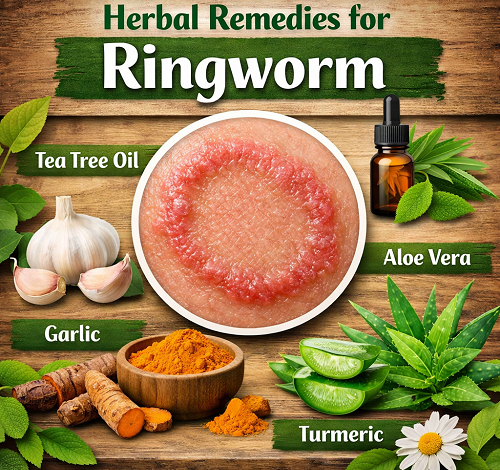
Ringworm is a common fungal skin infection that affects millions of people worldwide. Despite its name, ringworm is not caused by a worm but by a group of fungi known as dermatophytes. These fungi thrive on the outer layer of the skin and cause itchy, red, ring-shaped rashes that can spread if left untreated. Many individuals prefer gentle and plant-based treatments, which is why Herbal Remedies for Ringworm have become increasingly popular.
Herbal treatments may help soothe irritation, reduce fungal growth, and support natural skin healing. While severe infections may require medical treatment, many mild cases respond well to Natural Remedies for Ringworm using herbs with antifungal and anti-inflammatory properties.
Understanding Ringworm and Its Symptoms
Before exploring treatments, it’s important to understand how ringworm affects the skin.
Ringworm infections are caused by fungi that live on the skin, hair, and nails. These fungi spread easily through direct skin contact, contaminated objects, or infected animals. The infection can appear on various parts of the body, including the scalp, feet, groin, and nails.
Common Symptoms of Ringworm
Typical signs of ringworm include:
- Red, circular rash with raised edges
- Itchy, irritated skin
- Dry, scaly patches
- Cracked or peeling skin
- Hair loss in affected areas (especially on the scalp)
If untreated, the infection can spread to other parts of the body or to other people. Fortunately, several Herbal Remedies for Ringworm may help reduce symptoms and control fungal growth.
Why Choose Herbal Remedies for Ringworm?
Many herbs contain natural antifungal compounds that may help fight the fungi responsible for ringworm. These remedies can also soothe inflammation and promote skin repair.
Benefits of herbal treatments include:
- Natural antifungal properties
- Reduced skin irritation
- Support for natural healing
- Easy availability and affordability
- Minimal side effects when used properly
Because of these advantages, many people use Natural Remedies for Ringworm alongside conventional care to speed recovery and relieve itching.
10 Herbal Remedies for Ringworm
1. Tea Tree Oil
Tea tree oil is one of the most well-known herbal treatments for fungal infections.
Extracted from the leaves of the tea tree plant, this oil contains strong antifungal and antibacterial compounds. It may help kill the fungi responsible for ringworm while soothing inflammation and reducing itching.
How to Use
- Dilute tea tree oil with a carrier oil such as coconut oil.
- Apply a small amount to the affected area.
- Repeat twice daily.
Tea tree oil is considered one of the most powerful Herbal Remedies for Ringworm because it directly targets fungal growth.
2. Garlic
Garlic has long been used in traditional medicine due to its powerful antimicrobial properties. It contains allicin, a compound known for its strong antifungal effects.
Garlic may help reduce fungal growth and support the body’s natural healing process.
How to Use
- Crush fresh garlic cloves into a paste.
- Apply gently to the affected area.
- Leave for 10–15 minutes before rinsing.
Regular use may help reduce itching and promote healing, making garlic a valuable option among Natural Remedies for Ringworm.
3. Aloe Vera
Aloe vera is widely known for its soothing and skin-repairing properties. It contains natural anti-inflammatory compounds that can reduce redness and irritation caused by fungal infections.
While aloe vera may not directly kill fungi as strongly as some herbs, it can support skin healing and reduce discomfort.
Benefits of Aloe Vera
- Soothes itching and burning
- Promotes skin regeneration
- Reduces inflammation
- Moisturizes damaged skin
Applying fresh aloe vera gel to the affected area several times daily can help support recovery.
4. Turmeric
Turmeric is a powerful medicinal herb widely used in traditional medicine. It contains curcumin, a compound known for its antifungal, antibacterial, and anti-inflammatory properties.
Turmeric may help slow fungal growth and reduce inflammation around infected areas.
How to Use
- Mix turmeric powder with water or coconut oil to form a paste.
- Apply directly to the affected skin.
- Allow it to dry before rinsing.
Because of its healing properties, turmeric is one of the most effective Herbal Remedies for Ringworm used in natural skincare.
5. Neem
Neem has been used in traditional herbal medicine for centuries to treat skin infections. The leaves, oil, and extracts of neem contain strong antifungal compounds that may help fight dermatophyte fungi.
Benefits of Neem
- Natural antifungal activity
- Reduces inflammation
- Helps cleanse the skin
- Supports healing of infected areas
How to Use
- Apply neem oil to the affected area.
- Alternatively, wash the skin with neem leaf water.
Neem is considered one of the most powerful Natural Remedies for Ringworm in traditional medicine.
6. Coconut Oil
Coconut oil contains medium-chain fatty acids such as lauric acid, which may have antifungal properties. It also helps moisturize the skin and protect it from irritation.
Applying coconut oil regularly may help soothe itching and support skin recovery.
How to Use
- Apply a thin layer of coconut oil to the affected skin.
- Repeat two to three times daily.
This gentle remedy is suitable for sensitive skin and is often used alongside other Herbal Remedies for Ringworm.
7. Apple Cider Vinegar
Apple cider vinegar is widely used as a natural antifungal remedy. Its acidic nature may help create an environment that inhibits fungal growth.
How to Use
- Soak a cotton ball in diluted apple cider vinegar.
- Apply it to the affected area.
- Repeat several times daily.
Although it may cause mild tingling, many people find this remedy helpful for reducing fungal infections.
8. Oregano Oil
Oregano oil contains compounds such as thymol and carvacrol, which are known for their strong antifungal effects.
These compounds may help inhibit fungal growth and reduce the spread of infection.
How to Use
- Mix a few drops of oregano oil with a carrier oil.
- Apply to the infected area once or twice daily.
Oregano oil is a potent option among Natural Remedies for Ringworm, but it should always be diluted to avoid skin irritation.
9. Calendula
Calendula, also known as marigold, is a gentle herb widely used in natural skin treatments. It has soothing and healing properties that may help repair damaged skin.
Benefits of Calendula
- Reduces skin inflammation
- Promotes wound healing
- Supports skin regeneration
- Calms itching
Calendula creams or ointments can be applied to affected areas to help soothe ringworm symptoms.
10. Lemongrass
Lemongrass has natural antifungal and antibacterial properties. It may help control fungal infections while refreshing the skin.
How to Use
- Dilute lemongrass essential oil with a carrier oil.
- Apply gently to affected areas once or twice daily.
Lemongrass is often included in herbal skin products designed to treat fungal infections.
Additional Natural Remedies for Ringworm
In addition to herbs, several lifestyle and hygiene practices can support the effectiveness of Herbal Remedies for Ringworm.
Keep the Skin Clean and Dry
Fungi thrive in warm, moist environments. Keeping the affected area clean and dry can help prevent the infection from spreading.
Avoid Sharing Personal Items
Ringworm spreads easily through shared clothing, towels, or grooming tools.
Wear Loose Clothing
Loose clothing helps reduce moisture buildup and allows the skin to breathe.
Maintain Good Hygiene
Regular washing and proper skin care can help reduce the risk of reinfection.
When to See a Doctor
Although Natural Remedies for Ringworm can help many mild cases, some infections may require medical treatment.
Seek medical advice if:
- The infection spreads rapidly
- Symptoms worsen or do not improve
- The scalp or nails are affected
- Severe itching or pain occurs
Prescription antifungal medications may be necessary for stubborn infections.
Tips for Preventing Ringworm
Prevention is always better than treatment. These simple habits can help reduce the risk of fungal infections:
- Wash hands regularly
- Avoid walking barefoot in public areas
- Keep skin dry after bathing
- Wash workout clothes after use
- Avoid contact with infected animals
Combining these habits with natural skin care can help protect your skin from fungal infections.
Final Thoughts
Ringworm can be uncomfortable and frustrating, but many natural treatments may help soothe symptoms and support healing. Using Herbal Remedies for Ringworm such as tea tree oil, garlic, turmeric, neem, and aloe vera may help reduce fungal growth and calm irritated skin.
These plant-based treatments offer a gentle and accessible approach to managing mild infections. At the same time, practicing good hygiene and maintaining healthy skin habits can help prevent future outbreaks.
While Natural Remedies for Ringworm can be helpful, it is important to seek medical advice if symptoms persist or worsen. With the right care and consistent treatment, most ringworm infections can heal successfully, allowing your skin to return to its healthy and comfortable state.