Herbal Remedies for Insomnia for Stress, Anxiety, and Nighttime Restlessness

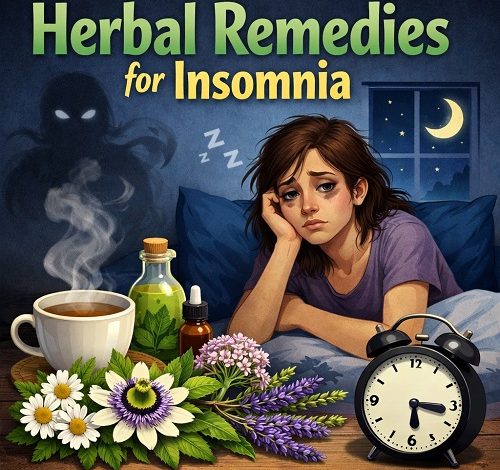
Sleep is not a luxury — it is a biological necessity. Yet millions of people struggle to fall asleep or stay asleep due to stress, anxiety, racing thoughts, or nighttime restlessness. If you’re tired of feeling exhausted, groggy, and mentally drained, you’re not alone.
In recent years, interest in Herbal Remedies for Insomnia has grown rapidly as more people seek natural solutions that support the body without harsh side effects. Unlike prescription sleep medications, many Herbal Remedies work gently with your nervous system, helping calm the mind, relax the body, and restore a healthier sleep cycle.
In this in-depth guide, we’ll explore:
- Why stress and anxiety disrupt sleep
- How herbs support natural sleep mechanisms
- The most effective Herbal Remedies for Insomnia
- Safe usage guidelines
- Lifestyle strategies to enhance results
Let’s begin by understanding what insomnia really is.
Understanding Insomnia: More Than Just “Trouble Sleeping”
Insomnia is a sleep disorder characterized by:
- Difficulty falling asleep
- Frequent nighttime awakenings
- Waking too early
- Non-restorative sleep
- Daytime fatigue and irritability
Stress and anxiety are two of the biggest contributors to sleep disturbances. When your brain perceives stress, it activates the “fight or flight” response. This increases cortisol and adrenaline — hormones that keep you alert instead of relaxed.
At night, this creates:
- Racing thoughts
- Muscle tension
- Rapid heartbeat
- Heightened alertness
Your body simply refuses to “power down.”
This is where Herbal Remedies for Insomnia can make a powerful difference.
How Herbal Remedies for Insomnia Work
Unlike sedatives that force sleep, many herbs:
- Support GABA activity (a calming brain neurotransmitter)
- Reduce cortisol levels
- Relax muscle tension
- Soothe nervous system hyperactivity
- Promote natural melatonin release
They gently guide your body toward sleep rather than knocking you out.
8 Herbal Remedies for Insomnia
Let’s explore the most effective options.
1. Valerian Root – The Natural Sedative
Valerian root has been used for centuries as a calming herb for nervous tension and sleep problems.
How It Helps:
- Increases GABA availability in the brain
- Reduces time needed to fall asleep
- Improves sleep quality
- Eases nighttime anxiety
Valerian is especially helpful for people who feel physically tense at bedtime.
Best For: Stress-related insomnia, restlessness, muscle tension.
How to Use:
- Capsules (300–600 mg before bed)
- Tea (strong infusion 30–60 minutes before sleep)
2. Chamomile – Gentle and Soothing
Chamomile is one of the safest and most widely used Herbal Remedies for Insomnia.
Why It Works:
Chamomile contains apigenin, a compound that binds to brain receptors responsible for relaxation.
Benefits include:
- Reduced anxiety
- Calmer mood
- Improved sleep onset
- Gentle nervous system support
Best For: Mild insomnia, stress, sensitive individuals.
How to Use:
- Chamomile tea 1 hour before bedtime
- Extract or tincture
3. Ashwagandha – Adaptogenic Stress Relief
Ashwagandha is an adaptogenic herb that helps the body adapt to stress.
How It Improves Sleep:
- Lowers cortisol levels
- Reduces anxiety
- Balances stress hormones
- Improves sleep latency
If your insomnia is driven by chronic stress or burnout, ashwagandha may be ideal.
Best For: Stress-induced insomnia, high cortisol, burnout.
How to Use:
- 300–600 mg standardized extract daily
- Can be taken evening or divided doses
4. Passionflower – Quieting a Racing Mind
Passionflower is excellent for mental overactivity at night.
Benefits:
- Enhances GABA signaling
- Reduces anxious thoughts
- Calms nervous agitation
- Helps with nighttime awakenings
If you lie awake replaying conversations or worrying about tomorrow, this herb may help.
Best For: Anxiety-related insomnia.
How to Use:
- Tea before bedtime
- Tincture (30–60 drops)
5. Lemon Balm – Nervous System Relaxer
Lemon balm is a mild sedative herb often combined with other Herbal Remedies.
Why It Works:
- Calms the nervous system
- Reduces stress and irritability
- Supports mood balance
- Promotes relaxation
It pairs beautifully with chamomile or valerian.
Best For: Restlessness, mild anxiety, mood-related sleep issues.
6. Lavender – Aromatherapy for Sleep
Lavender works both internally and externally.
Benefits:
- Reduces heart rate
- Decreases blood pressure
- Promotes relaxation
- Improves sleep quality
You can use:
- Lavender essential oil in a diffuser
- A few drops on your pillow
- Lavender tea
Aromatherapy can be surprisingly powerful.
7. Magnolia Bark – Deep Nervous System Support
Magnolia bark contains honokiol and magnolol, compounds shown to:
- Reduce anxiety
- Improve deep sleep stages
- Lower stress hormones
It’s particularly helpful for nighttime stress spikes.
8. California Poppy – Gentle Sedative
California poppy is not addictive and works as a mild sedative.
It Helps With:
- Restlessness
- Light sleep
- Mild insomnia
- Nervous tension
Often used in combination formulas.
Combining Herbal Remedies for Insomnia
Many people benefit from combination formulas that include:
- Valerian + Passionflower
- Lemon Balm + Chamomile
- Ashwagandha + Magnolia
Blends often work better than single herbs because they target multiple pathways of insomnia.
Stress, Anxiety, and Nighttime Restlessness: The Root Causes
Insomnia is often a symptom — not the root problem.
Common triggers include:
- Chronic stress
- Work pressure
- Financial worries
- Relationship tension
- Hormonal imbalance
- Poor sleep hygiene
- Excess screen exposure
- Caffeine consumption
Addressing these factors alongside Herbal Remedies for Insomnia produces the best results.
Lifestyle Tips to Enhance Herbal Remedies
Herbs work best when supported by healthy habits.
1. Create a Wind-Down Routine
- Dim lights after 8 PM
- Avoid screens 1 hour before bed
- Practice deep breathing
2. Regulate Caffeine Intake
Avoid caffeine after 2 PM.
3. Optimize Your Bedroom
- Cool temperature
- Dark environment
- Comfortable mattress
4. Try Magnesium
Magnesium glycinate can complement Herbal Remedies.
5. Practice Mindfulness
Meditation lowers stress hormones and improves sleep consistency.
How Long Do Herbal Remedies Take to Work?
It depends.
- Chamomile: Same night
- Valerian: A few nights to 1 week
- Ashwagandha: 2–4 weeks
- Adaptogenic blends: Gradual improvement
Herbs are not instant knock-out pills — they restore balance over time.
Consistency is key.
Are Herbal Remedies for Insomnia Safe?
Generally, yes — when used appropriately.
However:
- Pregnant women should consult a professional
- Avoid mixing with sedative medications without guidance
- Start with low doses
- Monitor how your body responds
Herbs are powerful biological compounds and should be respected.
When to See a Doctor
If you experience:
- Insomnia lasting more than 3 months
- Severe anxiety or depression
- Loud snoring or sleep apnea symptoms
- Chronic fatigue despite adequate sleep
Medical evaluation is important.
Herbal Remedies can support — but not replace — proper diagnosis.
The Long-Term Benefits of Natural Sleep Support
Unlike pharmaceutical sleep aids that may cause dependency or next-day grogginess, properly selected Herbal Remedies for Insomnia may:
- Improve sleep architecture
- Reduce stress reactivity
- Balance cortisol rhythms
- Enhance overall nervous system resilience
- Improve mood and cognitive clarity
Better sleep affects everything:
- Immune health
- Hormone balance
- Metabolism
- Mental clarity
- Emotional stability
Sleep is foundational to healing.
Sample Nighttime Herbal Routine
Here’s an example calming protocol:
7:30 PM – Light dinner
8:30 PM – Chamomile + Lemon Balm tea
9:00 PM – Ashwagandha capsule
9:30 PM – Lavender diffuser
10:00 PM – Lights out
Simple, natural, effective.
Frequently Asked Questions
Can Herbal Remedies for Insomnia replace sleeping pills?
In mild to moderate cases, many people successfully transition under supervision.
Are they addictive?
Most traditional Herbal Remedies are non-addictive when used responsibly.
Can I combine herbs?
Yes — many formulas are designed for synergistic effects.
Final Thoughts
If stress, anxiety, and nighttime restlessness are stealing your sleep, natural solutions may offer relief. Herbal Remedies for Insomnia provide a gentle yet powerful way to calm the nervous system, balance stress hormones, and restore restful sleep.
Remember:
- Address root causes
- Be consistent
- Combine herbs with healthy habits
- Give your body time to rebalance
Sleep is your body’s repair system. Supporting it naturally can transform not just your nights — but your entire life.