
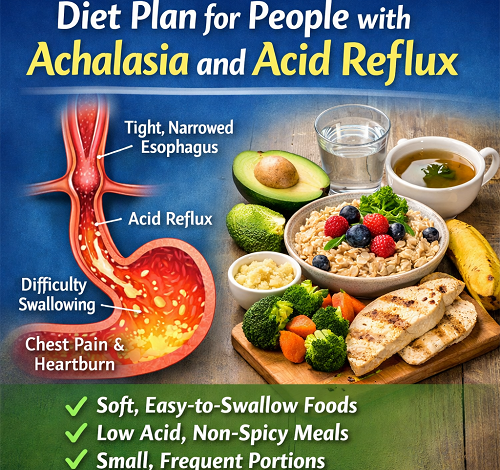
Living with achalasia and acid reflux can be challenging. Both conditions affect your esophagus but in different ways. Achalasia is a rare disorder in which the esophagus has trouble moving food toward the stomach due to nerve damage, while acid reflux (gastroesophageal reflux disease or GERD) occurs when stomach acid flows backward into the esophagus, causing heartburn and discomfort. When these two conditions overlap, managing your diet becomes critical to reduce symptoms, ensure proper nutrition, and maintain overall well-being. Effective diet plan for people with achalasia and acid reflux, including what to eat, what to avoid, and tips to make eating easier and safer.
Understanding Achalasia and Acid Reflux
Achalasia: The Basics
Achalasia is a motility disorder of the esophagus. Normally, the esophagus moves food downward via a coordinated muscular contraction called peristalsis. In achalasia, these contractions are weak or absent, and the lower esophageal sphincter (LES) fails to relax properly. This leads to:
- Difficulty swallowing (dysphagia)
- Regurgitation of undigested food
- Chest pain or discomfort
- Weight loss in severe cases
Acid Reflux: The Basics
Acid reflux occurs when the LES relaxes inappropriately, allowing stomach acid to rise into the esophagus. This can lead to:
- Heartburn
- Regurgitation
- Chronic cough or sore throat
- Esophagitis (inflammation of the esophagus)
When combined, achalasia can increase the risk of reflux because food may stay in the esophagus longer, increasing irritation. Conversely, reflux can exacerbate chest discomfort and make swallowing more painful.
Dietary Goals for Achalasia with Acid Reflux
The main dietary objectives are:
- Minimize esophageal irritation – Avoid foods that trigger reflux or cause spasms.
- Ensure adequate nutrition – Soft, easily swallowed foods reduce the risk of malnutrition.
- Reduce esophageal pressure – Smaller meals reduce strain on the LES.
- Promote digestion – Eating slowly and chewing well improves esophageal clearance.
Foods to Include
1. Soft and Moist Foods
Soft foods are easier to swallow and put less pressure on the esophagus:
- Mashed potatoes, sweet potatoes, and cooked vegetables
- Oatmeal, cream of wheat, and rice porridge
- Scrambled or soft-boiled eggs
- Tofu and soft cheeses
2. Low-Acid Fruits
Acidic fruits can trigger reflux. Opt for:
- Bananas
- Melons (cantaloupe, honeydew)
- Papaya
- Applesauce or peeled, cooked apples
- Pears
Avoid oranges, lemons, limes, and tomatoes, as these increase acid exposure.
3. Lean Proteins
Protein helps you feel full without causing reflux when prepared properly:
- Skinless chicken or turkey (boiled, steamed, or baked)
- Fish (salmon, cod, tilapia)
- Eggs
- Legumes, well-cooked and mashed if necessary
4. Whole Grains
Whole grains provide fiber and are gentle if prepared correctly:
- Oatmeal or porridge
- Soft-cooked quinoa
- Well-cooked brown rice or white rice (white rice may be easier for achalasia patients)
- Soft bread or toast, preferably without seeds that may irritate the esophagus
5. Healthy Fats in Moderation
Fats should be light because high-fat meals can worsen reflux:
- Avocado (mashed)
- Olive oil or canola oil (small amounts)
- Nut butters (smooth, not chunky)
Foods to Avoid
1. Acidic Foods
Acidic foods increase heartburn and esophageal irritation:
- Citrus fruits (oranges, lemons, grapefruit)
- Tomatoes and tomato-based sauces
- Vinegar-based dressings
- Pineapple
2. Spicy Foods
Spices can trigger reflux and esophageal discomfort:
- Chili, hot peppers, cayenne
- Curry powders, hot sauces
- Black pepper in excess
3. Fatty and Fried Foods
High-fat foods relax the LES and slow digestion:
- Fried foods
- Fatty cuts of meat (pork belly, beef ribeye)
- Full-fat dairy
- Cream-based sauces
4. Carbonated Beverages
Bubbles increase esophageal pressure and trigger reflux:
- Soda
- Sparkling water
- Beer and carbonated cocktails
5. Caffeine and Alcohol
Both irritate the esophagus and increase reflux:
- Coffee and strong tea
- Chocolate
- Alcoholic beverages
Meal Planning Tips
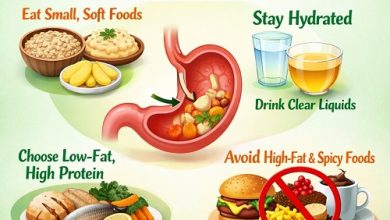
1. Eat Small, Frequent Meals
- 5–6 small meals daily instead of 2–3 large meals
- Smaller portions reduce esophageal pressure and reflux risk
2. Chew Thoroughly
- Chew slowly to break down food
- Helps reduce the chance of food sticking in the esophagus
3. Stay Upright After Eating
- Avoid lying down for at least 2–3 hours after meals
- Gravity helps food move down the esophagus
4. Warm or Room Temperature Foods
- Cold or very hot foods may trigger esophageal spasms
- Opt for moderate temperature meals
5. Adjust Food Consistency
- Pureed or blended foods may be needed for severe achalasia
- Smooth soups, smoothies, and mashed foods reduce swallowing difficulty
6. Monitor Triggers
- Keep a food diary to track what worsens symptoms
- Every individual may react differently
Sample Diet Plan for Achalasia and Acid Reflux
Breakfast
- Oatmeal made with water or low-fat milk, topped with mashed banana
- Scrambled egg or soft-boiled egg
- Herbal tea (chamomile or ginger)
Mid-Morning Snack
- Smoothie with papaya, peeled pear, and yogurt
- Optional: small spoon of smooth almond butter
Lunch
- Soft-cooked quinoa with steamed zucchini and carrots
- Baked skinless chicken breast, shredded
- Plain mashed potato with olive oil drizzle
Afternoon Snack
- Applesauce or soft melon slices
- Low-fat, soft cheese
Dinner
- Steamed white fish with soft-cooked rice
- Mashed pumpkin or carrot
- Steamed, soft greens like spinach or Swiss chard
Evening Snack (Optional)
- Warm oatmeal or cream of wheat
- Chamomile tea
Hydration Tips
- Drink fluids between meals instead of with meals to reduce esophageal volume
- Avoid carbonated and caffeinated drinks
- Warm water or herbal teas are preferred
- Small sips during meals if necessary for swallowing
Lifestyle Modifications to Support Diet
Diet alone is not enough to manage achalasia and acid reflux. Consider these lifestyle habits:
- Elevate the Head While Sleeping
- Use a wedge pillow or raise the head of the bed by 6–8 inches
- Gravity helps prevent reflux at night
- Maintain a Healthy Weight
- Excess weight increases pressure on the LES
- Balanced diet and gentle exercise are beneficial
- Avoid Tight Clothing
- Tight waistbands or belts increase abdominal pressure
- Quit Smoking
- Smoking relaxes the LES and worsens reflux
- Stress Management
- Stress can exacerbate achalasia symptoms and reflux
- Practice meditation, deep breathing, or gentle yoga
Special Considerations for Achalasia Patients
- Food Timing
- Avoid eating within 2–3 hours of bedtime
- Lying down after meals increases regurgitation risk
- Consistency Adjustment
- Pureed or liquid meals may be needed if swallowing is severely impaired
- Gradually reintroduce soft solids as tolerated
- Post-Surgical Diets
- Patients who have undergone procedures like Heller myotomy or POEM may need specific post-operative diets, usually starting with liquids and soft foods
- Vitamin and Mineral Supplementation
- If weight loss or malnutrition occurs, discuss nutritional supplements with a healthcare provider
- Focus on iron, calcium, vitamin D, and protein
When to Seek Medical Attention
Even with a carefully managed diet, certain symptoms require prompt medical attention:
- Sudden difficulty swallowing liquids or solids
- Vomiting blood or black, tarry stools
- Unexplained weight loss
- Severe chest pain
These may indicate complications such as esophageal obstruction, ulcers, or severe reflux damage.
Conclusion
Managing achalasia and acid reflux simultaneously requires careful attention to diet and lifestyle. A diet rich in soft, low-acid foods, lean proteins, whole grains, and healthy fats can help reduce symptoms, while avoiding trigger foods such as spicy, fatty, acidic, or carbonated items is essential.
Equally important are small, frequent meals, proper chewing, hydration between meals, and lifestyle modifications such as elevating the head during sleep, maintaining a healthy weight, and managing stress.
With a thoughtful, individualized approach, people with achalasia and acid reflux can enjoy meals without discomfort, maintain proper nutrition, and improve their quality of life.