

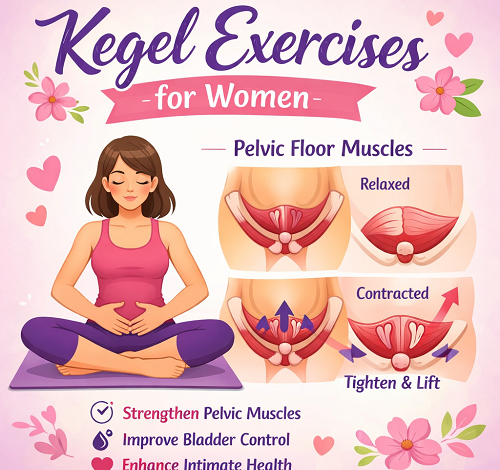
Pelvic health plays a crucial role in a woman’s overall well-being, yet it is often overlooked until discomfort or dysfunction appears. From bladder control to sexual satisfaction and postpartum recovery, the strength of pelvic floor muscles affects many aspects of daily life. One of the most effective and accessible ways to support this area of health is through Kegel Exercises for Women.
Kegel exercises are simple, discreet, and scientifically proven to improve pelvic floor strength. Whether you are a young woman looking to prevent future issues, a new mother recovering after childbirth, or someone experiencing urinary leakage or pelvic discomfort, Kegel exercises can be life-changing. This article explores everything you need to know about Kegel Exercises for Women, including benefits, correct techniques, common mistakes, and how to make them part of your daily routine for long-term pelvic health and confidence.
Understanding the Pelvic Floor Muscles
Before diving into Kegel exercises, it’s important to understand what the pelvic floor muscles are and why they matter.
The pelvic floor is a group of muscles and connective tissues that stretch like a hammock across the bottom of the pelvis. These muscles support vital organs such as the bladder, uterus, and bowel. They also play a key role in:
- Controlling urination and bowel movements
- Supporting the uterus and preventing prolapse
- Enhancing sexual sensation and satisfaction
- Stabilizing the core and lower back
When these muscles weaken, women may experience urinary incontinence, pelvic organ prolapse, lower back pain, or reduced sexual confidence. Kegel Exercises for Women are specifically designed to strengthen these muscles and restore proper function.
What Are Kegel Exercises for Women?
Kegel exercises involve contracting and relaxing the pelvic floor muscles repeatedly to improve strength, endurance, and control. Named after Dr. Arnold Kegel, who introduced them in the 1940s, these exercises are now widely recommended by gynecologists, physiotherapists, and women’s health specialists.
Unlike many workouts, Kegel Exercises for Women do not require special equipment, gym memberships, or significant time. They can be performed anywhere—while sitting at a desk, lying in bed, or even standing in line.
Key Benefits of Kegel Exercises for Women
1. Improved Bladder Control
One of the most common reasons women begin Kegel exercises is urinary incontinence. Stress incontinence—leakage during coughing, laughing, sneezing, or exercising—is especially common after childbirth or during menopause.
Regular Kegel Exercises for Women strengthen the muscles that control the urethra, reducing or eliminating urine leakage over time.
2. Enhanced Pelvic Organ Support
Weak pelvic muscles can cause pelvic organs to shift downward, a condition known as pelvic organ prolapse. Symptoms may include pelvic pressure, discomfort, or a feeling of heaviness.
Kegel exercises help lift and support these organs, slowing progression and sometimes preventing the need for surgical intervention.
3. Faster Postpartum Recovery
Pregnancy and vaginal delivery stretch and weaken pelvic floor muscles. Many women experience bladder leakage or reduced muscle tone after childbirth.
Incorporating Kegel Exercises for Women during postpartum recovery helps restore muscle strength, improves healing, and enhances long-term pelvic stability.
4. Increased Sexual Satisfaction and Confidence
Strong pelvic floor muscles can significantly enhance sexual pleasure. They improve vaginal tone, increase blood flow to the area, and support stronger orgasms.
Women who practice Kegel exercises often report improved intimacy, increased confidence, and a greater sense of body control.
5. Support During Menopause
Hormonal changes during menopause can weaken pelvic tissues, leading to dryness, incontinence, and discomfort.
Consistent Kegel Exercises for Women help counteract muscle weakening, maintain pelvic support, and improve overall comfort during this life stage.
How to Identify the Correct Pelvic Floor Muscles
Before performing Kegel exercises, it’s essential to locate the correct muscles.
A common method is to imagine stopping the flow of urine midstream. The muscles you engage to do this are your pelvic floor muscles. However, this method should only be used for identification—not as an exercise routine—since repeatedly stopping urine flow can lead to bladder issues.
Another approach is to imagine lifting a marble with your vaginal muscles or gently tightening the muscles used to prevent passing gas. These cues help ensure you’re activating the correct muscle group.
How to Perform Kegel Exercises for Women Correctly
Step-by-Step Guide
- Find a Comfortable Position
Beginners may find it easiest to start lying down. As strength improves, you can perform exercises while sitting or standing. - Contract the Pelvic Floor Muscles
Tighten the muscles you identified, lifting them upward and inward. - Hold the Contraction
Hold for 3 to 5 seconds initially. As strength improves, aim for 8 to 10 seconds. - Relax Fully
Release the contraction and relax for the same amount of time. - Repeat
Perform 10 repetitions per set. Aim for 3 sets per day.
Consistency is key. Performing Kegel Exercises for Women daily delivers noticeable improvements within a few weeks.
Common Mistakes to Avoid
Even though Kegel exercises are simple, many women unknowingly perform them incorrectly.
Using the Wrong Muscles
Avoid tightening the abdomen, thighs, or buttocks. The contraction should be isolated to the pelvic floor.
Holding Your Breath
Always breathe normally during the exercise. Holding your breath increases pressure and reduces effectiveness.
Overdoing It
Excessive Kegels can cause muscle fatigue or tightness, leading to discomfort. Balance and moderation are important.
Inconsistent Practice
Like any muscle training, results come from regular practice. Skipping days can slow progress.
How Often Should Women Do Kegel Exercises?
For best results, most experts recommend:
- 10–15 repetitions per set
- 3 sets per day
- Daily practice
It’s better to do shorter, consistent sessions than long, irregular ones. Over time, gradually increase the duration of each hold and add quick contractions for endurance.
Kegel Exercises for Women at Different Life Stages
Young Women
Kegels help build strong pelvic muscles early, preventing future issues related to pregnancy, aging, or high-impact exercise.
Pregnant Women
With medical approval, Kegel exercises during pregnancy support the growing uterus, reduce incontinence, and prepare muscles for childbirth.
Postpartum Women
After delivery, Kegel Exercises for Women help restore muscle tone, reduce leakage, and improve healing.
Menopausal Women
Kegels combat hormonal-related muscle weakening, maintaining bladder control and pelvic comfort.
Combining Kegels with Other Pelvic Health Practices
While Kegels are powerful on their own, combining them with other healthy habits can maximize results:
- Maintain a healthy body weight to reduce pelvic pressure
- Practice good posture and core strengthening
- Avoid chronic constipation and straining
- Limit excessive caffeine and bladder irritants
Some women may also benefit from pelvic floor physical therapy, especially if symptoms persist despite regular exercise.
How Long Does It Take to See Results?
Most women notice improvements within 4 to 6 weeks of consistent practice. Significant muscle strengthening may take 3 months or longer, depending on individual factors such as age, muscle condition, and consistency.
The key is patience and persistence. Kegel Exercises for Women are a long-term investment in pelvic health.
When to Seek Professional Help
If you experience pain during Kegel exercises, difficulty identifying the correct muscles, or no improvement after several months, consult a healthcare provider or pelvic floor physiotherapist. Some women have overly tight pelvic muscles and may require relaxation techniques instead of strengthening exercises.
Final Thoughts: Building Strength, Confidence, and Control
Pelvic health is deeply connected to confidence, comfort, and quality of life. Kegel Exercises for Women offer a simple yet powerful way to strengthen the pelvic floor, prevent common issues, and enhance both physical and emotional well-being.
By practicing Kegels regularly and correctly, women of all ages can take control of their pelvic health, improve bladder and sexual function, and move through life with greater confidence. Whether you’re starting for prevention or healing, Kegel exercises are a small daily habit with life-changing benefits.