Natural Remedies for Lichen Planopilaris That Support Healthier Hair Growth

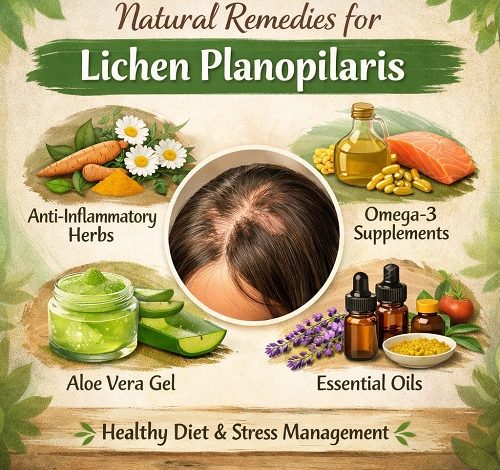
Living with lichen planopilaris (LPP) can feel overwhelming—especially when hair loss becomes noticeable and symptoms like scalp itching, burning, or tenderness start interfering with daily life. If you’re here, you’re probably looking for answers beyond prescription medications and wondering whether natural remedies for lichen planopilaris can truly support scalp health and healthier hair growth.
While lichen planopilaris is a chronic inflammatory condition that requires medical supervision, many people successfully use natural strategies alongside conventional care to calm inflammation, protect remaining hair follicles, and improve overall scalp comfort. Holistic approaches that support your body and scalp from the inside out.
Understanding Lichen Planopilaris and Its Impact on Hair
Lichen planopilaris is a rare autoimmune form of scarring alopecia. It occurs when the immune system mistakenly attacks hair follicles, leading to inflammation and, over time, permanent hair loss in affected areas.
Common Symptoms You May Experience
- Patchy hair loss on the scalp
- Redness around hair follicles
- Burning, itching, or pain
- Scaling or flaking
- Smooth, shiny areas where follicles no longer exist
Early intervention is critical. Once follicles are permanently scarred, regrowth is unlikely. That’s why supportive natural remedies for lichen planopilaris focus on reducing inflammation, calming immune overactivity, and protecting remaining follicles.
Can Natural Remedies Really Help Lichen Planopilaris?
Natural remedies do not replace medical treatment—but they can complement it effectively. Many people with LPP find that holistic approaches help:
- Reduce scalp inflammation
- Ease itching and burning
- Support immune balance
- Improve overall scalp health
- Enhance quality of life
When used consistently and safely, natural strategies may help slow disease progression and support healthier hair environments.
1. Anti-Inflammatory Nutrition for Scalp and Hair Health
One of the most powerful natural remedies for lichen planopilaris begins on your plate.
Focus on an Anti-Inflammatory Diet
Chronic inflammation fuels autoimmune conditions. Choosing foods that reduce inflammatory markers can help calm immune responses affecting the scalp.
Foods to prioritize:
- Fatty fish (salmon, sardines) rich in omega-3s
- Leafy greens like spinach and kale
- Berries (blueberries, strawberries)
- Olive oil
- Turmeric and ginger
- Nuts and seeds
Foods to limit or avoid:
- Refined sugars
- Processed foods
- Trans fats
- Excess dairy (if sensitive)
- Gluten (for those with autoimmune sensitivity)
Many people with autoimmune scalp disorders notice symptom improvement when inflammation-triggering foods are reduced.
2. Omega-3 Fatty Acids: Supporting Immune Balance
Omega-3 fatty acids are widely studied for their role in reducing inflammation and modulating immune function.
Why Omega-3s Matter for LPP
- Help reduce inflammatory cytokines
- Support skin barrier function
- Improve scalp hydration
- Promote healthier hair growth environments
You can obtain omega-3s from fatty fish or high-quality supplements like fish oil or algae-based omega-3s (for plant-based diets).
3. Herbal Remedies That Calm Scalp Inflammation
Several Herbal Remedies are traditionally used to support inflammatory skin and scalp conditions. While research on lichen planopilaris specifically is limited, these herbs are known for immune-modulating and anti-inflammatory properties.
Turmeric (Curcumin)
Curcumin, the active compound in turmeric, is a powerful anti-inflammatory agent.
Potential benefits:
- Helps calm immune overactivity
- Reduces inflammatory signaling
- Supports skin healing
For better absorption, turmeric is often combined with black pepper (piperine).
Aloe Vera
Aloe vera is soothing, cooling, and hydrating—especially beneficial for irritated scalps.
How it helps:
- Reduces itching and burning
- Supports scalp barrier repair
- Provides gentle antimicrobial action
Pure aloe vera gel can be applied directly to the scalp several times per week.
4. Essential Oils for Scalp Comfort (Used Safely)
When diluted properly, certain essential oils may support scalp health and circulation.
Lavender Oil
- Calming and anti-inflammatory
- May reduce itching and irritation
- Supports stress reduction
Rosemary Oil
- Improves scalp circulation
- Traditionally used for hair support
- May strengthen remaining follicles
Important: Always dilute essential oils in a carrier oil like jojoba or coconut oil. Perform a patch test before scalp use.
5. Gentle Scalp Care: Protecting Fragile Hair Follicles
Aggressive hair care can worsen inflammation and accelerate hair loss in lichen planopilaris.
Scalp Care Tips That Matter
- Use fragrance-free, sulfate-free shampoos
- Avoid harsh scrubbing or scratching
- Limit heat styling
- Avoid tight hairstyles that pull on follicles
- Wash with lukewarm water
Gentle care reduces mechanical stress on already inflamed follicles.
6. Stress Management as a Natural Remedy for Lichen Planopilaris
Stress doesn’t cause lichen planopilaris—but it can worsen autoimmune activity and trigger flare-ups.
Stress-Reduction Techniques That Help
- Mindfulness meditation
- Deep breathing exercises
- Gentle yoga or stretching
- Walking in nature
- Adequate sleep
Lowering stress supports immune balance and may reduce symptom intensity over time.
7. Gut Health and Immune Regulation
Emerging research suggests a strong connection between gut health and autoimmune conditions.
Supporting a Healthy Gut
- Eat fiber-rich foods (vegetables, legumes)
- Include fermented foods (yogurt, kefir, sauerkraut)
- Consider a probiotic supplement
- Limit antibiotics unless medically necessary
A balanced gut microbiome supports immune regulation and may reduce systemic inflammation affecting the scalp.
8. Vitamin and Mineral Support for Hair and Scalp
Certain nutrient deficiencies can worsen hair and scalp health.
Key Nutrients to Monitor
- Vitamin D: Supports immune balance
- Zinc: Essential for skin healing
- Iron: Low levels can worsen hair loss
- Biotin: Supports hair structure
Always test levels and consult a healthcare provider before supplementing excessively.
9. Natural Oils for Scalp Moisture and Protection
Keeping the scalp moisturized may help reduce irritation and flaking.
Beneficial Carrier Oils
- Jojoba oil (closest to natural scalp sebum)
- Coconut oil (antimicrobial properties)
- Castor oil (rich in ricinoleic acid)
Light scalp massage with oils may improve circulation and comfort—but avoid aggressive rubbing.
10. Realistic Expectations: Supporting Hair Health, Not Promising Cures
It’s important to approach natural remedies for lichen planopilaris with realistic expectations.
Natural strategies aim to:
- Reduce inflammation
- Calm symptoms
- Protect remaining hair follicles
- Improve scalp comfort
They cannot reverse scarring, but they may help slow progression and support healthier scalp conditions when used consistently and alongside medical care.
Working With Your Healthcare Provider
Always inform your dermatologist or healthcare provider about any supplements, herbs, or topical treatments you’re using. Integrative care—combining medical treatment with natural support—often leads to the best outcomes for chronic conditions like lichen planopilaris.
Final Thoughts: A Holistic Path Toward Healthier Hair
Living with lichen planopilaris can be emotionally and physically challenging, but you are not powerless. By combining medical guidance with thoughtful lifestyle changes and natural remedies for lichen planopilaris, you can actively support your scalp, protect remaining hair, and improve your overall well-being.
Healing isn’t always about quick fixes—it’s about consistency, patience, and caring for your body as a whole. With the right approach, many people find relief, stability, and renewed confidence on their hair-health journey.