Best Abdominal Adhesions Herbal Remedies for Reducing Pain and Discomfort

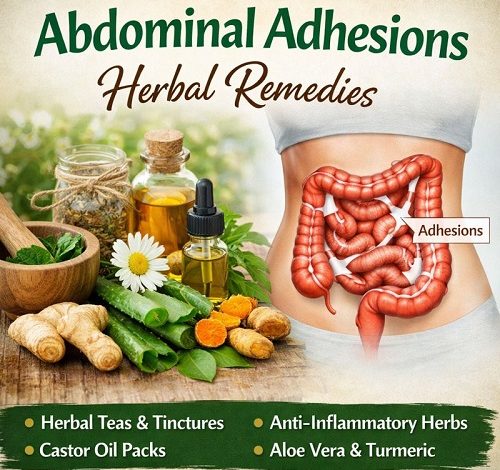
Abdominal adhesions are bands of scar tissue that form between organs and tissues in the abdominal cavity, often as a result of surgery, infection, or inflammation. While sometimes asymptomatic, abdominal adhesions can cause significant discomfort, chronic pain, digestive issues, and even complications like bowel obstruction. While surgical options exist, they come with risks of recurrence, so many individuals seek safer, natural alternatives. Abdominal Adhesions Herbal Remedies that help reduce pain and discomfort, along with effective Home Remedies for Abdominal Adhesions and Natural Treatment for Abdominal Adhesions strategies.
Understanding Abdominal Adhesions
Before diving into herbal remedies, it’s essential to understand what abdominal adhesions are and how they impact health.
- Definition: Abdominal adhesions are fibrous bands of tissue that abnormally connect organs or tissues that are normally separate.
- Causes: Surgery (especially abdominal or pelvic), infections, endometriosis, radiation therapy, and inflammatory conditions.
- Symptoms: Chronic abdominal pain, bloating, constipation, nausea, infertility (in women), and sometimes complete bowel obstruction.
- Complications: Severe adhesions can restrict organ movement, leading to digestive difficulties or complications requiring surgical intervention.
Although medical treatment often involves surgical removal, the risk of adhesions recurring is high. Therefore, natural and herbal remedies can serve as supportive therapies to reduce inflammation, improve digestion, and alleviate discomfort.
Why Herbal Remedies for Abdominal Adhesions Work
Herbal remedies are increasingly recognized for their therapeutic potential in managing abdominal adhesions. The benefits include:
- Anti-inflammatory properties: Herbs reduce inflammation in the abdominal cavity, potentially preventing further adhesion formation.
- Pain relief: Many herbs naturally soothe nerve irritation and reduce discomfort associated with adhesions.
- Digestive support: Some herbs enhance digestive function, relieve constipation, and reduce bloating.
- Detoxification: Herbal remedies may support liver and gut health, which is crucial for reducing systemic inflammation.
These benefits make Abdominal Adhesions Herbal Remedies a complementary approach alongside conventional treatment.
Top Abdominal Adhesions Herbal Remedies
Here’s a comprehensive list of the most effective herbal options:
1. Turmeric (Curcuma longa)
- Properties: Anti-inflammatory, antioxidant, and pain-relieving.
- How it helps: Curcumin, the active compound in turmeric, can reduce inflammation in the abdominal cavity and help prevent adhesion formation.
- Usage: Mix 1 teaspoon of turmeric powder in warm milk or water daily. Turmeric capsules are also effective if taken under professional guidance.
2. Ginger (Zingiber officinale)
- Properties: Anti-inflammatory, digestive stimulant, and pain reliever.
- How it helps: Ginger improves gut motility, reduces bloating, and alleviates discomfort caused by adhesions.
- Usage: Drink ginger tea 2–3 times daily or include fresh ginger in meals.
3. Chamomile (Matricaria chamomilla)
- Properties: Anti-spasmodic and anti-inflammatory.
- How it helps: Chamomile relaxes abdominal muscles and eases digestive discomfort, making it beneficial for pain associated with adhesions.
- Usage: Brew chamomile tea and drink 2–3 times per day.
4. Peppermint (Mentha piperita)
- Properties: Carminative, anti-spasmodic, and digestive aid.
- How it helps: Peppermint oil or tea can reduce bloating and abdominal cramps.
- Usage: Sip peppermint tea or use peppermint essential oil diluted in a carrier oil for gentle abdominal massage.
5. Licorice Root (Glycyrrhiza glabra)
- Properties: Anti-inflammatory and gastrointestinal protective.
- How it helps: Licorice root may help soothe the digestive tract lining and reduce inflammation, lowering discomfort caused by adhesions.
- Usage: Drink licorice tea or use standardized licorice supplements under supervision.
6. Fennel Seeds (Foeniculum vulgare)
- Properties: Digestive stimulant, anti-inflammatory, and carminative.
- How it helps: Fennel helps relieve bloating, gas, and constipation linked to adhesions.
- Usage: Chew fennel seeds after meals or make fennel tea twice daily.
7. Boswellia (Boswellia serrata)
- Properties: Strong anti-inflammatory and pain-reducing.
- How it helps: Boswellia extract may help reduce abdominal inflammation and pain associated with adhesions.
- Usage: Take standardized boswellia capsules or powders according to package directions.
8. Marshmallow Root (Althaea officinalis)
- Properties: Soothing and anti-inflammatory.
- How it helps: Marshmallow root coats and soothes the digestive tract, easing abdominal discomfort.
- Usage: Brew marshmallow root tea or take it as a supplement.
9. Slippery Elm (Ulmus rubra)
- Properties: Anti-inflammatory and gut-soothing.
- How it helps: Slippery elm forms a protective coating in the gut, which may reduce irritation from adhesions.
- Usage: Drink slippery elm tea 1–2 times daily or use powdered form mixed with water.
10. Milk Thistle (Silybum marianum)
- Properties: Liver support and anti-inflammatory.
- How it helps: A healthy liver promotes detoxification, indirectly reducing inflammation that can worsen adhesion-related pain.
- Usage: Take milk thistle capsules or drink as tea.
Effective Home Remedies for Abdominal Adhesions
In addition to herbs, certain Home Remedies for Abdominal Adhesions can support healing and pain relief.
1. Warm Compress or Heat Therapy
- Applying gentle heat to the abdominal area can relax muscles and reduce pain associated with adhesions.
2. Gentle Abdominal Massage
- Using coconut or olive oil, a gentle massage can improve circulation, reduce tissue stiffness, and relieve discomfort.
3. Hydration
- Adequate water intake supports digestion and prevents constipation, which may exacerbate adhesion pain.
4. Light Exercise and Stretching
- Low-impact exercises such as walking, yoga, and stretching can improve abdominal mobility, reduce pain, and prevent adhesions from worsening.
5. Probiotics
- Supporting gut health with probiotics can improve digestion and reduce inflammation in the abdomen.
6. Dietary Adjustments
- Include fiber-rich foods to prevent constipation.
- Reduce inflammatory foods like processed sugar, refined grains, and fried foods.
Lifestyle Tips to Support Herbal Remedies
Combining herbal remedies with healthy lifestyle practices enhances their effectiveness:
- Eat anti-inflammatory foods: Leafy greens, berries, nuts, and fatty fish.
- Avoid heavy lifting: Prevents aggravation of abdominal adhesions.
- Reduce stress: Meditation, breathing exercises, and mindfulness can decrease inflammation.
- Maintain healthy weight: Reduces pressure on the abdominal cavity, lowering discomfort.
When to Seek Medical Advice
While herbal and home remedies are effective for managing mild symptoms, certain warning signs require immediate medical attention:
- Severe or worsening abdominal pain
- Persistent vomiting or nausea
- Bowel obstruction or severe constipation
- Signs of infection (fever, chills, or foul discharge)
Herbal remedies should be considered complementary and not a replacement for professional care in severe cases.
Integrating Natural Treatment for Abdominal Adhesions
A holistic approach combining Abdominal Adhesions Herbal Remedies, lifestyle adjustments, and gentle home therapies can significantly improve quality of life. Here’s a suggested integration:
- Morning: Drink turmeric and ginger tea to reduce inflammation.
- Daytime: Stay hydrated, include high-fiber meals, and take short walks.
- Afternoon: Sip chamomile or peppermint tea to ease digestion.
- Evening: Gentle abdominal massage with essential oils and warm compress.
- Night: Drink a cup of marshmallow root or slippery elm tea before sleep.
Conclusion
Managing abdominal adhesions naturally is possible with the right combination of Abdominal Adhesions Herbal Remedies and Home Remedies for Abdominal Adhesions. Herbs like turmeric, ginger, chamomile, and fennel, along with lifestyle adjustments, digestive support, and gentle exercises, can help reduce inflammation, improve digestion, and alleviate discomfort. Incorporating these natural treatments not only promotes abdominal health but also enhances overall well-being without the risks associated with repeated surgeries.