
How Inflammation Affects Nerve Health and Pain Sensitivity in Trigeminal Neuralgia

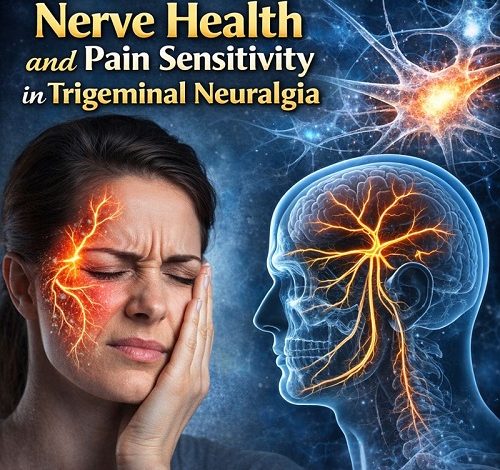
I write this article for people living with facial nerve pain, their families, and anyone searching for clear medical explanations without jargon. I speak as a clinician with long experience in neurology and pain medicine, and as a content strategist who knows how easily confusing health information can become. How inflammation affects nerve health, why it raises pain sensitivity, and how this process links directly to symptoms of trigeminal neuralgia. I will also address common questions patients ask in clinic and online, using clear British English and practical explanations.
What inflammation really means for nerve health
Inflammation serves as a protective response. When tissues face injury, infection, or irritation, the immune system sends chemical messengers to help repair damage. Short-term inflammation supports healing. Problems begin when inflammation becomes persistent or uncontrolled.
In nerves, inflammation irritates the protective coverings and alters how nerve fibres transmit signals. Healthy nerves send messages in an organised way. Inflamed nerves misfire. They send exaggerated signals to the brain, even in response to light touch, mild temperature changes, or normal movement.
In the face, this effect feels especially intense because facial nerves carry dense sensory information. Small disturbances produce strong sensations. Patients often describe stabbing, electric, or burning pain that appears without warning.
Why facial nerves react strongly to inflammation
The trigeminal nerve provides sensation to the face, jaw, teeth, gums, lips, eyes, and forehead. It divides into three major branches. Each branch passes through narrow bony channels before reaching the brainstem. These tight spaces leave little room for swelling.
When inflammation affects the trigeminal nerve, even minor swelling increases pressure. Pressure restricts blood flow, reduces oxygen supply, and disrupts nerve insulation. As a result, nerve fibres become hypersensitive.
This sensitivity explains why everyday actions such as brushing teeth, speaking, chewing, shaving, or a light breeze can trigger intense pain. In clinical practice, patients often say, “It feels like the nerve is exposed.” That description fits well with inflamed nerve tissue.
How inflammation changes pain sensitivity
Pain sensitivity rises through several biological steps:
- Chemical messengers increase nerve firing
Inflammatory substances such as prostaglandins and cytokines lower the threshold for nerve activation. Nerves fire more easily and more often. - Loss of nerve insulation
Chronic inflammation damages the myelin sheath that normally protects nerves. Without proper insulation, electrical signals leak and trigger neighbouring fibres. - Central sensitisation
Repeated pain signals train the brain to expect pain. Over time, the brain amplifies signals even further, creating ongoing discomfort between attacks.
In trigeminal neuralgia, these steps combine to create brief but severe pain episodes that feel disproportionate to the trigger.
Linking nerve inflammation to trigeminal neuralgia symptoms
Inflammation plays a key role in many cases of trigeminal neuralgia. While blood vessel compression often receives attention, inflammation frequently acts as a secondary driver that worsens symptoms.
Inflamed nerves develop unstable electrical activity. This instability causes sudden pain bursts that start and stop without warning. Patients often describe sharp shocks lasting seconds but repeating multiple times per day.
Inflammation also explains why symptoms fluctuate. During periods of increased immune activity, stress, illness, poor sleep, or dietary changes, inflammation rises and pain becomes more frequent or intense.
Common causes of nerve inflammation in trigeminal neuralgia
Several factors contribute to inflammation around the trigeminal nerve:
- Chronic nerve compression
Ongoing pressure from blood vessels irritates nerve tissue and triggers inflammatory responses. - Autoimmune activity
Conditions such as multiple sclerosis cause immune attacks on nerve coverings, leading to inflammation and nerve damage. - Infections
Viral infections can inflame nerve tissue, even after the initial illness resolves. - Metabolic imbalances
Poor blood sugar control, vitamin deficiencies, and oxidative stress increase inflammatory activity.
Identifying these contributors helps guide treatment decisions and lifestyle changes.
Why inflammation makes pain feel unpredictable
Patients often ask why pain appears randomly. Inflammation provides the answer. Inflammatory activity fluctuates throughout the day. Hormones, immune signals, stress chemicals, and blood flow all influence nerve sensitivity.
One day, a trigger causes no pain. The next day, the same action produces a severe attack. This inconsistency causes frustration and anxiety. Patients often fear everyday activities and limit social interaction.
Clear education reduces fear. Knowing that inflammation drives unpredictability helps patients recognise that pain flares do not reflect personal failure or disease progression alone.
The role of diet and lifestyle in nerve inflammation
Lifestyle choices influence inflammation more than many people realise. In clinical practice, I see meaningful symptom changes when patients address inflammatory triggers.
Diet-related inflammation
Highly processed foods, refined sugars, and trans fats increase inflammatory markers. These foods worsen nerve sensitivity. Diets rich in vegetables, healthy fats, lean proteins, and antioxidants support nerve repair.
Hydration also matters. Dehydration thickens blood and reduces oxygen delivery to nerves, increasing irritation.
Stress and inflammation
Chronic stress raises cortisol and adrenaline. These hormones increase inflammatory signalling and sensitise pain pathways. Mind-body approaches reduce flare frequency by calming the nervous system.
Sleep quality
Poor sleep disrupts immune regulation. Inflammation rises during sleep deprivation, and pain thresholds drop. Improving sleep often reduces attack frequency.
Medical treatments that reduce nerve inflammation
Standard medical care often focuses on reducing nerve firing. Medications such as carbamazepine and oxcarbazepine stabilise nerve activity. These medicines help many patients, but they do not address inflammation directly.
Other treatments target inflammation more clearly:
- Short-term anti-inflammatory strategies may ease flare severity.
- Treating underlying conditions such as autoimmune disease reduces ongoing nerve irritation.
- Surgical decompression relieves mechanical pressure and secondary inflammation in selected cases.
Patients benefit most when care addresses both nerve firing and inflammatory drivers.
Natural approaches patients often explore
Many patients ask about complementary approaches to reduce inflammation alongside medical care. While no natural approach replaces prescribed treatment, some strategies support nerve health.
Patients frequently research Natural Remedies for Trigeminal Neuralgia to explore anti-inflammatory options that fit daily life. These may include dietary changes, stress reduction practices, and gentle physical therapies.
Others explore Alternative Treatments for Trigeminal Neuralgia such as acupuncture, mindfulness-based pain management, and physiotherapy approaches focused on neck and jaw alignment.
Interest also grows around Natural Supplements for Trigeminal Neuralgia, particularly nutrients involved in nerve repair and immune balance. Patients should discuss supplements with a healthcare professional to avoid interactions.
Some readers look for guidance through curated resources such as Best Herbal Supplements Products and Natural Remedies, especially when conventional treatments cause side effects. Professional oversight remains essential.
How inflammation explains pain-free intervals
One confusing aspect of trigeminal neuralgia involves remission periods. Patients may experience weeks or months without pain. Inflammation explains this pattern well.
During remission, inflammatory activity settles. Blood flow improves, nerve insulation partially recovers, and pain thresholds rise. These improvements do not always indicate cure, but they show that nerve tissue retains capacity for recovery.
Protecting these pain-free intervals through lifestyle management and medical follow-up helps prolong relief.
Red flags that suggest rising inflammation
Patients should watch for signs that inflammation may be increasing:
- Shorter gaps between pain attacks
- Pain spreading to additional facial areas
- Increased sensitivity to light touch
- Background aching between shocks
Early recognition allows timely adjustments in treatment and self-care.
Emotional impact of inflammation-driven pain
Chronic nerve pain affects mental health. Inflammation influences mood directly through immune-brain signalling. Patients often report anxiety, irritability, and low mood during pain flares.
Pain education helps break this cycle. When patients understand that inflammation drives these changes, self-blame decreases. Emotional support becomes a valid part of care rather than an afterthought.
Supporting nerve recovery over time
Nerves heal slowly. Reducing inflammation supports this process. Consistent habits matter more than quick fixes.
Patients benefit from:
- Regular medical review
- Anti-inflammatory nutrition
- Stress management routines
- Adequate sleep
- Gentle physical activity
These steps do not cure trigeminal neuralgia, but they improve resilience and quality of life.
When to seek specialist care
Persistent facial pain requires specialist input. Neurologists and pain specialists assess nerve health, rule out secondary causes, and tailor treatment plans.
Sudden changes in pain pattern, facial weakness, numbness, or visual symptoms require prompt medical review.
Final thoughts for patients and caregivers
Inflammation plays a central role in nerve health and pain sensitivity. In trigeminal neuralgia, inflammation amplifies nerve misfiring, increases pain intensity, and creates unpredictability. Understanding this process empowers patients.
Clear knowledge replaces fear with practical action. With medical care, informed lifestyle choices, and emotional support, patients can reduce flare frequency and regain confidence in daily life.
If you live with trigeminal neuralgia, remember this: pain reflects biological processes, not personal weakness. Addressing inflammation gives your nervous system the best chance to settle and recover.