
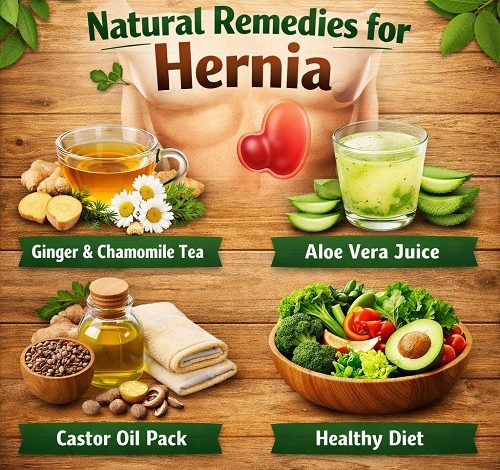
A hernia can be uncomfortable, painful, and disruptive to daily life. While surgery is often recommended for severe or complicated cases, many people search for Natural Remedies for Hernia to help manage symptoms, reduce discomfort, and support healing—especially in mild or early-stage cases. These natural approaches focus on strengthening muscles, reducing pressure on the abdomen, and promoting overall digestive and muscular health.
Natural Remedies for Hernia that may help relieve symptoms, prevent worsening, and support the body’s natural healing processes—without surgery.
Understanding Hernia: What It Is and Why It Happens
A hernia occurs when an internal organ or tissue pushes through a weak spot in the surrounding muscle or connective tissue. The most common types include:
- Inguinal hernia (groin area)
- Hiatal hernia (upper stomach pushing into the chest)
- Umbilical hernia (around the belly button)
- Femoral hernia
- Incisional hernia
Common Causes of Hernia
- Weak abdominal muscles
- Heavy lifting
- Chronic coughing
- Constipation and straining
- Obesity
- Pregnancy
- Aging
Understanding the root cause helps tailor the most effective Natural Remedies for Hernia.
Can Natural Remedies for Hernia Really Help?
While surgery is the only permanent solution, Natural Remedies for Hernia can:
- Reduce pain and inflammation
- Improve digestion and bowel movements
- Strengthen abdominal muscles
- Prevent the hernia from worsening
- Improve overall quality of life
Many people with small or reducible hernias find relief through natural management strategies.
1. Dietary Changes: The Foundation of Natural Remedies for Hernia
Diet plays a crucial role in managing hernia symptoms. Poor digestion and constipation increase abdominal pressure, worsening the condition.
Best Foods for Hernia Relief
- High-fiber foods: Oats, whole grains, lentils, beans
- Fresh fruits: Papaya, apples, pears, bananas
- Vegetables: Spinach, carrots, broccoli
- Healthy fats: Olive oil, avocado
- Lean proteins: Fish, eggs, legumes
Foods to Avoid
- Fried and processed foods
- Spicy foods (especially for hiatal hernia)
- Carbonated drinks
- Excess caffeine
- Alcohol
A fiber-rich, anti-inflammatory diet is one of the most effective Natural Remedies for Hernia.
2. Herbal Remedies That Support Hernia Healing
Herbs have been used for centuries to reduce inflammation, improve digestion, and support muscle strength.
Aloe Vera
- Reduces inflammation
- Soothes digestive tract
- Helpful for hiatal hernia symptoms
How to use: Drink aloe vera juice before meals (in moderation).
Ginger
- Reduces bloating and gas
- Improves digestion
- Lowers abdominal pressure
How to use: Ginger tea or fresh ginger in meals.
Turmeric
- Contains curcumin with anti-inflammatory properties
- Supports tissue healing
How to use: Turmeric milk or supplements (with black pepper).
Chamomile
- Calms stomach acids
- Relieves digestive discomfort
Herbal therapy is a time-tested part of Natural Remedies for Hernia.
3. Gentle Exercises to Strengthen Abdominal Muscles
Exercise can be beneficial—but only when done carefully. The goal is to strengthen muscles without straining.
Safe Exercises for Hernia
- Walking
- Swimming
- Gentle yoga
- Pelvic tilts
- Deep breathing exercises
Exercises to Avoid
- Heavy weightlifting
- Sit-ups
- Crunches
- High-impact workouts
Strengthening muscles gradually is a core principle of Natural Remedies for Hernia.
4. Yoga Poses for Hernia Support
Yoga improves flexibility, digestion, and muscle tone while reducing stress.
Beneficial Yoga Poses
- Pawanmuktasana (Wind-Relieving Pose) – reduces gas and bloating
- Bhujangasana (Cobra Pose) – strengthens abdominal muscles
- Vajrasana (Thunderbolt Pose) – aids digestion
- Tadasana (Mountain Pose) – improves posture
Practice under guidance, especially if you are new to yoga. Yoga therapy is among the safest Natural Remedies for Hernia.
5. Weight Management: A Key Natural Remedy for Hernia
Excess body weight puts additional pressure on the abdominal wall, worsening hernia symptoms.
Tips for Healthy Weight Loss
- Eat smaller, frequent meals
- Avoid late-night eating
- Focus on whole foods
- Stay hydrated
- Combine diet with light physical activity
Maintaining a healthy weight significantly supports Natural Remedies for Hernia.
6. Proper Posture and Body Mechanics
Poor posture increases abdominal pressure and weakens muscles over time.
Hernia-Friendly Habits
- Sit and stand straight
- Avoid slouching
- Bend at the knees, not the waist
- Avoid sudden twisting movements
Correct posture is often overlooked but highly effective among Natural Remedies for Hernia.
7. Natural Ways to Relieve Constipation
Straining during bowel movements is a major cause and aggravator of hernias.
Constipation Relief Tips
- Increase fiber intake
- Drink 8–10 glasses of water daily
- Use psyllium husk (ispaghula)
- Include prunes or figs in diet
- Establish a regular bathroom routine
Reducing strain is one of the most practical Natural Remedies for Hernia.
8. Lifestyle Modifications That Prevent Hernia Worsening
Small daily habits make a big difference.
Healthy Lifestyle Practices
- Quit smoking (reduces chronic coughing)
- Avoid heavy lifting
- Manage stress
- Get adequate sleep
- Eat slowly and chew food well
Lifestyle adjustments are long-term Natural Remedies for Hernia that protect muscle health.
9. Natural Supports and Hernia Belts
Some people find temporary relief using non-surgical supports.
Hernia Belts and Trusses
- Provide external support
- Reduce bulging
- Improve comfort during movement
Note: These do not cure hernias but can complement other Natural Remedies for Hernia when used correctly.
10. Hiatal Hernia: Special Natural Remedies
For hiatal hernia, digestive health is critical.
Helpful Tips
- Elevate head while sleeping
- Avoid lying down after meals
- Eat smaller portions
- Avoid acidic and spicy foods
- Drink herbal teas like fennel or chamomile
Digestive balance is central to Natural Remedies for Hernia, especially hiatal types.
When Natural Remedies Are Not Enough
While Natural Remedies for Hernia are helpful, some symptoms require immediate medical attention:
- Severe or sudden pain
- Hernia becomes hard or tender
- Nausea and vomiting
- Inability to push hernia back in
- Fever or redness around the area
In such cases, surgery may be necessary to prevent complications.
Frequently Asked Questions About Natural Remedies for Hernia
Can a hernia heal on its own naturally?
No, hernias do not completely heal on their own, but Herbal Remedies for Hernia can help manage symptoms and slow progression.
Are natural remedies safe for all hernia types?
Most natural remedies are safe for mild cases, but always consult a doctor—especially for large or painful hernias.
How long does it take to see improvement?
With consistent lifestyle and dietary changes, symptom relief may be noticed within weeks.
Final Thoughts: Are Natural Remedies for Hernia Worth Trying?
Natural Remedies for Hernia offer a holistic approach to managing symptoms, improving comfort, and supporting muscle health—especially for individuals who are not ready for surgery or have mild cases. By combining proper diet, gentle exercise, herbal support, and lifestyle changes, many people experience significant relief and improved quality of life.
However, natural remedies work best as supportive care, not replacements for medical treatment when surgery is required.
If you stay consistent, listen to your body, and work alongside a healthcare professional, Natural Remedies for Hernia can be a powerful tool in your healing journey.