
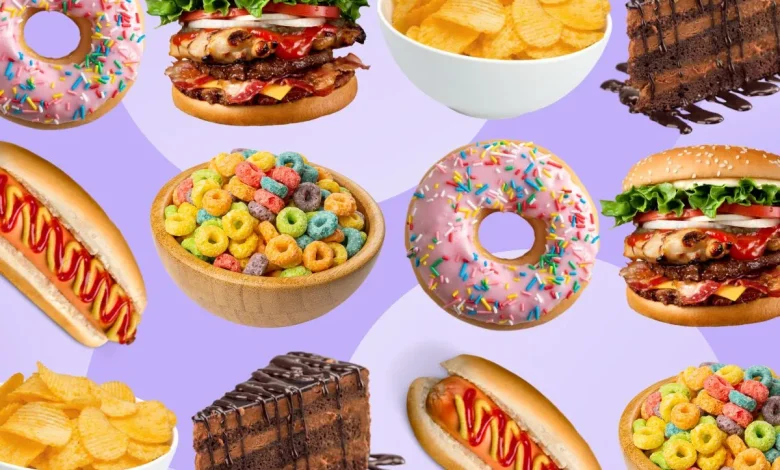
Introduction: Why Experts Warn Against Certain Everyday Foods
Food is one of the greatest influences on your health—yet many items that sit on store shelves today are highly processed, nutrition-poor, and linked to long-term medical risks. According to nutritionists, dietitians, cardiologists, gastroenterologists, and metabolic health experts, certain foods provide almost no benefit to the human body, while significantly increasing your risk of chronic illness such as obesity, diabetes, heart disease, digestive disorders, and even mental health issues.
While occasional indulgence won’t destroy your health, experts argue that some foods are harmful enough that you should avoid buying them altogether. Whether it’s the chemical additives, excessive sugar, inflammatory oils, artificial dyes, or highly refined ingredients, these products contribute nothing positive to your diet—and may even accelerate aging, inflammation, and disease.
10 Worst Foods Specialists Recommend
Below are the 10 worst foods specialists recommend cutting from your shopping list permanently—and what to buy instead.
1. Processed Meats (Bacon, Hot Dogs, Sausages, Deli Meats)
Why Specialists Say Never Buy These Again
Processed meat tops nearly every medical expert’s “never foods” list. Classified as a Group 1 carcinogen by the World Health Organization, these meats contain nitrates, nitrites, excessive sodium, and chemical preservatives that have been linked to:
- Colorectal cancer
- Heart disease
- High blood pressure
- Inflammation
- Increased risk of diabetes
Dietitians also warn that processed meats are often smoked or cured, increasing exposure to harmful compounds like polycyclic aromatic hydrocarbons (PAHs).
Healthier Alternatives
- Fresh chicken or turkey breast
- Lean beef cuts
- Tofu, tempeh, or beans for plant-based protein
2. Sugary Breakfast Cereals
Why Specialists Say They’re the Worst Way to Start Your Day
Many popular cereal brands contain more sugar per serving than a dessert. Combined with refined grains and artificial colors, these cereals offer:
- No fiber
- No healthy fats
- No protein
- A massive blood sugar spike
This leads to insulin resistance, mid-day crashes, increased appetite, and weight gain.
Hidden Danger
Some cereals marketed as “whole grain” are still ultra-processed and contain sugar under 10–15 different names.
Try Instead
- Steel-cut oats
- Greek yogurt with nuts
- Homemade granola (low sugar)
3. Soda and Sugary Drinks
Why Experts Say This Is the #1 Food to Cut for Better Health
Sodas—including diet versions—and sugary beverages such as iced teas, energy drinks, and sports drinks contribute to:
- Obesity
- Diabetes
- Fatty liver disease
- Dental decay
- Chronic inflammation
- Hormonal imbalance
Sugary drinks deliver liquid sugar, which the liver processes extremely quickly, leading to fat buildup and metabolic dysfunction.
Even Diet Soda Is Harmful
Artificial sweeteners disrupt the gut microbiome and may increase cravings, appetite, and cycles of overeating.
What to Drink Instead
- Water
- Herbal teas
- Sparkling water with lemon
- Unsweetened iced tea
4. Packaged Baked Goods (Pastries, Muffins, Donuts, Cakes)
Why Specialists Say These Are Metabolic Time Bombs
Commercial baked products are filled with:
- Trans fats
- High-fructose corn syrup
- White flour
- Artificial flavors
- Chemical preservatives
- Excessive sugar
These foods spike insulin rapidly, promote visceral fat storage, and contain inflammatory oils that increase the risk of heart disease.
Better Alternatives
- Homemade muffins using oats or almond flour
- Dark chocolate (70% or higher)
- Fresh fruit
5. Instant Noodles and Packaged Pasta Cups
What Experts Warn About
Instant noodles are considered one of the most nutritionally poor foods available. They are:
- Deep-fried before packaging
- High in sodium
- Low in protein
- Made with refined flour
- Packed with artificial seasonings and MSG
Doctors warn that high sodium intake is linked to stroke, kidney disease, and hypertension.
Healthy Swaps
- Whole-grain pasta
- Quinoa bowls
- Rice noodles with vegetables
6. Deep-Fried Fast Food
Why Doctors Say This Should Be Eliminated Entirely
Fast food chains use:
- Highly refined oils
- Cheap ingredients
- Artificial flavors
- Additives that extend shelf life
Worse, oils used for frying are reheated repeatedly, producing toxic oxidation products associated with inflammation, heart disease, and digestive issues.
Deep-fried foods also contribute to:
- Weight gain
- Insulin resistance
- High cholesterol
What to Choose Instead
- Baked or air-fried alternatives
- Grilled chicken
- Homemade meals
7. Margarine and Artificial Spreads
Why Specialists Say This “Healthy Swap” Was a Big Mistake
Margarine was once promoted as heart-healthy, but many brands contain:
- Hydrogenated oils
- Trans fats (major heart disease drivers)
- Artificial colors
- Chemical emulsifiers
Even “trans-fat-free” margarine may still contain interesterified fats, which may harm heart health.
Better Choices
- Real butter (in moderation)
- Extra virgin olive oil
- Avocado spread
8. Flavored Yogurts and Pre-Sweetened Dairy Products
Why These Are Hidden Sugar Bombs
What looks like a healthy snack is often loaded with:
- 15–30 grams of sugar per serving
- Artificial fruit flavorings
- Stabilizers and gums
- Corn syrup
This destroys any benefit from probiotics.
Choose Instead
- Plain Greek yogurt
- Add fresh fruit or a teaspoon of honey
- Unsweetened kefir
9. Microwave Popcorn
Why Specialists Warn About Chemicals and Additives
Microwave popcorn may seem harmless, but the bags are often coated in PFAS, chemicals linked to:
- Hormonal disruption
- Immune suppression
- Cancer risk
The artificial butter flavoring can also cause lung irritation when inhaled.
Healthier Popcorn Options
- Air-popped popcorn
- Popcorn on the stovetop using olive or avocado oil
10. Ultra-Processed Frozen Meals
Why Experts Say These Are High-Risk Foods
Frozen dinners—lasagna, frozen pizza, TV dinners, fried chicken meals—are ultra-processed and often contain:
- Extremely high sodium
- Chemical preservatives
- Sugar added for taste
- Inflammatory oils
- Very little real fiber or protein
Frequent consumption is linked to:
- Weight gain
- Blood pressure spikes
- Digestive problems
- Poor metabolic health
- A higher risk of early death
What to Buy Instead
- Fresh ready-made meals from the grocery store
- Cook once, freeze healthy home meals
- Simple whole-food ingredients
How These Foods Harm Your Body Over Time
Experts highlight several major mechanisms:
- Chronic Inflammation
Processed foods trigger inflammation that leads to:
- Heart disease
- Arthritis
- Autoimmune disorders
- Blood Sugar Spikes
Sugar-heavy foods put strain on the pancreas and can cause:
- Insulin resistance
- Diabetes
- Fatty liver
- Gut Microbiome Damage
Chemical additives + artificial sweeteners disrupt good bacteria, leading to:
- Bloating
- Mood disorders
- Poor immunity
- Weight Gain and Obesity
Highly processed foods override hunger cues, leading to overeating.
- Long-Term Disease Risk
Experts consistently link these foods to:
- Cancer
- Stroke
- Heart disease
- Depression
How to Break the Habit: Expert Tips
- Read Ingredient Labels
If you can’t pronounce most ingredients—put it back.
- Shop the Perimeter of the Store
This is where the least processed foods are found.
- Meal Prep Twice a Week
Reduces dependence on instant meals and fast food.
- Replace Sugary Drinks with Infused Water
A simple switch can transform health quickly.
- Buy in Bulk
Whole foods like beans, grains, and nuts are cheaper and healthier.
Conclusion: Your Future Health Starts with Your Next Shopping Trip
The 10 foods listed above are not just “unhealthy”—they are actively harmful, offering no nutritional benefit while contributing to inflammation, chronic disease, and poor long-term health outcomes.
Experts agree: If you eliminate these foods from your shopping cart, you take one of the most powerful steps toward better health, a stronger immune system, improved energy, balanced weight, and longer life.