
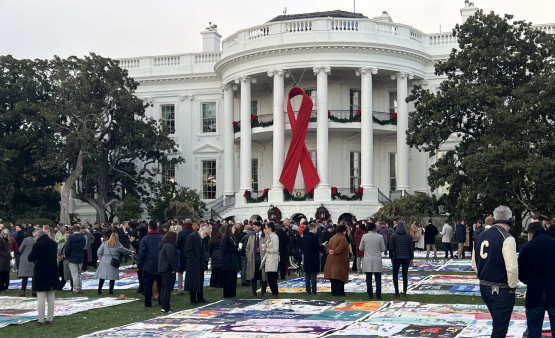
World AIDS Day has long been a global reminder of the devastating impact of the HIV/AIDS epidemic, highlighting the importance of awareness, education, and funding for prevention, treatment, and research. Since its inception in 1988, December 1st has served as a moment for governments, health organizations, and communities to unite in the fight against HIV/AIDS. However, recent reports indicate that the United States government has stopped officially commemorating World AIDS Day. This development has sparked concern among health experts, activists, and the general public, raising questions about the future of HIV/AIDS awareness in the U.S. and the implications for global public health efforts.
The Historical Significance of World AIDS Day
World AIDS Day was first proposed in 1987 by the World Health Organization (WHO) and activist groups in response to the rapid spread of HIV/AIDS in the 1980s. It was formally observed for the first time on December 1, 1988. The day was intended to bring attention to the epidemic, reduce stigma associated with HIV/AIDS, promote testing and treatment, and encourage the allocation of resources for research and prevention. Over the years, it has become a key platform for advocacy, bringing together governments, non-governmental organizations (NGOs), healthcare providers, and communities affected by HIV.
The United States has historically played a prominent role in supporting World AIDS Day, both domestically and internationally. Federal agencies such as the Centers for Disease Control and Prevention (CDC) and the National Institutes of Health (NIH) have promoted awareness campaigns, organized public events, and funded research initiatives. U.S. presidents, from Ronald Reagan to Joe Biden, have issued proclamations to mark the day and highlight the government’s commitment to combating HIV/AIDS.
Recent Developments: Withdrawal of Official Recognition
According to recent announcements, U.S. authorities have ceased issuing official statements or proclamations recognizing World AIDS Day. While the specific reasoning behind this decision has not been fully disclosed, officials have hinted that it may be part of broader shifts in public health priorities. The decision has been met with criticism from activists, healthcare professionals, and international observers who fear that the move could undermine progress in HIV/AIDS prevention and treatment efforts.
The absence of official U.S. backing could have several immediate and long-term consequences:
- Reduced Public Awareness: Government proclamations and campaigns play a crucial role in raising awareness about HIV/AIDS. Without official recognition, public attention to the epidemic may decline, particularly among younger generations who have not witnessed the early days of the crisis.
- Impact on Funding: U.S. federal funding has historically been a significant source of support for HIV/AIDS research, prevention programs, and global initiatives. Although funding allocations may not be directly affected by the lack of a proclamation, the symbolic message of diminished attention could influence budgetary decisions over time.
- Global Implications: The U.S. is a major player in global HIV/AIDS initiatives, including programs led by the United Nations and the Global Fund to Fight AIDS, Tuberculosis, and Malaria. Reduced official acknowledgment of World AIDS Day could signal a shift in priorities, potentially weakening international advocacy and coordination.
Understanding the Context: Shifts in Public Health Policy
The U.S. government’s decision to step back from official commemoration of World AIDS Day should be viewed in the context of evolving public health priorities. The COVID-19 pandemic, rising concerns about mental health, and increasing attention to chronic diseases such as diabetes and cardiovascular conditions have reshaped the focus of health agencies. As a result, certain long-standing initiatives may receive less public attention, even if funding and programs continue in the background.
Experts caution, however, that HIV/AIDS remains a significant public health concern. According to the CDC, approximately 1.2 million people in the U.S. are living with HIV, and nearly 13% of those are unaware of their status. Globally, UNAIDS reports that over 38 million people are living with HIV, highlighting the ongoing need for awareness, prevention, and treatment initiatives.
Reactions from Activists and Health Professionals
The withdrawal of official support has sparked concern among HIV/AIDS activists and public health advocates. Many have expressed that symbolic recognition, while not the only tool in the fight against HIV/AIDS, serves an essential function in maintaining visibility and urgency around the epidemic.
Dr. Linda Thompson, a leading HIV researcher, commented, “Official backing from government authorities signals to the public that HIV/AIDS remains a priority. Without it, there’s a risk that awareness campaigns will lose momentum, especially in communities most affected by the virus.”
Similarly, advocacy groups have voiced fears that marginalized populations—particularly LGBTQ+ communities, people of color, and economically disadvantaged groups—may experience reduced outreach efforts. These communities historically have been disproportionately affected by HIV/AIDS, and sustained awareness campaigns are vital for ensuring access to testing, treatment, and support services.
Potential Implications for HIV/AIDS Funding
While the lack of a formal proclamation does not automatically equate to reduced funding, the symbolic impact cannot be ignored. U.S. federal funding for HIV/AIDS programs, both domestically and internationally, has been substantial over the decades. Initiatives such as the President’s Emergency Plan for AIDS Relief (PEPFAR) and the Ryan White HIV/AIDS Program have saved millions of lives worldwide. Advocates worry that diminishing official recognition of World AIDS Day could signal deprioritization of HIV/AIDS in policy discussions, potentially affecting future budgets and legislative support.
Moreover, public-private partnerships that rely on visibility and governmental endorsement may experience reduced engagement. Pharmaceutical companies, nonprofit organizations, and community health centers often align campaigns with major observances like World AIDS Day to amplify their impact. The absence of official recognition could reduce the incentive to coordinate these efforts on a large scale.
The Role of Public Awareness Campaigns
Public awareness campaigns remain one of the most critical tools in combating HIV/AIDS. Over the years, these campaigns have evolved from fear-based messaging to strategies emphasizing empowerment, education, and destigmatization. Key elements include:
- Testing and Diagnosis: Encouraging individuals to get tested regularly and know their HIV status.
- Treatment and Prevention: Promoting access to antiretroviral therapy (ART) and pre-exposure prophylaxis (PrEP) to prevent transmission.
- Stigma Reduction: Educating the public to reduce prejudice and discrimination against those living with HIV.
- Community Engagement: Mobilizing local organizations to reach at-risk populations.
The absence of a federal proclamation may weaken the visibility of these campaigns, making it imperative for non-governmental organizations and community groups to step in and fill the gap.
Global Perspective: Maintaining the Fight Against HIV/AIDS
Internationally, World AIDS Day continues to be observed with events, campaigns, and public health initiatives. The World Health Organization, UNAIDS, and other organizations have emphasized that HIV/AIDS remains a global health priority. Governments, NGOs, and civil society organizations worldwide use December 1 to highlight progress, challenges, and ongoing needs in HIV/AIDS prevention and treatment.
The U.S. retreat from official recognition does not change the global importance of World AIDS Day, but it could have symbolic ramifications. As one of the world’s largest funders of HIV/AIDS programs, the U.S. plays a critical role in shaping international health priorities. Reduced public acknowledgment may affect how other nations perceive the urgency of continued investment and advocacy.
Potential Solutions and Next Steps
Given the challenges posed by the U.S. withdrawal from official recognition, experts suggest several potential strategies to maintain awareness and momentum:
- Strengthening Community-Led Initiatives: Local organizations, advocacy groups, and grassroots movements can take the lead in promoting awareness and organizing events on World AIDS Day, ensuring that the message reaches those who need it most.
- Leveraging Digital Platforms: Social media campaigns, virtual events, and online educational resources can amplify HIV/AIDS awareness even in the absence of government proclamations.
- Engaging Corporate Partners: Businesses and philanthropic organizations can sponsor campaigns and outreach efforts, filling the gap left by reduced governmental visibility.
- Policy Advocacy: Advocates can continue to push for legislative measures that ensure continued funding, research, and support for HIV/AIDS programs, regardless of ceremonial observances.
- International Collaboration: U.S. agencies and global partners can maintain their funding and research commitments, demonstrating that practical support for HIV/AIDS remains a priority even if ceremonial recognition wanes.
Conclusion
The U.S. government’s decision to stop officially commemorating World AIDS Day marks a significant shift in public recognition of HIV/AIDS. While practical programs and funding may continue, the symbolic impact of this move cannot be underestimated. Awareness, advocacy, and public engagement are essential components of the global fight against HIV/AIDS, and the absence of official recognition poses challenges that must be addressed by communities, NGOs, and international partners.
As the world continues to battle HIV/AIDS, maintaining visibility and urgency remains critical. Public health experts emphasize that even in an era of shifting priorities, HIV/AIDS has not disappeared, and vigilance is required to prevent new infections, support those living with the disease, and continue research toward a cure. In the face of these changes, communities and organizations must take the lead in ensuring that World AIDS Day remains a meaningful and impactful occasion, reminding the world that the fight against HIV/AIDS is far from over.