
Witch hazel is one of nature’s most powerful and versatile plant-based remedies. For centuries, it has been widely used in traditional medicine, skincare, and natural healing practices. From soothing irritated skin to reducing inflammation and even supporting minor wound care, witch hazel continues to be a staple in both home remedies and commercial products. The Uses for Witch hazel, dive into the Benefits for Witch hazel, and carefully examine the Side Effects for Witch hazel to help you understand how to use it safely and effectively.
What Is Witch Hazel?
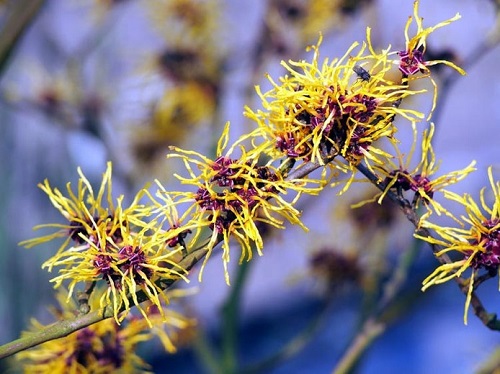
Witch hazel is a plant derived from the Hamamelis genus, primarily Hamamelis virginiana, which is native to North America. The bark, leaves, and twigs of the plant are distilled to create witch hazel extract—a clear liquid known for its astringent and anti-inflammatory properties.
This extract contains natural compounds such as tannins, flavonoids, and essential oils that give witch hazel its healing capabilities. It is commonly found in toners, ointments, wipes, and creams.
Nutritional and Chemical Composition
Witch hazel’s effectiveness comes from its rich chemical profile, including:
- Tannins – Help tighten skin and reduce inflammation
- Flavonoids – Provide antioxidant protection
- Gallic acid – Supports anti-inflammatory effects
- Essential oils – Offer soothing and antimicrobial properties
These compounds make witch hazel a natural remedy for a wide range of conditions.
Top Uses for Witch Hazel
The Uses for Witch hazel are incredibly diverse, making it a must-have in many households. Below are the most popular and effective uses:
1. Skin Toner
Witch hazel is widely used as a natural facial toner. It helps:
- Tighten pores
- Remove excess oil
- Refresh the skin
Apply it with a cotton pad after cleansing for best results.
2. Acne Treatment
Due to its antibacterial and anti-inflammatory properties, witch hazel can:
- Reduce acne-causing bacteria
- Calm redness and swelling
- Prevent future breakouts
3. Soothing Skin Irritation
Witch hazel is effective in treating:
- Rashes
- Eczema
- Minor burns
- Sunburn
Its cooling effect provides immediate relief.
4. Hemorrhoid Relief
One of the most well-known Uses for Witch hazel is for hemorrhoids. It helps:
- Reduce swelling
- Relieve itching
- Soothe discomfort
Witch hazel wipes are commonly used for this purpose.
5. Treating Minor Cuts and Wounds
Witch hazel acts as a natural antiseptic and can:
- Clean wounds
- Prevent infection
- Speed up healing
6. Reducing Puffiness and Dark Circles
Applying witch hazel under the eyes may help:
- Reduce puffiness
- Minimize dark circles
- Tighten delicate skin
7. Scalp Care
Witch hazel can be used on the scalp to:
- Reduce dandruff
- Relieve itchiness
- Balance oil production
8. Bug Bite Relief
It helps soothe insect bites by:
- Reducing itching
- Decreasing swelling
- Preventing infection
9. Post-Shave Treatment
Witch hazel is commonly used after shaving to:
- Prevent razor burn
- Reduce irritation
- Tighten pores
10. Natural Deodorant
Thanks to its antibacterial properties, witch hazel can:
- Neutralize odor
- Reduce sweat bacteria
Benefits for Witch Hazel
The Benefits for Witch hazel go beyond simple skincare. Its natural healing properties make it a powerful addition to your wellness routine.
1. Anti-Inflammatory Properties
Witch hazel is highly effective at reducing inflammation, making it useful for:
- Skin irritation
- Swelling
- Redness
2. Antioxidant Protection
The flavonoids in witch hazel help:
- Protect the skin from free radicals
- Slow signs of aging
- Improve overall skin health
3. Astringent Effects
Its natural astringent properties help:
- Tighten skin
- Minimize pores
- Control excess oil
4. Antibacterial Action
Witch hazel can fight harmful bacteria, making it ideal for:
- Acne-prone skin
- Minor infections
- Wound care
5. Relief from Skin Conditions
It can help manage:
- Eczema
- Psoriasis
- Dermatitis
6. Natural Healing Agent
Witch hazel supports the body’s natural healing process by:
- Reducing inflammation
- Promoting tissue repair
- Preventing infection
7. Gentle on Skin
Unlike harsh chemicals, witch hazel is generally:
- Mild
- Non-irritating
- Suitable for sensitive skin
Side Effects for Witch Hazel
While witch hazel is generally safe, it’s important to understand the potential Side Effects for Witch hazel before using it regularly.
1. Skin Dryness
Overuse can lead to:
- Dry skin
- Tightness
- Flaking
This is due to its strong astringent properties.
2. Skin Irritation
Some people may experience:
- Redness
- Burning sensation
- Allergic reactions
Always perform a patch test before use.
3. Sensitivity in Certain Skin Types
People with very sensitive or damaged skin may find witch hazel too harsh.
4. Interaction with Other Products
Using witch hazel alongside strong skincare products (like retinoids or acids) may:
- Increase irritation
- Cause dryness
5. Internal Use Risks
Although sometimes used internally in small amounts, excessive consumption can cause:
- Stomach upset
- Liver issues
Always consult a healthcare professional before ingesting witch hazel.
How to Use Witch Hazel Safely
To maximize the Uses for Witch hazel while avoiding side effects, follow these tips:
1. Patch Test First
Apply a small amount on your wrist or behind your ear to check for reactions.
2. Use in Moderation
Avoid overusing witch hazel, especially if you have dry or sensitive skin.
3. Choose Alcohol-Free Formulas
Alcohol-based witch hazel can be more drying. Opt for alcohol-free versions when possible.
4. Combine with Moisturizers
Always follow up with a moisturizer to prevent dryness.
5. Avoid Overlapping Harsh Ingredients
Do not mix with strong exfoliants or acids unless advised by a professional.
Witch Hazel in Skincare Products
Witch hazel is commonly found in:
- Facial toners
- Cleansers
- Acne treatments
- Aftershaves
- Baby wipes
When buying products, check labels to ensure they contain natural witch hazel extract without excessive additives.
DIY Witch Hazel Remedies
Here are a few simple ways to use witch hazel at home:
1. DIY Toner
Mix witch hazel with rose water for a refreshing toner.
2. Acne Spot Treatment
Apply directly to blemishes using a cotton swab.
3. Cooling Spray
Combine witch hazel with aloe vera and water in a spray bottle for sunburn relief.
4. Scalp Treatment
Massage witch hazel into the scalp before washing your hair.
Who Should Use Witch Hazel?
Witch hazel is suitable for:
- People with oily or acne-prone skin
- Individuals seeking natural remedies
- Those dealing with minor skin irritations
However, those with extremely dry or sensitive skin should use it cautiously.
Who Should Avoid Witch Hazel?
Avoid or limit use if you:
- Have very dry skin
- Are allergic to plant-based extracts
- Experience irritation after use
Consult a dermatologist if unsure.
Frequently Asked Questions
Is witch hazel safe for daily use?
Yes, but moderation is key. Daily use is generally safe for oily skin but may be too drying for others.
Can witch hazel help with acne scars?
It may help reduce redness and improve skin tone, but it won’t completely remove deep scars.
Is witch hazel good for hair?
Yes, it can soothe the scalp and reduce dandruff.
Can you drink witch hazel?
Internal use should only be done under professional guidance.
Conclusion
Witch hazel is a powerful natural remedy with a wide range of applications. From skincare to minor medical uses, the Uses for Witch hazel are extensive and well-supported by its natural properties. The Benefits for Witch hazel include anti-inflammatory, antibacterial, and antioxidant effects that promote healthier skin and overall wellness.
However, like any natural remedy, it’s important to be aware of the Side Effects for Witch hazel, especially if you have sensitive skin or use it excessively.
When used correctly, witch hazel can be a valuable addition to your daily routine—offering a natural, affordable, and effective way to care for your skin and body.