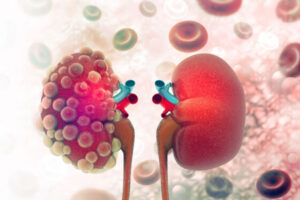
Polycystic kidney disease (PKD) is a genetic disorder characterized by the growth of numerous cysts in the kidneys. These cysts can enlarge the kidneys and disrupt their normal functioning, leading to complications such as high blood pressure, kidney infections, and even kidney failure. While there is no definitive cure for PKD, managing the condition through lifestyle choices—particularly diet—can help slow its progression and improve quality of life. The optimal diet for polycystic kidney disease and explore natural remedies that may complement dietary interventions.
The Importance of Diet in Managing Polycystic Kidney Disease
Diet plays a crucial role in managing Polycystic Kidney Disease because the kidneys are directly responsible for filtering waste and excess nutrients from the bloodstream. When kidney function is compromised, it becomes essential to regulate the intake of certain foods to prevent further strain on these vital organs. A carefully planned diet can help control symptoms, delay disease progression, and maintain overall health.
The focus of a PKD-friendly diet is to:
- Support kidney function by reducing the workload on the kidneys.
- Control blood pressure, as hypertension is a common complication of Polycystic Kidney Disease.
- Prevent complications such as kidney stones, infections, and cardiovascular issues.
- Enhance overall well-being by providing essential nutrients.
Key Components of a Diet for Polycystic Kidney Disease
1. Limit Sodium Intake
High sodium consumption can lead to elevated blood pressure, which is a major concern for people with Polycystic Kidney Disease. To manage sodium levels:
- Aim to consume no more than 1,500-2,300 milligrams of sodium per day.
- Avoid processed foods such as canned soups, deli meats, and fast foods, as they are often high in sodium.
- Use herbs and spices like garlic, turmeric, and rosemary to flavor meals instead of salt.
2. Focus on Plant-Based Proteins
Excessive protein intake can strain the kidneys by increasing the production of waste products that need to be filtered. While protein is essential, choosing the right sources is critical:
- Incorporate plant-based proteins like lentils, chickpeas, quinoa, and tofu.
- Limit red meat and processed meats, which can be hard on the kidneys.
- Consume moderate amounts of fish and eggs if needed, but prioritize plant-based options.
3. Control Phosphorus Levels
High levels of phosphorus can build up in the blood when the kidneys are not functioning properly, leading to issues like bone weakness and cardiovascular complications. To manage phosphorus:
- Avoid high-phosphorus foods such as dairy products, cola drinks, and processed foods.
- Opt for phosphorus-free alternatives like almond milk or rice milk.
- Read labels to check for added phosphorus, often listed as “phosphate” or similar terms.
4. Monitor Potassium Intake
While potassium is essential for heart and muscle function, excess potassium can be dangerous for people with reduced kidney function. Tips to manage potassium levels include:
- Limit high-potassium foods like bananas, oranges, potatoes, and spinach.
- Opt for low-potassium alternatives such as apples, berries, cauliflower, and zucchini.
- Consult with a dietitian to tailor potassium intake based on your blood test results.
5. Increase Water Consumption
Staying hydrated is critical for people with Polycystic Kidney Disease, as it helps flush out toxins and reduces the risk of kidney stones. Aim to drink at least 2-3 liters of water per day, unless your healthcare provider advises otherwise.
6. Incorporate Antioxidant-Rich Foods
Oxidative stress can worsen kidney damage in Polycystic Kidney Disease patients. Consuming antioxidant-rich foods can help combat this:
- Add berries, such as blueberries and strawberries, to your diet.
- Include leafy greens like kale and Swiss chard, but monitor potassium levels.
- Enjoy other antioxidant-packed foods like nuts, seeds, and dark chocolate in moderation.
Sample Meal Plan for Polycystic Kidney Disease
Breakfast
- Oatmeal with almond milk, topped with fresh blueberries and a drizzle of honey.
- Herbal tea or a glass of water.
Mid-Morning Snack
- A small handful of unsalted almonds and a sliced apple.
Lunch
- Quinoa salad with cucumbers, cherry tomatoes, parsley, and a lemon-tahini dressing.
- Grilled tofu or chickpeas for added protein.
Afternoon Snack
- Rice cakes with a thin layer of almond butter.
Dinner
- Grilled salmon (or a plant-based alternative) with steamed cauliflower and roasted zucchini.
- A side of brown rice.
Evening Snack
- A small bowl of mixed berries.
Natural Remedies for Polycystic Kidney Disease
In addition to dietary adjustments, some Natural Remedies for Polycystic Kidney Disease may support kidney health and alleviate Polycystic Kidney Disease symptoms. While these remedies should not replace medical treatment, they can complement your overall management plan. Always consult your healthcare provider before trying new remedies.
1. Herbal Teas
Certain herbal teas can support kidney function and reduce inflammation:
- Nettle tea: Helps detoxify the kidneys and reduce inflammation.
- Dandelion root tea: Acts as a natural diuretic, promoting urine production.
- Green tea: Rich in antioxidants, it may help reduce oxidative stress in the kidneys.
2. Turmeric
Turmeric contains curcumin, a compound with powerful anti-inflammatory and antioxidant properties. Adding turmeric to your meals or taking it as a supplement may help reduce inflammation associated with Polycystic Kidney Disease.
3. Omega-3 Fatty Acids
Found in fatty fish like salmon and mackerel, as well as in flaxseeds and walnuts, omega-3 fatty acids have anti-inflammatory properties that may benefit kidney health.
4. Probiotics
Maintaining gut health is important for overall well-being, including kidney function. Foods rich in probiotics, such as yogurt (low-phosphorus and low-sodium options), kimchi, and sauerkraut, can promote a healthy gut microbiome.
5. Cranberry Extract
Cranberries are known to support urinary tract health and may help prevent kidney infections, a common complication of Polycystic Kidney Disease. Opt for unsweetened cranberry juice or cranberry supplements.
6. Garlic
Garlic is a natural anti-inflammatory and may help lower blood pressure. Incorporate fresh garlic into your meals for added flavor and health benefits.
Foods to Avoid with Polycystic Kidney Disease
Certain foods can worsen kidney function or lead to complications in people with Polycystic Kidney Disease. Avoiding these foods can make a significant difference in managing the condition:
- Processed and Packaged Foods: These are often high in sodium and phosphorus additives.
- Sugary Beverages: Soft drinks and sweetened juices can contribute to weight gain and increase the risk of kidney stones.
- High-Fat and Fried Foods: These can exacerbate inflammation and contribute to cardiovascular issues.
- Excessive Alcohol: Alcohol can strain the kidneys and increase blood pressure.
Lifestyle Tips for Polycystic Kidney Disease Management
In addition to a PKD-friendly diet and natural remedies, certain lifestyle changes can further enhance your overall health:
- Maintain a Healthy Weight: Excess weight can increase the strain on your kidneys and elevate blood pressure.
- Exercise Regularly: Low-impact activities like walking, yoga, and swimming can improve cardiovascular health without putting stress on your kidneys.
- Manage Stress: Chronic stress can worsen hypertension and inflammation. Practice mindfulness, meditation, or deep-breathing exercises to stay relaxed.
- Avoid Smoking: Smoking can accelerate kidney damage and increase the risk of cardiovascular complications.
When to Consult a Healthcare Provider
While diet and natural remedies can significantly improve quality of life, Polycystic Kidney Disease is a complex condition that requires ongoing medical supervision. Regular check-ups with your healthcare provider are essential to:
- Monitor kidney function and blood pressure.
- Adjust dietary plans based on your specific needs.
- Manage complications such as infections or kidney stones.
- Evaluate the potential benefits of medications or other treatments.
Conclusion
The diet for polycystic kidney disease is a cornerstone of managing the condition and enhancing quality of life. By limiting sodium, controlling protein intake, and incorporating antioxidant-rich foods, you can support your kidney health and reduce the risk of complications. Additionally, natural remedies such as herbal teas, turmeric, and omega-3 fatty acids may provide complementary benefits. Combined with lifestyle changes and regular medical care, these strategies can empower individuals with PKD to take control of their health and well-being.