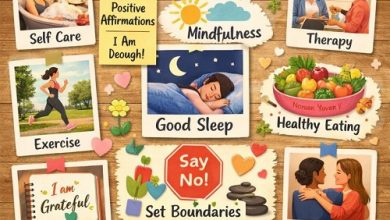


Living with a chronic medical condition affects far more than the body. It influences how you think, how you feel, and how you engage with everyday life. Many people focus on physical symptoms, treatment plans, and clinical appointments, yet the emotional and psychological impact often receives less attention. If you manage a long-term illness such as arthritis, diabetes, chronic pain, or digestive conditions like achalasia, your mental wellbeing becomes just as important as your physical health. By recognising this connection, you can support yourself more effectively and improve your daily functioning.
How chronic conditions influence mental health, why emotional wellbeing deserves equal consideration, and how you can build strategies that support both mind and body. Achalasia is one example that illustrates how persistent symptoms can affect mood, social confidence, and day-to-day activities, but the principles apply across the full range of long-term illnesses. You will also find practical guidance that helps you feel more in control and more supported, no matter where you are in your health journey.
Why Mental Health Matters When Living with Chronic Illness
Chronic conditions bring ongoing challenges. You may feel discomfort, fatigue, or uncertainty about the future. You might also face changes in mobility, appetite, sleep, or energy levels. These physical changes naturally influence emotional wellbeing, even if you usually feel resilient.
Many people living with long-term illness experience:
- Increased stress
- Worry about symptoms or flare-ups
- Feelings of frustration or sadness
- A sense of isolation
- Difficulty concentrating
- Reduced motivation
None of these reactions mean you are failing. They are natural responses to ongoing strain. When your body demands constant effort, your mind does too. Paying attention to your mental health makes it easier to manage symptoms, follow treatment plans, maintain relationships, and make healthier choices.
Some conditions cause more specific emotional challenges. For instance, digestive disorders like achalasia can influence confidence around eating in public, eating with friends, or maintaining a varied diet. This emotional load can trigger anxiety, avoidance behaviours, or social withdrawal. A supportive approach to mental wellbeing helps reduce this impact.
How Chronic Conditions Affect Emotional Wellbeing
The relationship between physical and emotional health works in both directions. Each one influences the other every day.
The Impact of Persistent Symptoms
Living with daily symptoms requires mental effort. Whether you experience pain, discomfort, restricted movement, or digestive issues, the constant background strain can lead to emotional fatigue. Small tasks may feel harder than before. You may feel irritated or short-tempered without knowing why. This is a common experience, and acknowledging it is the first step towards healthier coping strategies.
The Emotional Effects of Loss and Change
Chronic illness often forces changes in routines, habits, or independence. If you once enjoyed physical activities, social events, or a fast-paced lifestyle, you may feel a sense of loss when symptoms slow you down. Even if your condition is well managed, adapting to a new version of daily life can trigger sadness or frustration.
The Stress of Unpredictability
Many chronic illnesses have unpredictable symptoms. You might wake up feeling well one day and uncomfortable the next. This unpredictability can create worry, especially if you have social plans, work meetings, or activities that require energy. The constant need to plan around symptoms may increase anxiety or cause you to avoid commitments.
The Impact on Identity and Self-Esteem
Illness can influence how you see yourself. If your condition affects physical appearance, energy levels, or confidence, you may feel less secure or worry about how others perceive you. Recognising this emotional shift helps you rebuild self-esteem in new and meaningful ways.
Chronic Illness and Anxiety: Why It Happens
Anxiety is common among people with long-term medical conditions. This does not mean you are overly sensitive or imagining symptoms. Instead, it reflects the genuine demands of managing an unpredictable and ongoing health challenge.
You may feel anxious because:
- You worry about future symptoms
- You fear medical procedures or tests
- You feel pressure to “keep up” socially or professionally
- You are afraid of being a burden
- You feel unsure how to explain your condition to others
In conditions like achalasia, you might feel anxious about mealtimes, especially if you worry about difficulty swallowing or discomfort. This anxiety may come and go, often depending on how stable your symptoms feel.
Understanding your triggers gives you more control, and it helps you communicate your needs to friends, family, and healthcare professionals.
Chronic Illness and Low Mood or Depression
Low mood is another common response to the ongoing effort of managing health issues. This does not always progress to clinical depression, but it may feel like:
- Reduced interest in activities
- Finding it harder to look forward to things
- Feeling flat or emotionally drained
- Feeling guilty for being less active or social
- Having difficulty staying motivated
If these feelings last more than a few weeks or interfere with daily life, consider speaking to a healthcare provider. You are not alone, and support is available.
Practical Strategies That Support Mental Health
Improving mental wellbeing involves small, consistent steps rather than major changes. You can choose the strategies that fit your lifestyle and needs.
Build a Supportive Routine
Creating a routine helps you feel more grounded, especially when symptoms fluctuate. Your routine can include:
- Regular mealtimes
- Gentle physical activity
- Short relaxation sessions
- Social contact
- Adequate rest
For conditions with unpredictable symptoms, building in flexibility helps reduce pressure.
Use Breathing and Relaxation Techniques
Simple breathing exercises can reduce stress, calm the mind, and help you feel more in control. For example, slow breathing helps reduce anxiety linked to conditions like achalasia, where tension can worsen symptoms. You can practise breathing techniques at home, at work, or before meals if that helps ease physical discomfort.
Stay Connected with Others
Isolation can amplify emotional distress. Staying connected with family, friends, or support groups helps reduce feelings of loneliness. Many people find comfort in speaking with others who share similar experiences.
You may also consider structured peer groups, whether online or local, to share experiences and learn from others managing long-term conditions.
Explore Natural Support Options
Some people explore herbal or natural approaches to support wellbeing during chronic illness. If you choose to do this, make sure you research evidence-based options and speak to a qualified professional before starting any new supplement.
People often explore Herbal Care Products as part of their wellbeing plan, and some use the Best organic herbal supplements to support general health alongside medical treatment. Any natural method should complement your care plan rather than replace it.
Seek Professional Mental Health Support
Psychological therapies, such as cognitive behavioural therapy (CBT), counselling, or mindfulness-based interventions, can be highly beneficial. These therapies help you manage worry, restructure unhelpful thoughts, and respond to symptoms in a calmer and more supportive way.
You do not have to wait until emotions become overwhelming. Seeking support early helps prevent issues from escalating.
Focus on What You Can Control
Chronic illness often brings challenges that feel outside your control. But you can focus on the aspects that remain within your influence, including:
- How you pace your activities
- How you respond to stress
- How you communicate your needs
- How you organise your day
- How you build rest into your routine
This approach helps shift your focus from fear to empowerment.
The Emotional Impact of Specific Chronic Conditions
Although every long-term illness has its unique features, many share psychological patterns. Achalasia is one condition that highlights the link between physical symptoms and emotional wellbeing.
Achalasia and Mental Wellbeing
Achalasia affects the ability of the oesophagus to move food efficiently into the stomach. This can lead to difficulty swallowing, discomfort, and changes in eating habits. Many people with achalasia experience:
- Worry about eating in public
- Anxiety before mealtimes
- Frustration with dietary restrictions
- Emotional distress during flare-ups
- Fear of choking
These reactions are common, and they highlight how closely the digestive system and emotional responses are connected. Some people explore supportive care methods, such as a Natural Remedy for Achalasia, to manage symptoms alongside conventional treatment. Managing the emotional impact is just as important as addressing the physical elements.
Creating a Health Team That Supports Your Mental Wellbeing
Managing a chronic condition works best when you feel understood by your healthcare providers. Your health team can include:
- Doctors
- Specialist nurses
- Psychologists or counsellors
- Dietitians
- Physiotherapists
- Support groups
Sharing emotional concerns with professionals helps them understand your needs more clearly. It also helps them adapt your care plan so it supports both your physical and emotional wellbeing.
Lifestyle Habits That Strengthen Mental Health
Healthy daily habits can reduce emotional strain and help you cope better with symptoms.
Balanced Nutrition
Eating nutritious meals supports brain function, energy levels, and mood. If you have achalasia or another digestive condition, working with a dietitian can help you adjust food textures and habits in a way that feels comfortable.
Gentle Movement
Exercise improves mood by releasing endorphins and reducing stress. Even gentle activities such as stretching, walking, or yoga can bring emotional benefits.
Quality Sleep
Sleep plays a crucial role in emotional stability. Poor sleep can increase irritability, reduce focus, and heighten anxiety. Establishing a calming bedtime routine supports better rest.
Reducing Stress Triggers
Chronic stress intensifies symptoms for many conditions. Identifying your stress triggers helps you manage them more effectively. This may include adjusting work routines, improving time management, or setting clearer boundaries with others.
Practising Self-Compassion
Living with a chronic illness requires patience and kindness towards yourself. Acknowledge that difficult days happen. Instead of criticising your limitations, recognise the strength it takes to manage ongoing health challenges.
The Importance of Communication
Clear communication with family, friends, and healthcare professionals builds stronger support networks. Sharing your concerns reduces misunderstandings and helps others respond more helpfully.
You may decide to:
- Explain your condition to close friends
- Let family members know how symptoms affect you
- Ask for help on challenging days
- Discuss workplace adjustments with your employer
Healthy communication reduces emotional pressure and helps you feel more understood.
Looking After Your Mental Health Long Term
Chronic illness is an ongoing experience. Some phases feel stable, while others feel demanding. Emotional wellbeing requires continuous attention, but this does not mean constant effort. It simply means checking in with yourself, adjusting your strategies when needed, and seeking support when necessary.
Long-term mental health care can include:
- Regular counselling or check-ins
- Routine exercise
- Positive social connections
- Meaningful hobbies
- Structured rest
- Healthy coping strategies
By combining these elements, you create a supportive environment for both mind and body.
Final Thoughts
Living with a chronic medical condition affects every aspect of life, including your emotional wellbeing. The connection between physical and mental health is strong, and recognising it helps you respond to challenges more effectively. Illnesses such as achalasia illustrate how symptoms, routines, and daily experiences influence mood, confidence, and quality of life.
By adopting supportive habits, seeking help when you need it, exploring supportive options such as the Best organic herbal supplements, and maintaining strong communication with others, you give yourself the best chance to thrive despite ongoing health challenges. Whether you explore psychological therapies, lifestyle changes, or complementary approaches through Herbal Care Products, your mental wellbeing deserves care, respect, and consistent attention.
If you continue to nurture your emotional health alongside your physical treatment, you build resilience, improve daily functioning, and create a more balanced, fulfilling life — even with a chronic condition.