

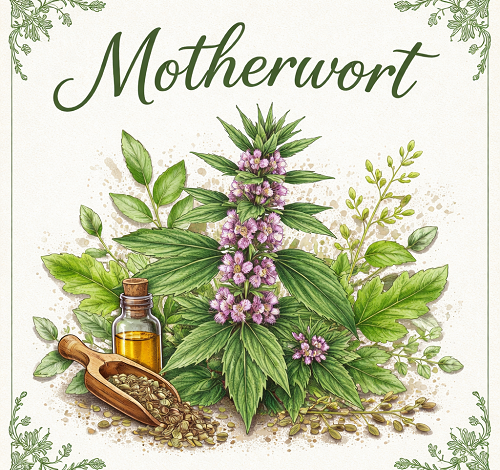
Motherwort is a traditional herbal remedy that has been valued for centuries for its calming and heart-supporting properties. Known scientifically as Leonurus cardiaca, this herb belongs to the mint family and has been widely used in European and Asian herbal medicine. Today, it continues to gain attention for its potential role in supporting heart health, reducing anxiety, and balancing hormonal issues. The Uses & Benefits for Motherwort, along with important information about the Side Effects for Motherwort, so you can make an informed decision before incorporating it into your routine.
What Is Motherwort?
Motherwort is a perennial herb characterised by its jagged leaves and small pink or purple flowers. Its name reflects its long-standing use in supporting women’s health, particularly during pregnancy and menstruation.
Traditionally, herbalists have used motherwort as a tonic for the heart and nervous system. Its bitter taste may not be pleasant, but its medicinal value has made it a staple in herbal remedies for generations.
Nutritional and Active Compounds in Motherwort
Motherwort contains a range of bioactive compounds that contribute to its therapeutic effects, including:
- Alkaloids (such as leonurine)
- Flavonoids
- Tannins
- Iridoids
- Essential oils
These compounds work together to provide calming, antioxidant, and mild anti-inflammatory effects, which explain many of the herb’s traditional uses.
Uses & Benefits for Motherwort
Motherwort is widely used in herbal medicine for its broad range of health benefits. Below are some of the most notable ways this herb may support your wellbeing.
1. Supports Heart Health
One of the most well-known Uses & Benefits for Motherwort is its ability to support cardiovascular health. The herb is often referred to as a “cardiotonic,” meaning it helps strengthen and regulate heart function.
Motherwort may:
- Help regulate irregular heartbeats
- Improve circulation
- Reduce mild palpitations linked to anxiety
Its calming effect on the nervous system also contributes to overall heart health, especially in stress-related conditions.
2. Reduces Anxiety and Stress
Motherwort has natural calming properties that make it useful for managing anxiety and emotional tension. It acts as a mild sedative, helping to relax the nervous system without causing heavy drowsiness.
People often use motherwort to:
- Ease nervous tension
- Improve sleep quality
- Reduce irritability
This makes it particularly helpful during stressful periods or emotional imbalance.
3. Supports Women’s Health
Historically, motherwort has been strongly associated with women’s reproductive health. One of the key Uses & Benefits for Motherwort is its role in regulating menstrual cycles and easing related discomfort.
It may help with:
- Menstrual cramps
- Irregular periods
- Premenstrual syndrome (PMS)
Additionally, motherwort has been used after childbirth to support uterine recovery and emotional stability.
4. May Help Manage Blood Pressure
Motherwort may assist in maintaining healthy blood pressure levels, especially when elevated due to stress or anxiety.
Its relaxing effect on blood vessels may help:
- Reduce mild hypertension
- Improve circulation
- Support overall cardiovascular balance
However, it should not replace prescribed medication without medical guidance.
5. Aids Digestive Health
The bitter compounds in motherwort can stimulate digestion. Like many bitter herbs, it may promote the production of digestive enzymes and improve appetite.
Potential digestive benefits include:
- Relief from bloating
- Improved digestion
- Reduced gas discomfort
6. Supports Thyroid Function
Some herbal practitioners use motherwort to support an overactive thyroid (hyperthyroidism). It may help reduce symptoms such as rapid heartbeat and anxiety.
While promising, more research is needed to confirm its effectiveness in this area.
7. Anti-inflammatory and Antioxidant Effects
Motherwort contains antioxidants that help protect the body from oxidative stress. These properties may contribute to overall health and reduce inflammation.
This benefit supports:
- Cellular health
- Immune function
- General wellbeing
8. May Help with Menopausal Symptoms
Motherwort is sometimes used to ease symptoms associated with menopause, including:
- Hot flashes
- Mood swings
- Anxiety
Its calming and hormone-balancing effects make it a natural option for women seeking gentle support during this transition.
How to Use Motherwort
Motherwort is available in several forms, allowing you to choose what best suits your lifestyle.
1. Tea
Motherwort tea is made by steeping dried leaves in hot water. While effective, its bitter taste can be strong, so it is often mixed with other herbs.
2. Tincture
A tincture is a concentrated liquid extract. This is one of the most common and convenient ways to use motherwort.
3. Capsules or Tablets
For those who prefer a tasteless option, capsules provide a measured dose and are easy to incorporate into daily routines.
4. Powder
Motherwort powder can be added to smoothies or herbal blends, although the taste may still be noticeable.
Recommended Dosage
The appropriate dosage of motherwort can vary depending on the form and individual needs. General guidelines include:
- Tea: 1–2 teaspoons of dried herb per cup, up to 2 times daily
- Tincture: 1–4 ml, up to 3 times daily
- Capsules: Follow manufacturer instructions
It is always best to consult a qualified healthcare provider before starting any herbal supplement.
Side Effects for Motherwort
While motherwort is generally considered safe when used appropriately, it is important to understand the potential Side Effects for Motherwort.
1. Digestive Upset
Some people may experience mild digestive issues, including:
- Stomach discomfort
- Diarrhoea
This is more likely when taken in large amounts.
2. Allergic Reactions
Although rare, allergic reactions can occur. Symptoms may include:
- Skin rash
- Itching
- Swelling
If any of these occur, discontinue use immediately.
3. Increased Bleeding Risk
Motherwort may have mild blood-thinning effects. This could increase the risk of bleeding, especially if combined with anticoagulant medications.
4. Uterine Stimulation
One of the most important Side Effects for Motherwort is its potential to stimulate the uterus.
Because of this:
- It should not be used during pregnancy
- It may increase the risk of miscarriage
5. Interaction with Medications
Motherwort may interact with certain medications, including:
- Blood pressure medications
- Sedatives
- Thyroid medications
Always consult your healthcare provider if you are taking any prescription drugs.
6. Drowsiness
Due to its calming effects, motherwort may cause mild drowsiness in some individuals. Avoid operating heavy machinery if you feel sleepy after taking it.
Who Should Avoid Motherwort?
Motherwort is not suitable for everyone. You should avoid or use caution if you:
- Are pregnant or breastfeeding
- Have a bleeding disorder
- Are scheduled for surgery
- Take heart or blood pressure medications
Consult a healthcare professional before use if you fall into any of these categories.
Tips for Safe Use
To maximise the Uses & Benefits for Motherwort while minimising risks:
- Start with a low dose
- Monitor your body’s response
- Avoid long-term use without professional guidance
- Choose high-quality, reputable products
Final Thoughts
Motherwort is a powerful herbal remedy with a long history of use in traditional medicine. From supporting heart health to easing anxiety and promoting hormonal balance, the Uses & Benefits for Motherwort are wide-ranging and valuable.
However, like any natural remedy, it is essential to approach it with care. Understanding the potential Side Effects for Motherwort ensures that you can use it safely and effectively.
If you are considering adding motherwort to your wellness routine, speak with a qualified healthcare provider—especially if you have existing health conditions or are taking medication.