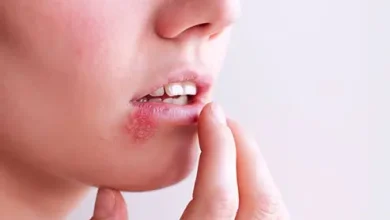

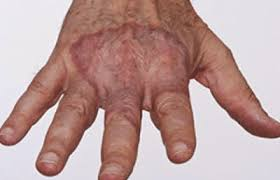
Granuloma annulare is a chronic, inflammatory skin condition known for its circular or ring-shaped lesions. While it is medically considered harmless, the emotional and psychological impact can be significant—especially when flare-ups appear suddenly or persist for months. One of the most frequently discussed but lesser-understood triggers is granuloma annulare stress, a topic that has gained much attention among patients looking for long-term relief.
For many individuals, stress does not just affect their mood—its effects seem to show directly on the skin. This has led dermatologists and holistic practitioners to explore the link between granuloma annulare and stress, and whether stress management can improve skin recovery. In this comprehensive guide, we dive deep into the science, emotional impact, treatment strategies, and how supportive approaches like Herbal Supplements for Granuloma Annulare can contribute to healing.
Understanding Granuloma Annulare and Its Connection to Stress
Granuloma annulare (GA) typically appears as small bumps forming circular red, skin-colored, or purple patches. Though its exact cause remains unknown, researchers believe the condition is linked to an overactive immune response. Because stress plays a major role in influencing immune function, many wonder:
Can granuloma annulare be caused by stress?
Can stress cause granuloma annulare?
While stress may not be the primary cause, mounting evidence shows it can be a trigger or worsening factor. Many patients report flare-ups following emotional or physical stress, such as:
- Work pressure
- Emotional trauma
- Chronic anxiety
- Lack of sleep
- Hormonal imbalance
- Major life transitions
This makes granuloma annulare caused by stress a topic worth understanding for those seeking better control over their symptoms.
How Stress Affects the Immune System and Skin
To understand the link between granuloma annulare and stress, it’s essential to explore what happens inside the body under prolonged stress.
1. Stress Activates the Immune System
Stress signals the body to release cortisol and adrenaline. These hormones help you survive danger, but when they stay high for too long, they disrupt immune function.
An imbalanced immune system may trigger inflammatory conditions, including skin disorders like:
- Eczema
- Psoriasis
- Granuloma annulare
2. Stress Slows Skin Healing
Chronic stress can delay wound healing and reduce skin regeneration. This may explain why GA lesions last longer during stressful periods.
3. Stress Increases Inflammation
Granuloma annulare is believed to involve inflammatory cell reactions in the skin. Stress amplifies inflammation, resulting in worsening symptoms.
4. Stress Can Trigger Behavioral Patterns That Aggravate Skin
Examples include:
- Picking at the skin
- Sleep deprivation
- Poor diet
- Increased smoking or caffeine intake
These can indirectly worsen the appearance of GA patches.
Can Granuloma Annulare Be Caused by Stress? What Research Says
Medical research has not yet proven that stress is the direct cause of granuloma annulare. However, studies and patient reports strongly suggest that:
- Stress plays a significant role in triggering flare-ups
- Stress may extend the duration of active lesions
- Stress may contribute to chronic, widespread GA
Patients often notice flare-ups during periods of emotional stress or after major life events. Because of this, managing granuloma annulare stress has become an essential part of holistic treatment plans.
Signs That Stress May Be Aggravating Granuloma Annulare
Although every individual is different, common indicators include:
1. Sudden Flare-Ups After Stressful Events
Many report GA appearing weeks after a stressful experience.
2. Lesions That Do Not Respond to Treatment
Stress can weaken the effectiveness of prescribed topical or oral medications.
- Repeated Cycles of Healing and Recurrence
If your GA disappears and returns frequently, stress may be playing a role.
4. Worsened Skin Condition During Anxiety or Depression
Emotional health significantly influences skin health.
Managing Granuloma Annulare Stress: Strategies for Better Skin Recovery
To support healing, it is important to adopt a multi-directional approach that includes lifestyle changes, emotional support, and natural remedies—including Herbal Supplements for Granuloma Annulare.
Below are effective strategies to manage the stress-skin cycle.
1. Stress-Reduction Techniques That Improve Skin Recovery
Mindfulness Meditation
Slows down your body’s stress response and reduces inflammation.
Deep Breathing Exercises
Reduces cortisol levels, improves sleep, and calms the immune system.
Yoga and Stretching
Improves circulation and balances hormones.
Guided Relaxation or Visualization
Helps break anxiety patterns linked to flare-ups.
Positive Self-Affirmations
Encourages emotional resilience, which supports long-term recovery.
2. Improve Sleep Quality
Poor sleep increases inflammation and weakens immunity. Try:
- Sleeping at the same time daily
- Avoiding screens at night
- Using calming teas like chamomile
- Taking magnesium supplements if approved by your doctor
Good sleep is essential in breaking the granuloma annulare stress cycle.
3. Anti-Inflammatory Diet for Skin Health
Food plays a huge role in immune regulation. Focus on:
- Turmeric
- Ginger
- Berries
- Green leafy vegetables
- Walnuts
- Fatty fish (rich in omega-3)
- Olive oil
Avoid processed foods that promote inflammation.
4. Herbal Supplements for Granuloma Annulare
Natural remedies have become increasingly popular for autoimmune and inflammatory skin conditions. Some of the Best Herbal Supplements Products for granuloma annulare support immune balance, reduce inflammation, and promote skin repair.
a. Turmeric (Curcumin)
A powerful anti-inflammatory that may help reduce lesion redness and swelling.
b. Ashwagandha
Known for its stress-lowering ability, it directly helps break the granuloma annulare stress cycle.
c. Boswellia
Reduces inflammation at a cellular level, often used for autoimmune conditions.
d. Milk Thistle
Supports liver detoxification, which may reduce skin flare-ups.
e. Aloe Vera Extract
Promotes skin healing and reduces irritation.
f. Reishi Mushroom
A natural immune modulator that may help prevent GA recurrence.
g. Omega-3 Supplements
Lower inflammation and support skin elasticity.
When choosing the Best Herbal Supplements Products, ensure they are:
- Pure and tested
- Free from harmful additives
- From reputable brands
Always consult a healthcare professional before starting supplements, especially if you are on medication or pregnant.
5. Emotional Well-Being and Counseling
Living with chronic skin conditions can impact self-esteem. Counseling or therapy may help:
- Reduce emotional stress
- Improve coping mechanisms
- Prevent overthinking and anxiety
- Improve sleep and daily functioning
Some people find support groups helpful, especially when dealing with chronic flare-ups.
6. Physical Activity for Stress and Skin Health
Exercise helps lower inflammation, improve mood, and enhance blood flow to the skin.
Recommended activities:
- Brisk walking
- Swimming
- Light gym workouts
- Cycling
- Tai chi
Avoid overly vigorous activities if they trigger sensitivity or inflammation.
7. Natural Skin Care Routine for Granuloma Annulare
Stress can make the skin more sensitive. A gentle skincare routine supports recovery.
Recommended Routine
Morning:
- Mild cleanser
- Aloe vera-based gel
- Light moisturizer with healing herbs
Evening:
- Cleanse gently
- Apply dermatologically approved topical treatment
- Use calming oils like jojoba or calendula (if skin tolerates)
Avoid:
- Harsh scrubs
- Scented skincare
- High-alcohol products
8. When to Seek Medical Treatment
Even with stress management and natural remedies, some cases require medical attention.
You should visit a dermatologist if:
- Lesions spread quickly
- Pain or discomfort increases
- You notice signs of infection
- The condition becomes emotionally overwhelming
Medical treatments may include:
- Topical steroids
- Light therapy
- Immune-modulating medications
Combining professional care with stress reduction offers the best chance of long-term improvement.
The Role of Long-Term Stress Management in Preventing Recurrence
Consistent stress management is one of the most powerful but often overlooked strategies in preventing flare-ups.
Long-term benefits include:
- Improved immune balance
- Stronger emotional stability
- Reduced inflammation
- Shorter duration of flare-ups
- Improved overall quality of life
Because many patients experience granuloma annulare caused by stress, long-term stress management is essential.
Holistic Healing: Combining Conventional and Natural Approaches
Most people find the best results when they combine:
- Lifestyle changes
- Dermatologist-approved treatments
- Natural remedies
- Emotional support
- Stress management
- Herbal Supplements for Granuloma Annulare
This comprehensive approach addresses both the external symptoms and internal triggers of GA.
Conclusion: A Balanced Approach to Managing Granuloma Annulare Stress
Granuloma annulare can be unpredictable, frustrating, and emotionally challenging. But understanding the powerful connection between granuloma annulare stress and flare-ups helps you take back control. While stress alone may not directly cause the condition, it can significantly worsen symptoms and delay healing.
By reducing stress, improving lifestyle habits, incorporating Herbal Supplements for Granuloma Annulare, and choosing the Best Herbal Supplements Products, you support your body’s natural healing process and improve the chances of long-lasting skin recovery.
With the right combination of medical guidance, emotional balance, and natural support, managing granuloma annulare and stress becomes much easier—not only improving your skin but enhancing your overall well-being.