
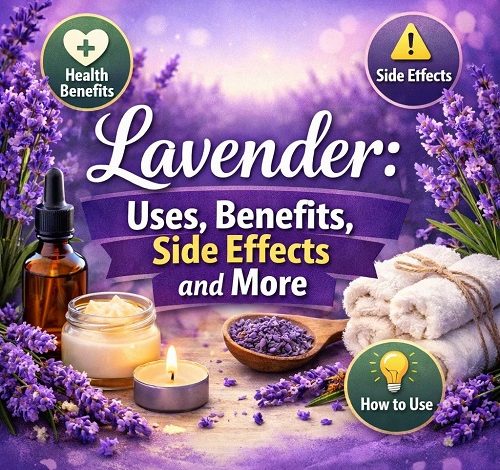
Lavender is one of the most beloved and versatile herbs in the world, prized for its calming fragrance, healing properties, and wide range of applications. From ancient herbal medicine to modern aromatherapy, lavender has remained a staple in natural health and wellness routines. Whether you are looking to improve your sleep, reduce stress, or enhance your skincare routine, understanding Lavender Uses can help you unlock its full potential. Lavender, including its history, Lavender Benefits, practical applications, and possible Lavender Side Effects.
What Is Lavender?
Lavender is a flowering plant belonging to the mint family (Lamiaceae). It is native to the Mediterranean region but is now cultivated worldwide. The most commonly used species is Lavandula angustifolia, known for its soothing scent and medicinal properties.
Lavender flowers are typically purple, though some varieties may appear blue or white. The plant is widely used in essential oils, herbal teas, cosmetics, and culinary recipes.
History of Lavender
Lavender has been used for over 2,500 years. Ancient Egyptians used it in mummification and perfumes, while Romans added it to baths for its cleansing and relaxing properties. In medieval Europe, lavender was believed to ward off infections and was commonly used during outbreaks of disease.
The word “lavender” comes from the Latin word lavare, meaning “to wash,” reflecting its long-standing association with cleanliness and purification.
Nutritional and Chemical Composition
Lavender contains a variety of active compounds that contribute to its therapeutic effects:
- Linalool
- Linalyl acetate
- Camphor
- Cineole
- Flavonoids
- Tannins
These compounds give lavender its anti-inflammatory, antimicrobial, and calming properties.
Top Lavender Uses
Understanding Lavender Uses can help you incorporate this powerful herb into your daily life effectively.
1. Aromatherapy for Stress Relief
Lavender essential oil is widely used in aromatherapy to reduce stress and anxiety. Simply inhaling its scent can promote relaxation and emotional balance.
2. Sleep Aid
Lavender is known for improving sleep quality. Many people use lavender oil on pillows or in diffusers to combat insomnia.
3. Skin Care
Lavender is used in creams and oils to treat acne, soothe irritation, and promote healing.
4. Hair Care
Lavender oil can help reduce dandruff and promote hair growth when massaged into the scalp.
5. Culinary Uses
Lavender can be used in teas, desserts, and even savory dishes for a unique floral flavor.
6. Natural Air Freshener
Lavender’s pleasant scent makes it ideal for freshening up living spaces.
7. Pain Relief
Topical application of lavender oil may help relieve headaches, muscle pain, and joint discomfort.
8. Insect Repellent
Lavender oil naturally repels mosquitoes and other insects.
Lavender Benefits
The wide range of Lavender Benefits makes it one of the most valuable herbs in natural medicine.
1. Reduces Anxiety and Depression
Lavender has calming properties that can help reduce symptoms of anxiety and mild depression. Studies suggest that inhaling lavender oil can lower cortisol levels.
2. Improves Sleep Quality
Lavender promotes deeper and more restful sleep. It is particularly beneficial for people suffering from insomnia or irregular sleep patterns.
3. Supports Skin Health
Lavender’s antibacterial and anti-inflammatory properties help treat acne, eczema, and minor wounds.
4. Relieves Pain and Inflammation
Lavender oil can help reduce muscle tension, headaches, and joint pain when applied topically.
5. Boosts Immune Function
Its antimicrobial properties help fight infections and strengthen the immune system.
6. Enhances Mood
Lavender is known to uplift mood and promote emotional well-being.
7. Improves Digestive Health
Lavender tea can help reduce bloating, gas, and stomach discomfort.
8. Promotes Wound Healing
Lavender accelerates the healing of minor cuts, burns, and insect bites.
How to Use Lavender
There are many ways to incorporate lavender into your routine:
1. Lavender Essential Oil
- Add a few drops to a diffuser
- Mix with carrier oil for massage
- Apply to temples for headaches
2. Lavender Tea
- Steep dried lavender flowers in hot water
- Drink before bedtime for relaxation
3. Topical Applications
- Use in creams, lotions, or oils
- Apply to skin for acne or irritation
4. Bath Soak
- Add lavender oil or dried flowers to bathwater
- Helps relax muscles and calm the mind
5. Culinary Use
- Add to baked goods, syrups, or teas
- Use sparingly due to strong flavor
Lavender for Specific Health Conditions
1. Lavender for Anxiety
Lavender oil is often used as a natural alternative to anxiety medications. It works by calming the nervous system.
2. Lavender for Insomnia
Inhaling lavender before bedtime can significantly improve sleep duration and quality.
3. Lavender for Headaches
Applying diluted lavender oil to the temples may relieve tension headaches.
4. Lavender for Acne
Its antibacterial properties help reduce acne-causing bacteria.
5. Lavender for Hair Loss
Lavender oil may stimulate hair follicles and improve scalp health.
Lavender Side Effects
While lavender is generally safe, it’s important to understand potential Lavender Side Effects.
1. Skin Irritation
Some people may experience allergic reactions or irritation when applying lavender oil directly to the skin.
2. Hormonal Effects
Lavender may have mild estrogen-like effects, which could impact hormone-sensitive conditions.
3. Digestive Issues
Consuming large amounts of lavender can cause nausea or stomach discomfort.
4. Drowsiness
Lavender’s calming effect may cause excessive sleepiness, especially when combined with sedatives.
5. Drug Interactions
Lavender may interact with medications such as:
- Sedatives
- Antidepressants
- Blood pressure medications
Who Should Avoid Lavender?
Certain individuals should use lavender with caution:
- Pregnant or breastfeeding women
- Children (especially with essential oils)
- People with allergies to plants in the mint family
- Individuals taking sedative medications
Tips for Safe Use
To safely enjoy Lavender Uses, follow these guidelines:
- Always dilute essential oil before applying to skin
- Perform a patch test before use
- Use high-quality, pure lavender products
- Avoid excessive consumption
- Consult a healthcare provider if you have medical conditions
Lavender in Modern Wellness
Lavender is widely used in:
- Aromatherapy clinics
- Spa treatments
- Skincare products
- Herbal medicine
Its popularity continues to grow due to its effectiveness and natural origin.
Lavender vs Other Herbs
Lavender stands out due to its versatility. Compared to other herbs:
- Chamomile is mainly used for sleep
- Peppermint is used for digestion
- Lavender offers benefits for both mind and body
Scientific Research on Lavender
Modern studies support many traditional uses of lavender:
- Reduces anxiety levels
- Improves sleep quality
- Exhibits antimicrobial properties
- Helps in pain management
These findings reinforce lavender’s role in natural medicine.
Frequently Asked Questions
Is lavender safe for daily use?
Yes, when used in moderation and properly diluted.
Can I drink lavender tea every day?
Yes, but limit intake to avoid digestive issues.
Does lavender help with stress?
Yes, it is one of the most effective natural stress relievers.
Can lavender oil be applied directly to skin?
It should always be diluted with a carrier oil.
Conclusion
Lavender is a powerful herb with a wide range of applications, from promoting relaxation to enhancing skin health. By understanding Lavender Uses, you can incorporate this versatile plant into your daily routine effectively.
The numerous Lavender Benefits make it a valuable addition to natural health practices, but it’s equally important to be aware of potential Lavender Side Effects to ensure safe use.
Whether you’re using it for better sleep, stress relief, or skincare, lavender offers a natural and effective solution for improving overall well-being.