
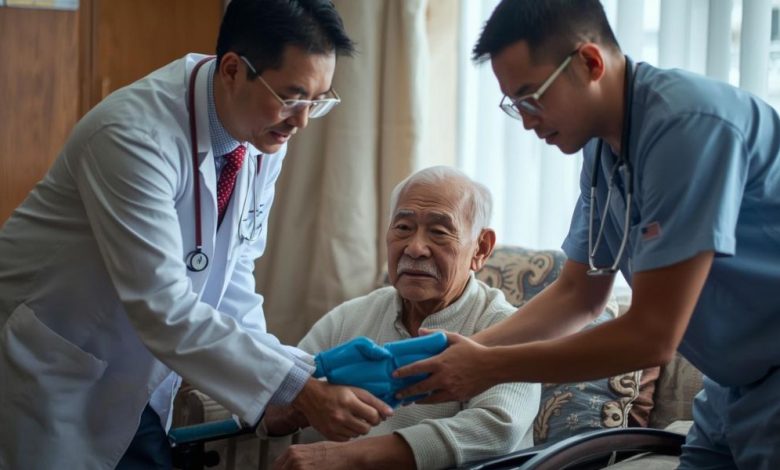
Sometimes a person cannot leave home easily. It may be because of age. It may be due to illness. In some cases, an injury makes movement painful. For these people, even a short trip to the clinic feels like a big task.
Family members often try their best. They arrange transport. They adjust work schedules. They wait for hours at medical centers. By the time they return home, everyone feels tired.
This is where traveling doctors help. Care is brought to the patient instead of the patient going to care. In many parts of the USA, this type of support is now common. It has made life easier for many homebound patients.
When a Patient Cannot Travel
Some patients are placed on bed rest. Others use wheelchairs or walkers. A simple car ride may cause pain or stress. In winter months, travel can be even harder.
When doctors visit the home, that pressure is removed. The patient stays in a safe and known space. Vital signs are checked. Symptoms are discussed. Medicines are reviewed.
Less energy is spent on travel. More energy can be used for healing.
Help With Long Term Illness
Many homebound patients live with long term health problems. Diabetes, heart disease, and lung conditions need steady care. These problems do not go away in a week.
Regular checkups are needed. Medicines may need small changes over time. Without follow up visits, the condition may get worse.
In such cases, mobile primary care physicians play an important role. They visit the patient at home and track changes in health. Blood pressure is measured. Sugar levels are reviewed. Breathing is observed.
Because visits happen at home, appointments are less likely to be missed. The care plan is followed more closely. Over time, this steady care helps avoid sudden hospital trips.
Support After Hospital Discharge
After a hospital stay, recovery continues at home. Wounds must be checked. Medicines must be taken on time. Warning signs must be watched.
If the patient is weak, going back to the hospital for every follow up can slow recovery. Pain may increase with movement. Stress can also rise.
When a traveling doctor visits, the healing process is observed carefully. Small problems are noticed early. Advice is given face to face. Families feel more secure because a medical professional has seen the patient in person.
Recovery feels more manageable this way.
Lower Risk of Infection
Hospitals see a lot of sick people every day. Even when safety rules are followed, some exposure can’t be completely avoided. For older patients or people with weaker immune systems, this could be dangerous.
Care given at home keeps people away from crowded places. The patient is still in a clean and controlled setting. This reduces the chances of catching new infections.
For many families, this brings peace of mind.
Better Communication With Families
When care happens at home, family members can join the visit easily. They ask questions. They share concerns. Instructions are explained clearly.
Sometimes medical advice given at clinics is forgotten during the drive home. At home visits, notes can be written down right away. Medicines can be shown directly to the doctor.
This makes care clearer. Confusion is reduced.
Mobile primary care physicians often build strong bonds with both patients and caregivers. Trust grows over time because visits are regular and personal.
Attention to Emotional Health
Being homebound can feel lonely. A patient may miss social contact. Days may feel long and quiet.
A doctor’s visit brings more than medical care. It brings conversation and connection. The patient feels seen and heard.
During these visits, mood changes can also be noticed. If signs of sadness or anxiety are observed, guidance can be offered. Emotional health is part of overall health.
When Hospital Care Is Needed
Home visits are helpful, but they are not for every situation. A heart attack, stroke, or serious injury needs emergency care. Special machines and teams are required in such cases.
Traveling doctors support stable patients who need regular monitoring. They do not replace emergency rooms. Families must understand this difference.
The right type of care depends on the patient’s condition.
Conclusion
For many homebound patients in the USA, traveling doctors have changed daily life. Medical care is received without the stress of travel. Checkups happen in a calm setting. Families feel more involved.
Comfort often improves when care is given at home. Routines stay steady. Small health changes are noticed early. With steady visits and proper guidance, many patients are able to manage their conditions safely.
Each family must look at its own situation. The patient’s health level, doctor’s advice, and available support should all be considered. When chosen wisely, home visits by traveling doctors can provide steady, simple, and respectful care right where it is needed most.