
In today’s fast-paced, screen-driven world, mental health challenges such as stress, anxiety, depression, and emotional burnout are becoming increasingly common. As people search for natural and holistic ways to restore balance, garden therapy—also known as horticultural therapy—has emerged as a powerful and evidence-based approach. More than just a relaxing hobby, gardening is now recognized by psychologists, therapists, and wellness experts as a practical tool for emotional healing.
How Garden Therapy Boosts Mental Health, the science behind it, its emotional benefits, and how you can easily incorporate garden therapy into your daily life for long-term well-being.
What Is Garden Therapy?
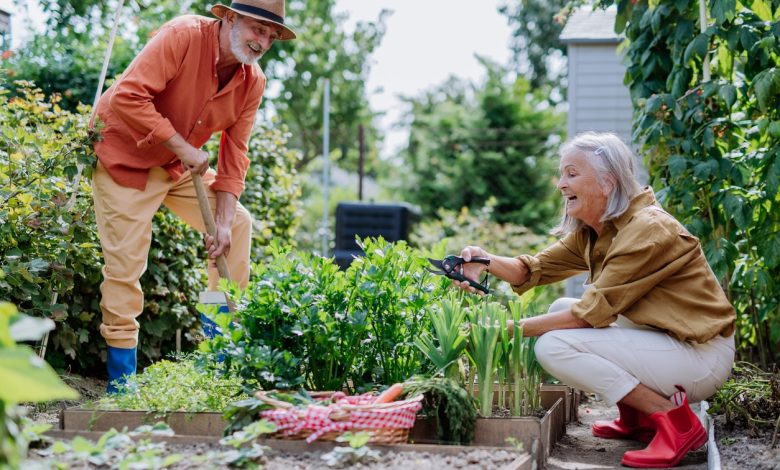
Garden therapy is a therapeutic practice that involves engaging with plants and gardening activities to improve mental, emotional, and physical health. It can range from simple acts like watering plants and planting seeds to more structured therapeutic programs guided by trained professionals.
Garden therapy is used in:
- Mental health clinics
- Rehabilitation centers
- Elderly care facilities
- Schools and community wellness programs
The core idea is simple: interaction with nature promotes healing.
The Growing Mental Health Crisis and the Need for Natural Solutions
Mental health disorders affect millions worldwide. According to global health studies, anxiety and depression are among the leading causes of disability. While medication and psychotherapy are essential treatments, many individuals seek complementary approaches that feel more natural and empowering.
This is where garden therapy stands out. It is:
- Low-cost
- Accessible
- Non-invasive
- Suitable for all ages
Most importantly, research consistently shows that Garden Therapy Boosts Mental Health by addressing both emotional and psychological needs.
How Garden Therapy Boosts Mental Health: The Science Explained
1. Reduces Stress and Cortisol Levels
Spending time in green spaces has been proven to lower cortisol, the body’s primary stress hormone. Gardening encourages slow, mindful movements and deep breathing, which activate the parasympathetic nervous system—responsible for relaxation.
Studies show that even 20–30 minutes of gardening can significantly reduce stress levels and promote calmness.
2. Improves Mood and Fights Depression
Garden therapy stimulates the release of serotonin and dopamine, the “feel-good” neurotransmitters. Exposure to sunlight increases vitamin D levels, which are strongly linked to mood regulation.
Additionally, soil contains a natural bacterium called Mycobacterium vaccae, which has been shown to enhance serotonin production and reduce symptoms of depression.
This is a key reason why experts emphasize that Garden Therapy Boosts Mental Health naturally and sustainably.
3. Encourages Mindfulness and Present-Moment Awareness
Gardening requires attention—observing plant growth, noticing colors, textures, and scents. These sensory experiences anchor the mind in the present moment, reducing rumination and negative thought patterns commonly associated with anxiety and depression.
Garden therapy works similarly to meditation but feels more approachable for those who struggle with traditional mindfulness practices.
Emotional Well-Being Benefits of Garden Therapy
4. Builds Emotional Resilience
Caring for plants teaches patience, acceptance, and adaptability. Not every plant thrives, and this gentle exposure to imperfection helps individuals develop emotional resilience.
Learning to nurture life, cope with setbacks, and celebrate small successes strengthens emotional stability.
5. Enhances Self-Esteem and Sense of Purpose
Watching a seed grow into a healthy plant creates a strong sense of accomplishment. For individuals dealing with low self-worth, garden therapy provides tangible proof that their actions matter.
This sense of purpose is especially beneficial for:
- People with depression
- Elderly individuals
- Those recovering from trauma or addiction
Once again, research confirms that Garden Therapy Boosts Mental Health by restoring confidence and meaning.
6. Reduces Feelings of Loneliness and Isolation
Community gardening programs foster social interaction, cooperation, and emotional connection. Even solo gardening can reduce loneliness by creating a nurturing relationship with living plants.
For people who struggle with social anxiety, gardening offers a gentle, non-threatening way to reconnect with the world.
Garden Therapy for Specific Mental Health Conditions
7. Garden Therapy for Anxiety Disorders
Gardening lowers heart rate, blood pressure, and muscle tension. Repetitive tasks like weeding or watering create a calming rhythm that soothes anxious minds.
Many therapists now recommend garden therapy as a complementary treatment for generalized anxiety disorder (GAD) and panic disorders.
8. Garden Therapy for Depression
Depression often drains motivation and energy. Garden therapy provides manageable, goal-oriented tasks that encourage movement and engagement without overwhelming pressure.
Sunlight exposure, physical activity, and a sense of growth all contribute to why Garden Therapy Boosts Mental Health in individuals with depressive symptoms.
9. Garden Therapy for PTSD and Trauma Recovery
For trauma survivors, garden therapy offers a safe and grounding environment. Working with soil and plants helps regulate emotions and reconnects individuals with their bodies in a non-triggering way.
Veterans and trauma patients often report improved sleep, emotional regulation, and reduced intrusive thoughts through regular gardening.
Physical Health Benefits That Support Mental Wellness
Mental and physical health are deeply connected. Garden therapy supports emotional well-being by improving physical health in several ways:
- Gentle exercise improves circulation and energy
- Exposure to sunlight boosts vitamin D
- Improved sleep patterns
- Reduced inflammation and fatigue
These physical benefits amplify the mental health impact, reinforcing the idea that Garden Therapy Boosts Mental Health holistically.
Garden Therapy Across Different Age Groups
10. Children and Adolescents
Garden therapy helps children:
- Develop emotional regulation
- Improve focus and attention
- Reduce symptoms of ADHD
- Build empathy and responsibility
Schools increasingly use gardening programs to support emotional learning and stress management.
11. Adults and Working Professionals
For busy adults, gardening acts as a natural stress reliever. It offers a break from digital overload and work pressure while promoting work-life balance and emotional clarity.
12. Seniors and the Elderly
In older adults, garden therapy:
- Reduces cognitive decline
- Improves memory
- Enhances mood
- Encourages physical movement
Many elder-care facilities now integrate gardening as part of mental wellness programs because Garden Therapy Boosts Mental Health even in later stages of life.
How to Start Garden Therapy at Home
You don’t need a large backyard to experience the benefits. Here are simple ways to begin:
13. Start Small
- Grow herbs in pots
- Use indoor plants
- Create a balcony or windowsill garden
14. Choose Easy Plants
- Basil
- Mint
- Aloe vera
- Snake plant
- Tomatoes
15. Make It a Routine
Spend 15–30 minutes daily watering, pruning, or simply observing your plants.
Tips to Maximize the Mental Health Benefits
- Garden without distractions (no phone or headphones)
- Focus on your senses—touch, smell, sight
- Reflect on growth and progress
- Practice gratitude while gardening
These mindful practices strengthen the emotional impact and ensure that Garden Therapy Boosts Mental Health consistently.
Garden Therapy vs. Traditional Therapy
Garden therapy is not a replacement for professional mental health treatment, but it is an effective complementary approach. It works best alongside:
- Counseling
- Cognitive Behavioral Therapy (CBT)
- Medication (when prescribed)
Many therapists now incorporate nature-based activities into treatment plans because of their proven effectiveness.
The Future of Garden Therapy in Mental Health Care
As awareness grows, garden therapy is becoming a recognized therapeutic modality worldwide. Hospitals, schools, prisons, and workplaces are integrating green spaces to support emotional well-being.
With rising mental health concerns, the demand for accessible and natural interventions continues to increase—further validating that Garden Therapy Boosts Mental Health on both individual and societal levels.
Final Thoughts: Why Garden Therapy Matters
Garden therapy is more than planting flowers—it is about nurturing the mind, restoring emotional balance, and reconnecting with life’s natural rhythms. In a world filled with constant noise and pressure, gardening offers silence, growth, and healing.
Whether you are struggling with stress, anxiety, depression, or simply seeking greater emotional well-being, garden therapy provides a gentle yet powerful path to mental wellness.
Garden Therapy Boosts Mental Health by combining nature, movement, mindfulness, and purpose—making it one of the most effective and sustainable tools for emotional well-being today.