
Tachycardia — a condition characterized by an abnormally fast heart rate — can be unsettling and even frightening. While occasional increases in heart rate are normal during exercise, stress, or excitement, persistent rapid heartbeat at rest may signal an underlying issue. Many people explore Herbal Remedies for Tachycardia as complementary approaches to support heart rhythm and overall cardiovascular health.
How tachycardia develops, common causes, lifestyle triggers, and the most promising Herbal Remedies that may help promote a steady, healthy heartbeat — naturally and safely.
Understanding Tachycardia
Tachycardia occurs when the heart beats faster than 100 beats per minute at rest. The condition can originate from different areas of the heart and may vary in severity.
Types of Tachycardia
- Sinus Tachycardia – Normal response to stress, fever, dehydration, or anxiety.
- Atrial Fibrillation (AFib) – Irregular and often rapid heart rhythm.
- Supraventricular Tachycardia (SVT) – Rapid heartbeat originating above the ventricles.
- Ventricular Tachycardia – Fast rhythm from the heart’s lower chambers; potentially serious.
Common Symptoms
- Palpitations (pounding or fluttering chest)
- Dizziness or lightheadedness
- Shortness of breath
- Chest discomfort
- Fatigue
- Anxiety
Some individuals may not experience noticeable symptoms, which is why routine checkups are important.
Why Consider Herbal Remedies for Tachycardia?
Conventional treatment may include medications, catheter ablation, or lifestyle modifications. However, many individuals seek Herbal Remedies for Tachycardia to:
- Support healthy electrical signaling in the heart
- Calm stress-induced heart rate spikes
- Improve circulation
- Reduce inflammation
- Strengthen cardiovascular resilience
It’s essential to note that Herbal Remedies should complement — not replace — medical care, especially in moderate to severe cases.
Top Herbal Remedies for Tachycardia
Below are research-supported and traditionally used herbs that may promote heart rhythm balance.
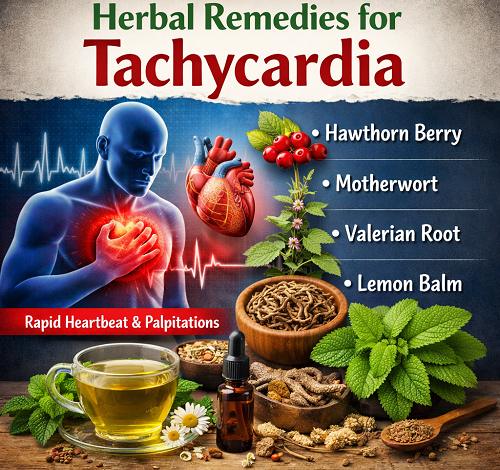
1. Hawthorn (Crataegus)
Hawthorn has long been regarded as one of the most powerful heart-supporting herbs.
Potential Benefits:
- Improves coronary blood flow
- Enhances heart muscle strength
- May reduce palpitations
- Acts as a mild vasodilator
Hawthorn contains flavonoids and oligomeric proanthocyanidins that help improve oxygen delivery to heart tissue. Some studies suggest it may support mild arrhythmias and heart function when used consistently.
How to Use:
Tea, tincture, or standardized extract capsules.
2. Motherwort (Leonurus cardiaca)
Motherwort is traditionally used for heart palpitations linked to anxiety and stress.
Why It Helps:
- Mild sedative properties
- Supports nervous system balance
- May reduce stress-triggered tachycardia
It’s particularly helpful for people whose rapid heart rate worsens during emotional stress.
Best For:
Stress-induced sinus tachycardia.
3. Valerian Root
Valerian is widely known for promoting sleep and relaxation.
How It Supports Heart Rhythm:
- Calms the central nervous system
- Reduces adrenaline response
- Supports parasympathetic nervous system activation
If tachycardia is related to anxiety or insomnia, valerian may offer indirect cardiovascular benefits.
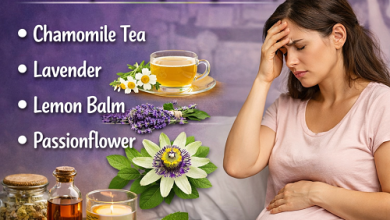
4. Lemon Balm (Melissa officinalis)
Lemon balm has gentle calming effects and may help stabilize stress-related heart rate fluctuations.
Benefits:
- Anti-anxiety effects
- Mild sedative action
- May reduce palpitations
It’s often combined with motherwort or valerian in heart-calming herbal formulas.
5. Passionflower
Passionflower is another calming herb used for nervous tension.
Potential Role in Tachycardia:
- Supports GABA activity
- Reduces stress hormones
- Helps regulate stress-triggered palpitations
Especially helpful for nighttime racing heart episodes.
6. Magnesium-Rich Herbal Support
While magnesium is a mineral, many Herbal Remedies for Tachycardia work synergistically with magnesium-rich foods and herbs such as:
- Nettle leaf
- Dandelion greens
- Alfalfa
Magnesium plays a crucial role in cardiac electrical stability and muscle relaxation.
Lifestyle Strategies to Enhance Herbal Remedies
Herbal approaches work best when paired with heart-supportive lifestyle habits.
1. Stress Management
- Meditation
- Deep breathing
- Yoga
- Progressive muscle relaxation
Chronic stress overstimulates the sympathetic nervous system, contributing to tachycardia.
2. Hydration
Dehydration can cause rapid heart rate. Ensure adequate daily water intake.
3. Reduce Stimulants
Limit:
- Caffeine
- Nicotine
- Excess sugar
- Energy drinks
4. Balanced Electrolytes
Maintain healthy levels of:
- Potassium
- Magnesium
- Sodium
Electrolyte imbalances are a common trigger.
When to Seek Medical Attention
While Herbal Remedies for Tachycardia may offer supportive benefits, immediate medical evaluation is necessary if you experience:
- Chest pain
- Fainting
- Severe shortness of breath
- Persistent heart rate above 120 bpm at rest
- Known heart disease
Tachycardia can sometimes indicate serious heart rhythm disorders requiring professional care.
Safety Considerations
Even natural Herbal Remedies can interact with medications such as:
- Beta-blockers
- Blood thinners
- Anti-arrhythmic drugs
- Blood pressure medications
Always consult a qualified healthcare provider before starting any new herbal regimen.
Pregnant or breastfeeding individuals should exercise additional caution.
Creating an Herbal Support Plan
A gentle, balanced approach might include:
Morning:
- Hawthorn extract
- Magnesium-rich diet
Afternoon:
- Lemon balm tea
Evening:
- Motherwort or valerian tincture
Consistency is key — many herbs work gradually over weeks.
The Role of the Nervous System in Tachycardia
The heart does not function in isolation. The autonomic nervous system controls heart rate through:
- Sympathetic (“fight or flight”) response
- Parasympathetic (“rest and digest”) response
Many Herbal Remedies for Tachycardia work by calming sympathetic overdrive and strengthening parasympathetic tone.
When stress hormones like adrenaline remain elevated, heart rhythm irregularities become more likely. Herbs that soothe the nervous system may indirectly support rhythm stability.
Diet Tips That Complement Herbal Remedies
- Eat anti-inflammatory foods (leafy greens, berries, fatty fish)
- Avoid processed foods
- Reduce excess salt (if hypertensive)
- Support gut health
Inflammation and metabolic imbalance can influence cardiovascular health.
Frequently Asked Questions
Can Herbal Remedies for Tachycardia cure the condition?
They are supportive, not curative. Effectiveness depends on the underlying cause.
How long do herbal remedies take to work?
Some calming herbs act within hours, while cardiovascular tonics like hawthorn may require several weeks.
Are herbal remedies safe for long-term use?
Many are safe when used appropriately, but professional guidance is recommended.
Final Thoughts
Tachycardia can be distressing, but many cases are manageable with proper care. Herbal Remedies for Tachycardia may provide gentle yet meaningful support for heart rhythm balance, especially when stress or mild functional disturbances are contributing factors.
Combining traditional Herbal Remedies such as hawthorn, motherwort, valerian, lemon balm, and passionflower with stress reduction, hydration, and dietary improvements creates a comprehensive natural approach to cardiovascular wellness.