
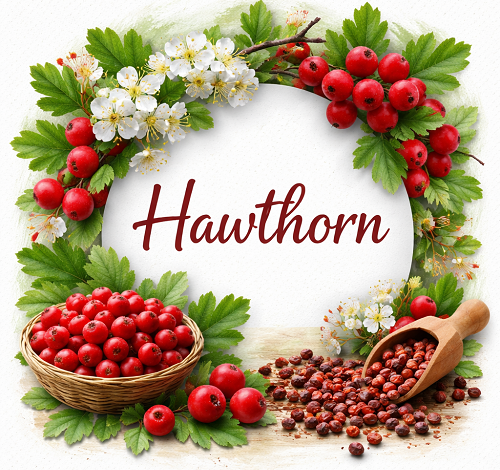
Hawthorn is one of the most widely used herbal remedies in traditional medicine, particularly for heart health and circulation. Derived from the berries, leaves, and flowers of the Crataegus plant species, this powerful herb has been valued for centuries in European and Chinese medicine. Today, modern research continues to explore the Uses of Hawthorn, its therapeutic potential, and its safety profile. The Benefits of Hawthorn, its medicinal applications, dosage guidelines, and the Side Effects of Hawthorn.
What Is Hawthorn?
Hawthorn refers to a group of flowering shrubs and small trees belonging to the Crataegus genus. The plant produces small red berries commonly used in herbal medicine. These berries are rich in antioxidants, flavonoids, and oligomeric proanthocyanidins (OPCs), which contribute to its health-promoting properties.
Traditionally, hawthorn has been used to support cardiovascular health, improve digestion, and reduce anxiety.
Nutritional and Active Compounds in Hawthorn
Hawthorn contains several bioactive compounds that are responsible for its medicinal effects:
- Flavonoids (quercetin, rutin)
- Proanthocyanidins
- Triterpene acids
- Vitamin C
- Fiber (in berries)
These compounds work synergistically to provide antioxidant, anti-inflammatory, and cardioprotective benefits.
Uses of Hawthorn
The Uses of Hawthorn span across various health conditions, making it a versatile herbal remedy.
1. Supports Heart Health
One of the most well-known uses is improving heart function. Hawthorn helps:
- Strengthen heart muscles
- Improve blood flow
- Regulate heart rhythm
It is often used as a natural adjunct therapy for mild heart failure.
2. Helps Manage Blood Pressure
Hawthorn may help lower high blood pressure by dilating blood vessels and improving circulation. Its vasodilatory effect reduces strain on the heart.
3. Improves Cholesterol Levels
Another important use is reducing LDL (bad cholesterol) while increasing HDL (good cholesterol). This helps prevent plaque buildup in arteries.
4. Aids Digestion
Traditionally, hawthorn has been used to treat digestive issues such as:
- Indigestion
- Bloating
- Diarrhea
It stimulates digestive enzymes and improves gut function.
5. Reduces Anxiety and Stress
Hawthorn has mild sedative properties that can help calm the nervous system. It is often used to reduce:
- Anxiety
- Nervous tension
- Sleep disturbances
6. Enhances Circulation
By improving blood flow, hawthorn supports better oxygen delivery throughout the body, which is essential for overall vitality.
7. Supports Skin Health
Due to its antioxidant content, hawthorn helps combat oxidative stress, which can contribute to premature aging and skin damage.
Benefits of Hawthorn
The Benefits of Hawthorn are backed by both traditional use and emerging scientific research.
1. Powerful Antioxidant Properties
Hawthorn is rich in antioxidants that help neutralize free radicals, reducing oxidative stress and inflammation.
2. Cardiovascular Protection
One of the most significant benefits is its ability to protect the heart by:
- Improving cardiac output
- Reducing arterial stiffness
- Preventing atherosclerosis
3. Anti-Inflammatory Effects
Chronic inflammation is linked to many diseases. Hawthorn’s anti-inflammatory compounds help reduce inflammation in the body.
4. Improves Exercise Tolerance
Some studies suggest that hawthorn can enhance physical endurance by improving oxygen utilization and circulation.
5. Supports Immune System
The presence of vitamins and antioxidants helps strengthen the immune system and protect against infections.
6. Natural Stress Relief
Hawthorn promotes relaxation and mental well-being, making it beneficial for individuals dealing with stress-related conditions.
7. Blood Sugar Regulation
Preliminary research indicates that hawthorn may help regulate blood sugar levels, making it potentially useful for metabolic health.
How to Use Hawthorn
Hawthorn is available in several forms, allowing flexibility in usage.
1. Hawthorn Tea
- Made from dried berries, leaves, or flowers
- Consumed 1–2 times daily
2. Capsules and Tablets
- Standardized extracts for consistent dosage
- Common dosage: 300–600 mg per day
3. Liquid Extracts (Tinctures)
- Fast absorption
- Typically taken in small drops diluted in water
4. Hawthorn Berry Powder
- Added to smoothies or foods
5. Syrups and Jams
- Traditional culinary use with mild health benefits
Recommended Dosage
The appropriate dosage depends on the form used:
- Standardized extract: 160–900 mg daily
- Tea: 1–2 cups per day
- Tincture: 20–40 drops, 2–3 times daily
Always follow product-specific instructions or consult a healthcare professional.
Side Effects of Hawthorn
While generally considered safe, the Side Effects of Hawthorn should not be overlooked.
Common Side Effects
- Dizziness
- Nausea
- Headache
- Mild stomach upset
Serious Side Effects (Rare)
- Irregular heartbeat
- Low blood pressure
- Allergic reactions
Drug Interactions
Hawthorn may interact with certain medications, especially:
- Blood pressure medications
- Heart medications (e.g., digoxin)
- Blood thinners
These interactions can enhance or interfere with the effects of medications.
Who Should Avoid Hawthorn?
Certain individuals should use caution or avoid hawthorn:
- Pregnant or breastfeeding women
- People with severe heart conditions
- Individuals on multiple cardiovascular medications
- Those scheduled for surgery
Consultation with a healthcare provider is essential before use.
Hawthorn in Traditional Medicine
European Herbal Medicine
Hawthorn has long been used as a “heart tonic” in European traditions, particularly for aging individuals with weakened cardiovascular systems.
Traditional Chinese Medicine (TCM)
In TCM, hawthorn (Shan Zha) is used to:
- Improve digestion
- Reduce food stagnation
- Enhance blood circulation
Scientific Research on Hawthorn
Modern studies have explored hawthorn’s effectiveness, particularly for heart health.
Key Findings:
- May improve symptoms of chronic heart failure
- Supports better exercise capacity
- Enhances blood vessel function
However, more large-scale clinical trials are needed to confirm long-term benefits.
Tips for Choosing High-Quality Hawthorn Supplements
To maximize the Benefits of Hawthorn, consider the following:
- Choose standardized extracts with known flavonoid content
- Look for third-party tested products
- Avoid products with unnecessary additives
- Opt for reputable brands
Storage and Shelf Life
Proper storage ensures potency:
- Keep in a cool, dry place
- Store away from direct sunlight
- Seal containers tightly
Dried herbs typically last up to one year, while supplements may last longer depending on packaging.
Frequently Asked Questions
Is hawthorn safe for daily use?
Yes, when taken within recommended doses, hawthorn is generally safe for daily use.
How long does it take to see results?
Benefits, especially for heart health, may take several weeks of consistent use.
Can hawthorn be taken with other herbs?
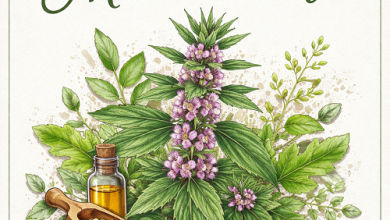
Yes, it is often combined with herbs like garlic or motherwort for enhanced cardiovascular support.
Conclusion
Hawthorn stands out as a powerful herbal remedy with a long history of use and promising modern applications. The wide range of Uses of Hawthorn makes it a valuable addition to natural health routines, particularly for cardiovascular support, digestion, and stress management.
The Benefits of Hawthorn include antioxidant protection, improved circulation, and heart health support, making it a popular choice among herbal enthusiasts. However, understanding the Side Effects of Hawthorn is crucial to ensure safe and effective use.
Incorporating hawthorn into a balanced lifestyle can provide significant health advantages, but it is always advisable to consult a healthcare professional before starting any new supplement, especially for individuals with underlying medical conditions.