
Living with essential tremor can feel exhausting and frustrating. I see many patients worry about losing independence, struggling with daily tasks, or feeling embarrassed in social situations. If you are living with tremors, or caring for someone who is, you likely want clear, honest information about what actually helps. I am writing this from the combined perspective of a medical professional with clinical experience in neurology and a content strategist who understands how confusing health information can become.
Essential tremor is one of the most common movement conditions. It usually affects the hands, but it can involve the head, voice, arms, or even legs. The shaking often worsens during action, such as writing, eating, or holding a cup. While essential tremor is not life-threatening, it can affect confidence, work, relationships, and quality of life. Modern care now offers more choices than ever before, and many people see meaningful improvement with the right approach.
What essential tremor really means for daily life
Essential tremor does not affect everyone in the same way. Some people notice a mild shake only during stress or fatigue. Others experience steady progression that interferes with handwriting, dressing, cooking, or using a phone. I often hear concerns like, “Will this get worse?” or “Am I going to lose control of my hands?” These worries are valid.
The condition tends to progress slowly over years. While there is no single cure, many treatments reduce tremor intensity and help people regain confidence. The best results often come from combining medical care with practical strategies and supportive therapies. You do not need to suffer in silence or assume nothing can be done.
Getting a clear diagnosis before choosing treatment
Before starting any therapy, it is important to confirm that the tremor is truly essential tremor. Other conditions, such as Parkinson’s disease, medication side effects, anxiety-related tremor, or thyroid problems, can look similar. A proper assessment usually includes a detailed medical history, neurological examination, and review of medications.
I always advise patients to describe when the tremor happens, what makes it worse, and whether alcohol or rest changes it. This information guides treatment choices and avoids unnecessary therapies. A correct diagnosis sets the foundation for meaningful improvement.
Lifestyle adjustments that support tremor control
Many people underestimate the impact of simple lifestyle changes. While these steps may not eliminate tremor, they often reduce severity and improve daily functioning.
Reducing caffeine can help, as caffeine stimulates the nervous system. Adequate sleep matters more than many realise, since fatigue often worsens shaking. Managing stress through breathing exercises, gentle yoga, or mindfulness practices can also calm tremor intensity.
Adaptive tools make a real difference. Weighted cutlery, pens with thicker grips, spill-proof cups, and voice-to-text technology can restore independence. These tools do not treat the condition itself, but they support dignity and ease daily life.
Medicines commonly used for essential tremor
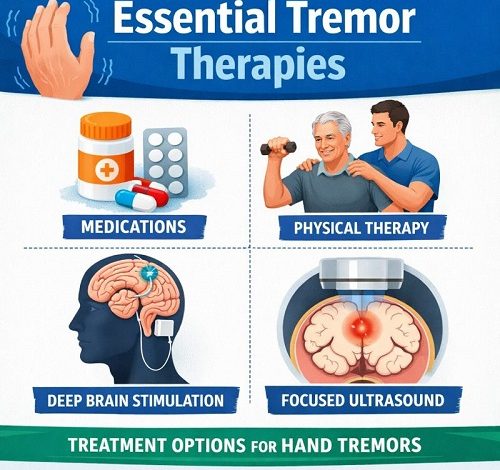
Doctors often start with medication when tremor interferes with daily activities. Two medicines have long-standing evidence for essential tremor.
Beta blockers, such as propranolol, can reduce tremor amplitude in many people. They work by calming nerve signals involved in shaking. However, they are not suitable for everyone, especially those with asthma or certain heart conditions.
Anti-seizure medicines, such as primidone, also help some patients. These medicines affect brain signalling and can reduce tremor intensity. Side effects like drowsiness or dizziness sometimes occur, particularly when starting treatment, so doses usually increase slowly.
Other medications, including gabapentin or topiramate, may help in selected cases. The response varies from person to person. I encourage open conversations with your doctor about benefits, side effects, and realistic expectations.
Injection-based therapies for specific tremors
Botulinum toxin injections can help certain types of tremor, particularly head or voice tremor. In some cases, injections into hand muscles reduce shaking, though they may temporarily weaken grip strength. This option suits people who have not responded well to tablets or cannot tolerate them.
These injections require skill and experience, so referral to a specialist clinic matters. Results are temporary, typically lasting a few months, but many patients report worthwhile improvement.
Advanced surgical and device-based treatments
For severe tremor that does not respond to medication, advanced therapies offer hope. These options are usually considered after careful assessment.
Deep brain stimulation involves placing electrodes in specific brain areas that control movement. A small implanted device sends electrical signals that reduce tremor. This approach can dramatically improve symptoms in selected patients. It is adjustable and reversible, which many people find reassuring.
Focused ultrasound is a newer, non-invasive technique that uses sound waves to target tremor-causing brain tissue. It does not involve incisions, and results can be immediate. However, it is not suitable for everyone, and availability may vary.
I discuss these options carefully with patients, weighing potential benefits against risks, lifestyle factors, and personal goals.
The role of physiotherapy and occupational therapy
Therapy-led care plays a valuable role in tremor management. Physiotherapists help improve posture, coordination, and muscle control. Occupational therapists focus on practical solutions for daily activities, from writing to dressing.
These professionals teach strategies that conserve energy, reduce frustration, and build confidence. I often see improved quality of life when people engage with therapy early rather than waiting until tremor becomes severe.
Psychological wellbeing and emotional support
Essential tremor affects more than the body. Anxiety, embarrassment, and social withdrawal are common. Some people avoid eating in public or speaking in meetings because of fear of judgement.
Addressing mental wellbeing is part of good care. Cognitive behavioural therapy, counselling, or support groups can help people manage stress and regain confidence. Reducing anxiety often reduces tremor severity as well, creating a positive cycle.
You are not weak for feeling overwhelmed. Emotional support is a valid and effective part of treatment.
Nutrition and complementary approaches
Many people ask about diet, vitamins, and natural options. While no diet cures essential tremor, balanced nutrition supports nerve health and overall wellbeing. Maintaining stable blood sugar, staying hydrated, and avoiding excessive alcohol can help.
Some individuals explore complementary approaches alongside medical care. You may wish to read more about Natural Treatment for Essential Tremors if you are interested in lifestyle and plant-based approaches discussed in more depth elsewhere. These options should complement, not replace, medical advice.
Herbal approaches attract interest, particularly for those who struggle with medication side effects. Discussions around Herbal Remedies for Essential Tremors often focus on calming the nervous system and supporting muscle control. Evidence varies, and quality matters, so professional guidance remains important.
In the UK, many patients ask about herbal supplements UK with no side effects. While no supplement is completely risk-free, reputable products with transparent sourcing and safety data may suit some individuals. Always discuss supplements with a healthcare professional, especially if you take prescription medicines.
Choosing the right treatment plan for you
There is no single best treatment for everyone with essential tremor. Effective care depends on symptom severity, daily needs, medical history, and personal preferences. Some people do well with simple lifestyle changes. Others need medication, therapy, or advanced procedures.
I encourage you to think about what matters most to you. Is it writing clearly? Eating without spills? Speaking confidently? Playing music again? Treatment should align with your priorities, not just clinical scores.
Regular review matters because tremor can change over time. What works now may need adjustment later. Open communication with your healthcare team builds trust and improves outcomes.
Questions patients often ask
Will essential tremor shorten my life?
No. Essential tremor does not reduce life expectancy. It affects quality of life, not lifespan.
Does essential tremor always get worse?
It usually progresses slowly, but the rate varies. Many people maintain stable symptoms for years, especially with treatment.
Is essential tremor linked to Parkinson’s disease?
They are different conditions. Some symptoms overlap, but essential tremor does not automatically lead to Parkinson’s disease.
Can stress really make tremor worse?
Yes. Stress activates the nervous system and often increases tremor intensity. Stress management plays a real role in control.
Supporting a loved one with essential tremor
If you care for someone with essential tremor, your support matters. Patience, understanding, and practical help reduce frustration. Encourage independence where possible and avoid rushing or correcting movements. Emotional reassurance helps just as much as physical assistance.
Learning about treatment options together strengthens shared decision-making and reduces fear. Small adjustments at home can restore dignity and ease.
Looking ahead with confidence
Essential tremor therapies have improved significantly. Modern medicine now offers a wide range of options that genuinely make a difference. While the condition may remain part of life, it does not have to define it.
With accurate diagnosis, thoughtful treatment, and ongoing support, many people regain control, confidence, and comfort. I want you to know that help exists, progress continues, and you deserve care that respects your goals and daily reality.
If tremor is affecting your life, take the next step. Speak openly with a healthcare professional, explore suitable options, and remember that improvement is possible.