Effective Herbal Remedies for Seborrheic Dermatitis to Soothe Itchy Skin

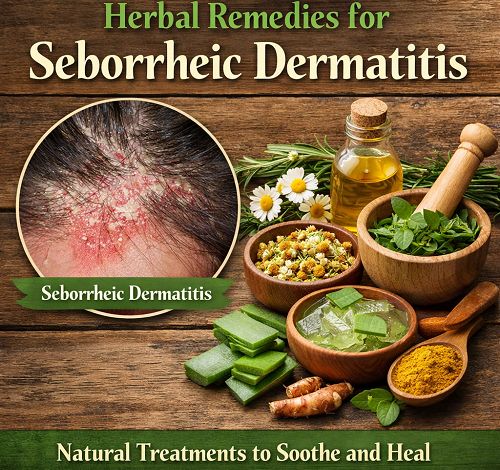
Seborrheic dermatitis is a common, chronic inflammatory skin condition that affects millions of people worldwide. It often appears as red, itchy, flaky patches on the scalp, face, chest, and other oily areas of the body. While medicated shampoos and topical treatments can help manage symptoms, many individuals are increasingly turning to Herbal Remedies for Seborrheic Dermatitis as a gentler, more natural approach to soothing irritated skin.
The causes of seborrheic dermatitis, how it develops, and the most effective Herbal Remedies that can help reduce itching, flaking, and redness—naturally.
Understanding Seborrheic Dermatitis
Seborrheic dermatitis is a chronic skin disorder linked to excess oil production and the overgrowth of yeast known as Malassezia. It commonly affects:
- The scalp (causing dandruff)
- Eyebrows
- Sides of the nose
- Behind the ears
- Chest
- Upper back
Common Symptoms
- Persistent itching
- Greasy or dry scales
- Red, inflamed skin
- Yellowish flakes
- Sensitivity or burning sensation
Though not contagious, seborrheic dermatitis can significantly impact comfort and self-confidence.
Why Consider Herbal Remedies for Seborrheic Dermatitis?
Many conventional treatments contain antifungal agents, corticosteroids, or medicated ingredients that may cause side effects with long-term use, such as thinning skin or irritation.
Herbal Remedies for Seborrheic Dermatitis offer several potential benefits:
- Natural antifungal properties
- Anti-inflammatory effects
- Gentle skin soothing
- Fewer harsh chemicals
- Support for long-term skin balance
When used consistently and properly, Herbal Remedies can complement medical care and help maintain symptom control.
Top Herbal Remedies for Seborrheic Dermatitis
Let’s explore the most effective natural options.
1. Tea Tree Oil
Tea tree oil is widely recognized for its powerful antifungal and anti-inflammatory properties. Since seborrheic dermatitis is linked to fungal overgrowth, this remedy can be particularly helpful.
Benefits:
- Fights Malassezia yeast
- Reduces itching
- Minimizes redness
- Helps control flaking
How to Use:
- Dilute 2–3 drops in a tablespoon of coconut or olive oil.
- Massage into the affected area.
- Leave for 20–30 minutes before washing.
- Use 2–3 times weekly.
Always perform a patch test before applying.
2. Aloe Vera
Aloe vera is one of the most soothing Herbal Remedies for irritated skin.
Benefits:
- Calms inflammation
- Relieves itching
- Promotes healing
- Hydrates without clogging pores
How to Use:
- Apply fresh aloe gel directly to affected skin.
- Leave on for 30 minutes.
- Rinse gently with lukewarm water.
- Use daily for best results.
3. Coconut Oil
Coconut oil is a popular natural moisturizer with antifungal properties.
Benefits:
- Reduces dryness and flaking
- Soothes irritation
- Provides antifungal support
- Strengthens the skin barrier
How to Use:
- Warm slightly for easy application.
- Massage into scalp or affected area.
- Leave overnight if tolerated.
- Wash out in the morning.
Note: Some individuals may experience worsening symptoms, so monitor your skin’s response.
4. Apple Cider Vinegar
Apple cider vinegar (ACV) helps balance skin pH and reduce fungal growth.
Benefits:
- Controls excess oil
- Reduces scalp itch
- Loosens flakes
- Supports healthy microbiome
How to Use:
- Mix equal parts water and ACV.
- Apply to scalp after shampooing.
- Leave for 5 minutes.
- Rinse thoroughly.
Use once or twice weekly.
5. Neem
Neem is a powerful medicinal plant widely used in traditional healing systems.
Benefits:
- Strong antifungal action
- Reduces inflammation
- Helps clear infection
- Soothes irritated skin
How to Use:
- Apply diluted neem oil.
- Or prepare a neem paste from crushed leaves.
- Leave on for 20 minutes before rinsing.
6. Chamomile
Chamomile has calming, anti-inflammatory properties that help soothe irritated skin.
Benefits:
- Reduces redness
- Calms itching
- Promotes skin repair
How to Use:
- Brew chamomile tea.
- Let cool.
- Use as a skin rinse or compress.
7. Turmeric
Turmeric contains curcumin, a powerful anti-inflammatory compound.
Benefits:
- Reduces inflammation
- Helps control redness
- Supports healing
How to Use:
- Mix turmeric powder with water or honey.
- Apply thin layer.
- Leave for 10–15 minutes.
- Rinse thoroughly.
Be cautious—turmeric can temporarily stain skin.
Lifestyle Changes to Enhance Herbal Remedies for Seborrheic Dermatitis
Herbal Remedies work best when combined with supportive habits:
1. Manage Stress
Stress can trigger flare-ups. Practice relaxation techniques such as:
- Deep breathing
- Meditation
- Yoga
2. Improve Diet
Focus on:
- Anti-inflammatory foods
- Omega-3 rich sources
- Fresh fruits and vegetables
Avoid excessive sugar and processed foods.
3. Gentle Skin Care
- Use mild cleansers
- Avoid harsh scrubbing
- Keep skin moisturized
- Avoid alcohol-based products
Precautions When Using Herbal Remedies
While Herbal Remedies are natural, they are not risk-free.
- Always patch test first
- Dilute essential oils
- Avoid applying to broken skin
- Consult a healthcare professional if symptoms worsen
- Stop use if irritation develops
If seborrheic dermatitis is severe or persistent, medical evaluation may be necessary.
When to See a Doctor
Seek medical advice if you experience:
- Spreading rash
- Severe redness or swelling
- Signs of infection
- Thick crusting
- No improvement after several weeks
Chronic conditions sometimes require prescription antifungals or medicated treatments.
Final Thoughts
Seborrheic dermatitis can be frustrating and persistent, but relief is possible. Incorporating Herbal Remedies for Seborrheic Dermatitis into your skincare routine may help soothe itchy skin, reduce inflammation, and manage flaking naturally.
From tea tree oil and aloe vera to neem and chamomile, these time-tested Herbal Remedies provide gentle support for irritated skin. Remember, consistency is key, and results may take time. Pair natural treatments with healthy lifestyle habits to achieve the best outcome.
If symptoms persist or worsen, consult a qualified healthcare professional for personalized care. With patience and the right approach, you can restore comfort and confidence to your skin—naturally.