Effective Herbal Remedies for Rheumatoid Arthritis to Improve Joint Health

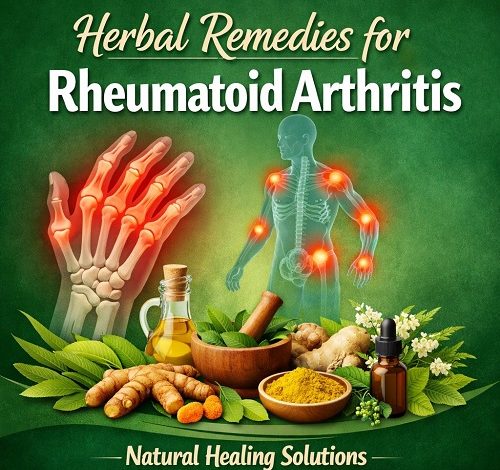
Rheumatoid arthritis (RA) is a chronic autoimmune disorder that primarily affects the joints, causing inflammation, stiffness, pain, and, over time, potential deformity. Unlike osteoarthritis, which results from wear and tear, RA occurs when the immune system mistakenly attacks the synovium — the lining of the membranes surrounding the joints. This leads to chronic inflammation that can affect multiple joints and even organs in severe cases. While conventional medicine offers treatments such as disease-modifying antirheumatic drugs (DMARDs) and biologics, many individuals seek complementary approaches to manage symptoms and enhance joint health naturally. One of the most popular approaches is the use of herbal remedies.
Herbal remedies have been used for centuries in traditional medicine systems worldwide, such as Ayurveda, Traditional Chinese Medicine (TCM), and Native American herbal practices. These remedies offer anti-inflammatory, antioxidant, and immunomodulatory properties that can support joint health, reduce pain, and improve mobility. The most effective herbal remedies for rheumatoid arthritis, backed by scientific studies and traditional knowledge.
Understanding Rheumatoid Arthritis
Rheumatoid arthritis is more than just joint pain. It is an autoimmune condition where the immune system produces antibodies that attack the body’s tissues, particularly the synovial lining of joints. The resulting inflammation can cause:
- Persistent joint pain and swelling
- Morning stiffness lasting over an hour
- Fatigue and malaise
- Reduced range of motion
- Joint deformities in advanced stages
Although RA is not curable, proper management can slow disease progression, reduce pain, and improve quality of life. This is where herbal remedies can complement standard therapies by supporting joint function and overall well-being.
How Herbal Remedies Help Rheumatoid Arthritis
Herbal remedies for rheumatoid arthritis work through several mechanisms:
- Anti-inflammatory effects – Herbs such as turmeric and ginger contain compounds like curcumin and gingerol that reduce pro-inflammatory cytokines responsible for joint inflammation.
- Pain relief – Certain herbs act as natural analgesics, alleviating joint discomfort without the side effects associated with long-term NSAID use.
- Immune modulation – Herbal remedies can help regulate immune system overactivity, a core issue in autoimmune disorders like RA.
- Antioxidant properties – Oxidative stress can worsen joint damage; antioxidants in herbs combat free radicals, protecting joint tissues.
- Support for joint cartilage – Some herbs help in preserving cartilage integrity, preventing further degeneration.
By addressing both inflammation and immune dysregulation, herbal remedies can play a supportive role in RA management.
Top Herbal Remedies for Rheumatoid Arthritis
Here is a list of some of the most researched and effective herbal remedies for rheumatoid arthritis:
1. Turmeric (Curcuma longa)
Turmeric is one of the most widely used herbs for RA due to its powerful anti-inflammatory properties. Its active compound, curcumin, inhibits inflammatory pathways such as NF-kB, which is involved in chronic inflammation.
Benefits:
- Reduces joint swelling and pain
- Improves mobility
- Supports overall immune balance
How to Use:
- Add turmeric powder to meals or make turmeric tea
- Take curcumin supplements after consulting a healthcare professional
Scientific Evidence:
Multiple studies show that curcumin supplementation significantly reduces joint tenderness and morning stiffness in RA patients, sometimes comparable to conventional NSAIDs.
2. Ginger (Zingiber officinale)
Ginger contains bioactive compounds like gingerols and shogaols, which have potent anti-inflammatory and analgesic effects.
Benefits:
- Reduces joint inflammation
- Relieves pain and stiffness
- Enhances digestive health
How to Use:
- Drink ginger tea daily
- Include fresh or powdered ginger in cooking
- Ginger supplements may be taken under supervision
Scientific Evidence:
Clinical trials have demonstrated that ginger extract can improve RA symptoms by reducing pro-inflammatory markers.
3. Boswellia (Boswellia serrata)
Also known as Indian frankincense, boswellia is renowned for its anti-inflammatory properties, particularly in joint disorders.
Benefits:
- Reduces joint swelling and stiffness
- Supports cartilage health
- Decreases pain associated with RA
How to Use:
- Boswellia extracts in capsule or tablet form
- Topical formulations for joint pain relief
Scientific Evidence:
Studies have shown that boswellia can improve joint function and decrease pain in RA patients, with fewer side effects than conventional NSAIDs.
4. Ashwagandha (Withania somnifera)
Ashwagandha, a staple in Ayurvedic medicine, is an adaptogen that helps the body manage stress while modulating immune function.
Benefits:
- Reduces inflammation
- Supports immune regulation
- Enhances overall energy and vitality
How to Use:
- Take as capsules or powder mixed with warm milk
- Can be included in daily herbal tonics
Scientific Evidence:
Research indicates that ashwagandha can reduce inflammatory markers such as CRP and TNF-alpha, improving RA symptoms over time.
5. Willow Bark (Salix alba)
Willow bark is a natural source of salicin, a compound similar to aspirin, providing pain-relieving properties.
Benefits:
- Alleviates joint pain
- Reduces inflammation
- Safer alternative for those who cannot tolerate NSAIDs
How to Use:
- Consume as tea or standardized extracts
- Use under guidance if on other medications
Scientific Evidence:
Clinical trials suggest willow bark is effective for pain management in RA, particularly in mild to moderate cases.
6. Green Tea (Camellia sinensis)
Green tea is rich in polyphenols, particularly epigallocatechin gallate (EGCG), which has anti-inflammatory and antioxidant effects.
Benefits:
- Reduces joint inflammation
- Protects cartilage
- Supports immune system balance
How to Use:
- Drink 2–3 cups of green tea daily
- Green tea extracts are available in supplement form
Scientific Evidence:
Studies have shown that EGCG can suppress inflammatory pathways involved in RA and protect joint tissues from damage.
7. Cat’s Claw (Uncaria tomentosa)
Cat’s claw is a woody vine used traditionally in South America to manage inflammation and autoimmune conditions.
Benefits:
- Reduces joint pain and swelling
- Modulates immune response
- Improves joint mobility
How to Use:
- Take as capsules, tinctures, or tea
- Consult a healthcare provider before use
Scientific Evidence:
Clinical research supports cat’s claw’s role in reducing RA-related symptoms, particularly inflammation and immune dysregulation.
8. Evening Primrose Oil (Oenothera biennis)
Evening primrose oil contains gamma-linolenic acid (GLA), an omega-6 fatty acid with anti-inflammatory properties.
Benefits:
- Reduces joint pain and tenderness
- Supports skin and overall health
- Helps balance immune system function
How to Use:
- Take in capsule form as per dosage instructions
- Often used as a complementary therapy with other herbal remedies
Scientific Evidence:
Some studies indicate GLA supplementation can reduce pain and morning stiffness in RA patients over several months.
9. Thunder God Vine (Tripterygium wilfordii)
A traditional Chinese herb, thunder god vine, is used in TCM to reduce autoimmune activity and inflammation.
Benefits:
- Suppresses immune overactivity
- Reduces joint swelling
- Improves mobility
How to Use:
- Typically used as standardized extracts
- Requires supervision due to potential side effects
Scientific Evidence:
Research shows effectiveness in reducing RA symptoms, though long-term use should be monitored for safety.
10. Devil’s Claw (Harpagophytum procumbens)
Native to Southern Africa, devil’s claw contains harpagosides, which have anti-inflammatory and analgesic properties.
Benefits:
- Alleviates joint pain and stiffness
- Supports mobility
- Offers natural alternative to NSAIDs
How to Use:
- Take as capsules or standardized extracts
- Can be applied topically in creams for localized pain
Scientific Evidence:
Clinical trials have demonstrated reductions in pain scores and improved joint function in patients with RA.
Integrating Herbal Remedies into Daily Life
While herbal remedies can support joint health, integrating them into daily routines is key for long-term benefits. Here are some tips:
- Combine with a healthy diet – Include anti-inflammatory foods like fatty fish, leafy greens, nuts, and berries.
- Stay active – Gentle exercises such as swimming, yoga, and walking help maintain joint mobility.
- Use herbs consistently – Herbal remedies often work best with regular, long-term use.
- Consult healthcare providers – Especially important if you are on prescription medications or have comorbid conditions.
- Opt for quality supplements – Choose standardized extracts with verified purity to ensure efficacy.
Lifestyle Practices That Complement Herbal Remedies
- Weight management: Maintaining a healthy weight reduces stress on joints.
- Stress reduction: Practices like meditation, deep breathing, and mindfulness support immune health.
- Adequate sleep: Quality sleep allows the body to repair tissues and modulate inflammation.
- Heat and cold therapy: Warm compresses and cold packs can temporarily relieve joint pain.
- Physical therapy: Gentle stretching and strength exercises maintain flexibility and muscle support around joints.
By combining herbal remedies with these lifestyle practices, individuals can create a holistic approach to managing RA and improving joint health.
Precautions and Considerations
While herbal remedies are generally safe, some precautions are necessary:
- Allergic reactions: Always test new herbs in small amounts to rule out allergies.
- Drug interactions: Herbs like willow bark, turmeric, and thunder god vine may interact with blood thinners or immunosuppressants.
- Pregnancy and breastfeeding: Certain herbs may not be safe during pregnancy or lactation.
- Dosage monitoring: Overuse of herbal supplements can lead to side effects, such as gastrointestinal upset.
Consulting a healthcare professional ensures safe and effective use of herbal remedies for rheumatoid arthritis.
Conclusion
Rheumatoid arthritis is a challenging autoimmune condition that significantly affects quality of life. While conventional medicine remains the cornerstone of RA treatment, herbal remedies offer a natural, complementary approach to manage symptoms, reduce inflammation, and support joint health. Herbs such as turmeric, ginger, boswellia, ashwagandha, and green tea provide potent anti-inflammatory, analgesic, and immune-modulating properties that can enhance overall well-being.
Incorporating these herbal remedies into a balanced lifestyle — including a nutritious diet, regular exercise, and stress management — can significantly improve joint mobility, reduce pain, and contribute to a better quality of life for those living with RA. Remember, consistency, quality, and professional guidance are key to maximizing the benefits of herbal therapies.
By embracing these natural approaches alongside medical treatment, individuals with rheumatoid arthritis can take an active role in supporting their joint health and overall vitality.