

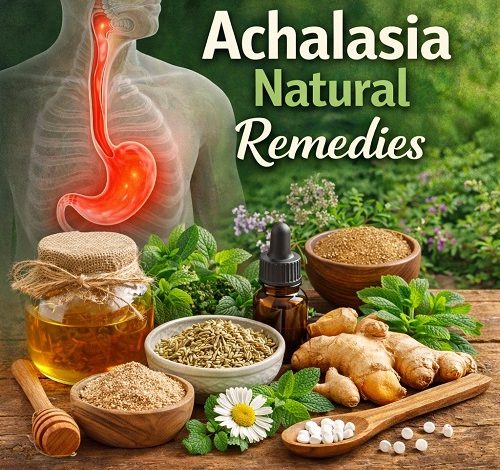
Achalasia is a rare but serious disorder that affects the esophagus, the tube that carries food from the mouth to the stomach. This condition makes it difficult for the esophagus to move food downward, leading to symptoms such as difficulty swallowing, regurgitation of food, chest pain, and weight loss. While medical interventions like pneumatic dilation, surgical myotomy, and medications are commonly recommended, many patients are interested in supportive therapies that can improve symptoms naturally. This is where Achalasia Natural Remedies come into play.
Home remedies for achalasia, natural remedies for achalasia, and lifestyle strategies that may support digestive health and overall well-being. While these remedies cannot replace professional medical care, they can complement treatment and help ease discomfort.
Understanding Achalasia and Its Impact
Achalasia occurs when the lower esophageal sphincter (LES)—a muscular ring at the base of the esophagus—fails to relax properly during swallowing. This results in food getting stuck in the esophagus, leading to regurgitation and potential malnutrition. Although the exact cause is unclear, it is often linked to nerve damage in the esophagus, autoimmune conditions, or infections.
Symptoms of achalasia include:
- Difficulty swallowing (dysphagia)
- Regurgitation of undigested food
- Chest pain or pressure
- Heartburn
- Unexplained weight loss
- Coughing or choking, especially at night
These symptoms can significantly impact a person’s quality of life. Incorporating Achalasia Natural Remedies alongside conventional therapy may help manage these symptoms more effectively.
1. Diet Modifications: The Foundation of Digestive Support
Dietary changes are often the first step in managing achalasia symptoms. Food consistency, meal timing, and portion size can significantly influence comfort and nutrient absorption.
a. Soft and Liquid Diet
Switching to a softer diet can reduce the strain on the esophagus. Pureed foods, soups, smoothies, and yogurt are easier to swallow and less likely to cause obstruction.
Tips:
- Avoid dry, tough, or fibrous foods like steak, raw vegetables, and nuts.
- Eat small, frequent meals instead of large portions.
- Drink water or non-carbonated liquids during meals to aid swallowing.
b. Avoid Trigger Foods
Certain foods may aggravate symptoms or worsen esophageal spasms. These include:
- Spicy foods
- Acidic foods like citrus and tomatoes
- Caffeinated beverages
- Alcohol
By identifying and avoiding trigger foods, patients can prevent discomfort and reduce the frequency of symptoms.
c. Meal Timing and Position
Eating slowly and chewing food thoroughly is essential. Additionally, it is recommended to remain upright for at least 30–60 minutes after eating to prevent regurgitation and reflux.
2. Herbal Remedies for Achalasia
Several Herbal Remedies have shown potential in easing esophageal discomfort, improving digestion, and promoting relaxation of the esophageal muscles.
a. Slippery Elm (Ulmus rubra)
Slippery elm contains mucilage, a gel-like substance that coats and soothes the esophagus. It can reduce irritation and ease swallowing difficulties.
Usage:
- Mix 1–2 teaspoons of slippery elm powder in warm water and drink before meals.
- Available as lozenges for easier consumption.
b. Marshmallow Root (Althaea officinalis)
Like slippery elm, marshmallow root has mucilage properties that protect the esophageal lining and reduce inflammation.
Usage:
- Brew marshmallow root tea and drink it 20–30 minutes before meals.
- Can also be taken as a capsule supplement under guidance.
c. Chamomile (Matricaria chamomilla)
Chamomile is known for its anti-inflammatory and muscle-relaxing properties, which can calm spasms in the esophagus.
Usage:
- Drink chamomile tea daily.
- Inhale chamomile steam for added relaxation and relief from reflux.
3. Essential Oils and Aromatherapy
Aromatherapy may help reduce stress-related esophageal spasms. Stress and anxiety are known triggers for achalasia symptoms, so relaxation is key.
Recommended Oils:
- Peppermint oil: Helps relax digestive muscles but should be avoided in severe reflux cases.
- Ginger oil: Stimulates digestion and reduces nausea.
- Lavender oil: Promotes relaxation and reduces stress-induced digestive issues.
Usage:
- Diffuse essential oils in the room.
- Massage diluted oils into the abdomen or chest for localized relief.
- Always dilute essential oils with a carrier oil and avoid direct ingestion unless recommended by a professional.
4. Natural Anti-Spasmodic Remedies
Esophageal spasms are a hallmark of achalasia, and certain natural remedies may help relax the esophageal muscles.
a. Magnesium-Rich Foods
Magnesium supports muscle relaxation and may ease esophageal spasms. Foods rich in magnesium include:
- Leafy greens (spinach, kale)
- Nuts and seeds (almonds, pumpkin seeds)
- Whole grains (brown rice, oats)
Magnesium supplements may also be considered but should be discussed with a healthcare provider to avoid interactions.
b. Ginger
Ginger has natural anti-inflammatory and anti-spasmodic properties. It can help with nausea, improve digestion, and soothe esophageal irritation.
Usage:
- Fresh ginger tea: Steep sliced ginger in hot water for 10–15 minutes.
- Add ginger to meals or smoothies for daily intake.
c. Peppermint
Peppermint relaxes smooth muscles and may aid swallowing. Peppermint tea is a gentle way to benefit from its properties, but avoid peppermint if experiencing severe acid reflux.
5. Lifestyle Changes as Achalasia Natural Remedies
Beyond diet and herbs, lifestyle adjustments play a critical role in symptom management.
a. Stress Reduction
Stress can exacerbate achalasia symptoms, including esophageal spasms. Techniques for stress reduction include:
- Yoga and gentle stretching
- Meditation and mindfulness
- Deep-breathing exercises
- Progressive muscle relaxation
Regular stress management improves digestive efficiency and may reduce the severity of achalasia episodes.
b. Maintain Hydration
Drinking enough water throughout the day helps keep the esophagus lubricated and facilitates the smooth passage of food. Sipping water with meals can be particularly beneficial for people with achalasia.
c. Avoid Lying Down Immediately After Eating
Gravity aids digestion. Patients should stay upright for at least an hour after meals to minimize regurgitation and discomfort.
6. Acupressure and Reflexology
Some patients find relief through complementary therapies like acupressure and reflexology. Targeted pressure points may stimulate the digestive system and reduce esophageal tension.
Common Acupressure Points:
- Stomach 36 (Zu San Li): Supports overall digestive health
- Pericardium 6 (Neiguan): Reduces nausea and esophageal discomfort
- Conception Vessel 12 (Zhongwan): Enhances stomach and esophageal function
Professional guidance is recommended to safely use these techniques.
7. Natural Enzymes and Probiotics
Digestive enzymes and probiotics can support overall digestive health and reduce secondary complications like bloating and bacterial overgrowth.
a. Digestive Enzymes
Enzymes like amylase, protease, and lipase improve the breakdown of food, which can ease the strain on the esophagus.
b. Probiotics
Probiotics, found in yogurt, kefir, and fermented foods, help maintain gut microbiota balance. A healthy gut microbiome may indirectly improve digestive motility and reduce discomfort associated with achalasia.
8. Honey as a Natural Remedy for Achalasia
Honey has soothing and antibacterial properties that may help ease esophageal irritation. Consuming a teaspoon of honey before meals can coat the esophagus and facilitate smoother swallowing. Raw, unprocessed honey is preferred for maximum benefits.
9. Apple Cider Vinegar in Moderation
Apple cider vinegar (ACV) is often suggested for digestive issues due to its ability to stimulate gastric juices. However, for achalasia, it must be used cautiously because acidity can aggravate esophageal irritation.
Usage:
- Mix 1 teaspoon of ACV in a glass of water and drink before meals.
- Monitor tolerance and discontinue if symptoms worsen.
10. Home Remedies for Achalasia: Practical Tips
Here is a summary of home remedies for achalasia that can be implemented safely:
- Eat soft, moist foods and avoid dry solids.
- Chew food thoroughly and eat small meals.
- Maintain an upright posture after eating.
- Drink warm liquids like herbal teas to ease swallowing.
- Incorporate slippery elm, marshmallow root, or chamomile teas.
- Manage stress with yoga, meditation, or deep-breathing exercises.
- Use magnesium-rich foods to support muscle relaxation.
- Consider probiotics and digestive enzymes to support gut health.
- Try natural anti-spasmodic foods like ginger and peppermint.
- Avoid known trigger foods such as spicy, acidic, or heavily processed items.
11. When to Seek Medical Advice
While Achalasia Natural Remedies can help manage symptoms, they cannot replace medical evaluation or treatment. Severe cases may require interventions such as:
- Pneumatic dilation: Stretching the lower esophageal sphincter
- Heller myotomy: Surgical procedure to cut the LES muscle
- Peroral endoscopic myotomy (POEM): Minimally invasive procedure to improve swallowing
- Medications: Such as calcium channel blockers or nitrates to relax the LES
If you experience worsening difficulty swallowing, significant weight loss, persistent chest pain, or frequent regurgitation, it is critical to consult a gastroenterologist immediately.
Conclusion
Living with achalasia can be challenging, but incorporating Achalasia Natural Remedies, Natural Remedy for Achalasia, and home remedies for achalasia can provide meaningful symptom relief and improve digestive health. Dietary adjustments, herbal therapies, lifestyle changes, and stress management all play essential roles in complementing medical care.
By adopting these natural strategies, patients may experience less discomfort, improved swallowing, and enhanced overall quality of life. Remember, natural remedies are most effective when used alongside professional medical treatment, not as a replacement.