
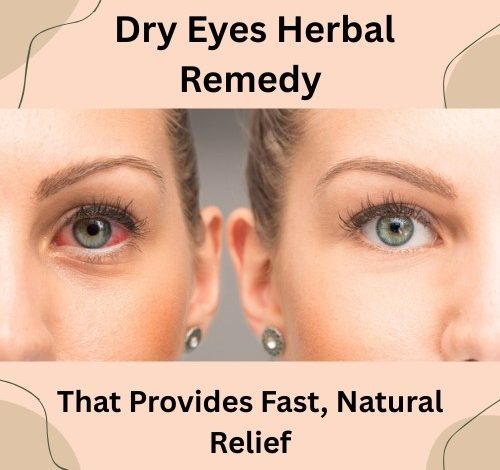
Dry, irritated eyes can disrupt daily life more than many people expect. You may struggle with burning, redness, blurred vision, or a constant gritty feeling that makes reading, screen work, or driving uncomfortable. As a medical professional with clinical experience in eye health and a content strategist who has worked with patient-focused education for over a decade, I know how frustrating this condition feels and how often people search for gentle, natural solutions that fit easily into everyday life.
I speak directly to patients, caregivers, and anyone seeking reliable information about natural eye care. I explain what causes dry eyes, how herbal options may help, and how to use them safely alongside medical advice. The focus remains practical, evidence-informed, and easy to follow, without unnecessary jargon.
What dry eyes feel like and why symptoms vary
Dry eye disease develops when your eyes fail to produce enough tears or when the tears evaporate too quickly. Tears do far more than keep eyes wet. They protect the surface of the eye, wash away debris, reduce infection risk, and help maintain clear vision.

You may notice:
- A stinging or burning sensation
- Redness or visible irritation
- Sensitivity to light
- Blurred vision that improves after blinking
- A gritty or sandy feeling
- Excessive tearing as a reflex response
Symptoms often worsen after long hours on digital screens, in air-conditioned rooms, during allergy seasons, or with ageing. Hormonal changes, certain medicines, contact lens use, and autoimmune conditions also play a role.
Dry eyes rarely stem from a single cause. For this reason, relief usually comes from a combination of daily habits, medical care when needed, and supportive natural measures.
Why many people turn to herbal options
Many patients ask whether plant-based approaches can ease discomfort without causing side effects. This interest makes sense. Herbal remedies have a long history in eye care, especially in traditional systems that focused on soothing inflammation and supporting tear balance.
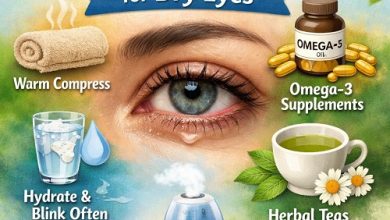
A Dry Eyes Herbal Remedy can appeal because it often aims to calm irritation, support tear quality, and nourish delicate eye tissues. People often choose these options when they experience mild to moderate symptoms or when they want additional comfort alongside prescribed treatments.
Herbal support does not replace professional eye care. Instead, it can form part of a broader, sensible approach that respects both traditional knowledge and modern clinical standards.
Key herbs commonly used for dry eye support
Below, I explain several herbs frequently discussed in relation to eye comfort. I describe how they may help and how people usually use them. Always speak with an optometrist, ophthalmologist, or pharmacist before trying new remedies, especially if you already use eye drops or medicines.
Chamomile
Chamomile contains compounds known for their calming and anti-inflammatory properties. People often use chamomile compresses to soothe tired, irritated eyes.
You can prepare a cooled chamomile tea, soak a clean cloth, and gently place it over closed eyelids. This method may help reduce redness and discomfort after screen use or environmental exposure.
Eyebright (Euphrasia)
Eyebright has a long history in European herbal practice for eye complaints. Traditional use links it with relief from mild irritation, watery eyes, and redness.
Herbalists often include eyebright in teas or eye-wash preparations, although you must only use sterile, professionally prepared products for eye contact. Never apply homemade eye drops directly into the eyes.
Calendula
Calendula supports tissue comfort and skin health. In eye care, practitioners sometimes use it externally to calm the delicate skin around the eyes, especially when dryness affects eyelids.
Calendula-based creams or compresses may help if dryness comes with mild skin irritation around the eyes.
Aloe vera
Aloe vera offers soothing and hydrating effects. While people commonly use it for skin conditions, some eye products include purified aloe extracts to support comfort.
You should never apply raw aloe gel directly into the eyes. Only use products specifically formulated and tested for eye use.
How herbal approaches may ease dry eye symptoms
Herbal support usually works by addressing factors that worsen dryness rather than replacing tears directly. Depending on the herb and formulation, benefits may include:
- Reducing surface irritation
- Supporting the natural tear film
- Calming inflammatory responses
- Improving comfort around eyelids
These effects may feel subtle at first. Many people notice gradual improvement with consistent, careful use rather than instant results.
Safety considerations you must not ignore
Eye tissues remain extremely sensitive. Even natural substances can cause harm if used incorrectly. I always stress the following points to patients:
- Never place unsterilised liquids or homemade drops directly into the eyes
- Avoid herbs if you have known allergies to plants in the same family
- Stop use immediately if irritation, pain, or blurred vision worsens
- Seek urgent medical care for severe pain, discharge, or sudden vision changes
Children, pregnant women, and people with chronic eye disease need extra caution and professional guidance.
Daily habits that support herbal remedies
Herbal options work best when combined with everyday habits that protect eye health. Simple changes often bring meaningful relief.
Improve your environment
Dry air worsens symptoms. Using a humidifier at home or work can help maintain moisture levels. Position screens slightly below eye level so you blink more naturally.
Follow the 20-20-20 rule
Every 20 minutes, look at something 20 feet away for 20 seconds. This habit encourages blinking and reduces strain.
Stay hydrated
Your body needs adequate fluids to produce healthy tears. Drink water regularly throughout the day.
Review medicines
Some medicines contribute to dryness. Speak with your GP or pharmacist if symptoms started after a new prescription.
Nutrition and eye comfort
Diet plays a supportive role in eye health. While no food cures dry eyes, certain nutrients support tear quality and reduce inflammation.
- Omega-3 fatty acids from oily fish or flaxseed
- Vitamin A from carrots, sweet potatoes, and leafy greens
- Vitamin E from nuts and seeds
A balanced diet supports overall eye surface health and may complement herbal strategies.
Linking dry eyes with other eye concerns
Dryness often occurs alongside other eye-area concerns. Many patients notice puffiness, irritation of the eyelids, or crusting along the lash line.
You may find it helpful to read about Natural Remedies for Eye Bags if you experience swelling or tired-looking eyes alongside dryness. Likewise, people with eyelid irritation or flaking often benefit from learning about Natural Remedies for Blepharitis, as lid hygiene plays a major role in comfort.
Exploring related conditions can help you recognise patterns and choose supportive care that addresses the whole eye area, not just one symptom.
How quickly can you expect relief?
People often ask how fast herbal remedies work. The answer depends on the cause and severity of dryness.
- Mild, lifestyle-related dryness may improve within days
- Ongoing symptoms linked to medical conditions may need weeks of consistent care
- Severe dry eye disease often requires medical treatment alongside natural support
I always encourage patience and realistic expectations. Herbal approaches usually offer comfort rather than a cure.
When to seek professional eye care
Natural care has limits. You should book an eye examination if:
- Symptoms persist despite home care
- You experience pain or light sensitivity
- Vision changes occur
- Discharge or swelling develops
An optometrist or ophthalmologist can assess tear quality, eyelid health, and underlying causes. Early assessment prevents complications and protects long-term vision.
Can herbal remedies replace eye drops?
Herbal approaches usually complement, not replace, medical treatments. Artificial tears provide direct lubrication, while prescription drops may reduce inflammation or address specific causes.
Some people reduce their reliance on drops once symptoms improve, but this decision should involve professional advice. Stopping prescribed treatment without guidance can worsen symptoms.
Choosing quality herbal products
If you decide to try a herbal product, quality matters. Look for:
- Clear ingredient lists
- Products made for eye or peri-ocular use
- Reputable manufacturers with safety testing
- Guidance from qualified practitioners
Avoid products that promise instant cures or dramatic results. Eye care requires caution and honesty.
Emotional impact of chronic dry eyes
Many people underestimate how dry eyes affect mood and daily enjoyment. Persistent discomfort can lead to frustration, fatigue, and reduced productivity. Acknowledging this emotional aspect helps you seek care sooner and remain consistent with treatment plans.
You deserve comfort and clear vision. Taking dry eye symptoms seriously supports both physical and emotional wellbeing.
Final thoughts on natural relief for dry eyes
Dry eyes can feel relentless, but you have options. A thoughtful approach that combines medical advice, daily habits, and gentle herbal support often brings meaningful relief. A Dry Eyes Herbal Remedy may calm irritation and support comfort when used safely and consistently.
Always prioritise eye safety, remain alert to warning signs, and involve healthcare professionals when symptoms persist. With the right balance of care, many people regain comfort, confidence, and clarity in their daily lives.