
Burdock root has been used for centuries in traditional medicine systems across Asia and Europe. Known for its detoxifying, anti-inflammatory, and healing properties, this humble root has gained modern attention as a powerful natural remedy. If you’re looking to explore the Uses for Burdock root, understand its healing potential, and learn about the Benefits for Burdock root as well as possible Side Effects for Burdock root, this comprehensive guide will provide everything you need to know.
What Is Burdock Root?
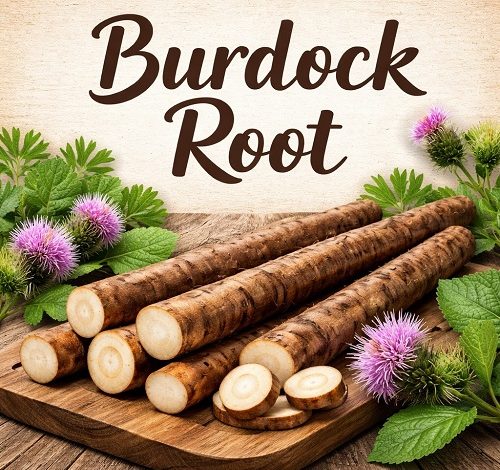
Burdock root comes from the burdock plant (scientifically known as Arctium lappa), a biennial herb belonging to the Asteraceae family. It grows widely in Europe, Asia, and North America and is easily recognized by its large leaves and burr-like seed heads.
Traditionally, burdock root has been a staple in herbal medicine, especially in Chinese and Japanese healing systems. In Japan, it is commonly called “gobo” and used as a vegetable in cooking.
Nutritional Profile of Burdock Root
Before diving into the Uses for Burdock root, it’s important to understand why it is so beneficial. Burdock root is rich in:
- Dietary fiber (especially inulin)
- Antioxidants (quercetin, luteolin, phenolic acids)
- Vitamins (Vitamin C, Vitamin E, B-complex)
- Minerals (iron, potassium, magnesium)
- Prebiotics that support gut health
These nutrients contribute significantly to the Benefits for Burdock root and make it a powerful natural remedy.
Top Uses for Burdock Root
The Uses for Burdock root are wide-ranging, from internal health to external applications. Below are the most common and effective uses.
1. Natural Blood Purifier
One of the most popular traditional Uses for Burdock root is as a blood purifier. It helps remove toxins from the bloodstream, promoting clearer skin and improved organ function.
2. Skin Health and Acne Treatment
Burdock root is widely used for treating skin conditions like acne, eczema, and psoriasis. Its antibacterial and anti-inflammatory properties help reduce redness, swelling, and breakouts.
3. Digestive Health Support
Due to its high inulin content, burdock root acts as a prebiotic, feeding beneficial gut bacteria. This improves digestion and helps relieve constipation and bloating.
4. Detoxification
Burdock root supports liver function and helps eliminate toxins from the body. This detoxifying effect is one of the key Uses for Burdock root in natural medicine.
5. Diuretic Effects
It acts as a natural diuretic, helping the body eliminate excess fluids and reduce water retention.
6. Immune System Booster
The antioxidants in burdock root strengthen the immune system and help the body fight infections.
7. Anti-inflammatory Remedy
Burdock root is commonly used to reduce inflammation, making it beneficial for conditions like arthritis and joint pain.
8. Hair Health
Some people use burdock root oil to promote hair growth, reduce dandruff, and improve scalp health.
9. Blood Sugar Regulation
Burdock root may help regulate blood sugar levels, making it beneficial for people with diabetes or insulin resistance.
10. Cancer Support (Complementary Use)
Some studies suggest that burdock root contains compounds that may inhibit the growth of certain cancer cells. However, it should only be used as a complementary approach, not a replacement for medical treatment.
Benefits for Burdock Root
The Benefits for Burdock root go beyond basic nutrition. Here are the most important health advantages:
1. Powerful Antioxidant Properties
Burdock root is packed with antioxidants that protect cells from damage caused by free radicals. This helps reduce the risk of chronic diseases.
2. Supports Liver Health
It enhances liver function and aids in detoxification, helping the body process and eliminate toxins more efficiently.
3. Promotes Healthy Skin
Its blood-purifying and anti-inflammatory properties contribute to clearer, healthier skin.
4. Improves Digestion
As a prebiotic, burdock root supports a healthy gut microbiome, improving digestion and nutrient absorption.
5. Anti-inflammatory Effects
It reduces inflammation throughout the body, which can help with conditions like arthritis and autoimmune disorders.
6. Strengthens Immunity
Regular use may help boost the immune system, making the body more resistant to infections.
7. Supports Heart Health
Burdock root may help lower cholesterol levels and improve circulation, reducing the risk of heart disease.
8. Aids in Weight Management
Its fiber content promotes satiety, helping control appetite and support weight loss efforts.
9. Hormonal Balance
Some herbalists believe burdock root helps balance hormones, especially in women.
10. Antimicrobial Properties
It can help fight bacteria and fungi, making it useful for both internal and external infections.
Side Effects for Burdock Root
While the root offers many benefits, it’s important to be aware of the potential Side Effects for Burdock root.
1. Allergic Reactions
People allergic to plants in the Asteraceae family (like daisies or ragweed) may experience allergic reactions such as rash or itching.
2. Dehydration Risk
Due to its diuretic effects, excessive use may lead to dehydration if not balanced with adequate fluid intake.
3. Blood Sugar Levels
Burdock root may lower blood sugar, which could be risky for people already taking diabetes medications.
4. Pregnancy and Breastfeeding Concerns
It is generally not recommended for pregnant or breastfeeding women, as it may stimulate uterine contractions.
5. Drug Interactions
Burdock root may interact with:
- Diuretics
- Blood thinners
- Diabetes medications
6. Contamination Risk
Wild burdock root can sometimes be contaminated with harmful substances or mistaken for toxic plants like belladonna.
How to Use Burdock Root
There are several ways to incorporate burdock root into your daily routine:
1. Burdock Root Tea
One of the easiest Uses for Burdock root is making tea.
How to prepare:
- Boil 1 teaspoon of dried burdock root in water for 10 minutes
- Strain and drink once or twice daily
2. Capsules and Supplements
Available in health stores, these provide a convenient way to consume burdock root.
3. Burdock Root Oil
Used topically for skin and hair care.
4. Fresh or Cooked Root
In Asian cuisine, burdock root is often stir-fried, boiled, or added to soups.
5. Tinctures
Alcohol-based extracts offer a concentrated form of burdock root.
Recommended Dosage
There is no universally established dosage, but general guidelines include:
- Tea: 1–3 cups daily
- Capsules: Follow manufacturer instructions
- Tincture: 2–4 ml, 2–3 times daily
Always consult a healthcare professional before starting any herbal supplement.
Burdock Root in Traditional Medicine
Traditional Chinese Medicine (TCM)
In TCM, burdock root is used to:
- Clear heat and toxins
- Treat sore throats and colds
- Improve skin conditions
Japanese Medicine
In Japan, burdock root (gobo) is considered a longevity food and is commonly consumed for its health benefits.
Western Herbal Medicine
Western herbalists use burdock root for:
- Detoxification
- Skin conditions
- Digestive support
Scientific Research on Burdock Root
Modern research supports many traditional claims about the Benefits for Burdock root:
- Studies show its antioxidant compounds reduce oxidative stress
- Research suggests anti-inflammatory effects
- Some evidence indicates potential anti-cancer properties
However, more human studies are needed to confirm these benefits fully.
Who Should Use Burdock Root?
Burdock root may be beneficial for:
- Individuals with skin issues (acne, eczema)
- People seeking natural detox solutions
- Those with digestive problems
- Individuals looking to boost immunity
Who Should Avoid It?
Due to possible Side Effects for Burdock root, it should be avoided by:
- Pregnant or breastfeeding women
- People with allergies to similar plants
- Individuals on certain medications (unless approved by a doctor)
Tips for Safe Use
To maximize the Uses for Burdock root safely:
- Start with a small dose
- Monitor your body’s response
- Use high-quality, trusted sources
- Avoid long-term excessive use
Burdock Root vs Other Detox Herbs
Compared to other detox herbs like dandelion or milk thistle, burdock root offers:
- Stronger skin benefits
- Higher fiber content
- Better digestive support
However, each herb has its unique strengths, and they can often be used together.
Conclusion
Burdock root is a powerful natural remedy with a long history of use in traditional medicine. From improving skin health and digestion to supporting detoxification and immunity, the Uses for Burdock root are both diverse and effective.
The Benefits for Burdock root are backed by its rich nutritional profile and antioxidant properties, making it a valuable addition to a healthy lifestyle. However, like any herbal remedy, it’s important to be mindful of the Side Effects for Burdock root and use it responsibly.
If used correctly, burdock root can be a safe and natural way to support your overall health and well-being.
FAQs About Burdock Root
- Can burdock root be taken daily?
Yes, but in moderate amounts. Long-term use should be monitored.
- How long does it take to see results?
Results may vary, but some people notice improvements within a few weeks.
- Is burdock root safe for everyone?
No, certain individuals (pregnant women, people with allergies) should avoid it.
- Can it help with acne?
Yes, one of the most popular Uses for Burdock root is improving skin health.
- Does it really detox the body?
It supports natural detoxification processes, especially through the liver and kidneys.