
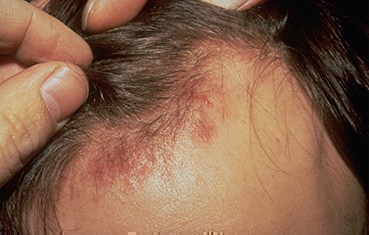
What is Seborrheic Dermatitis?
Seborrheic dermatitis, also known as seborrhea, sebopsoriasis, seborrheic eczema, and dandruff and pityriasis capitis is a chronic, relapsing and usually mild dermatitis.
In infants seborrheic dermatitis is called cradle cap.
It is an inflammatory skin disorder affecting the scalp, face, and torso. It particularly affects the sebaceous-gland-rich areas of skin.
Seborrheic dermatitis doesn’t affect one’s overall health, but it can be uncomfortable and cause embarrassment. It isn’t contagious, and it’s not a sign of poor personal hygiene.
Causes of Seborrheic Dermatitis:
The exact cause of seborrheic dermatitis is yet unknown.
However, it is thought to result from a combination of the following factors:
- Stress
- Genes
- A yeast that normally lives on skin
- Certain medical conditions and medicines
- Cold, dry weather
A number of factors increase the risk of developing seborrheic dermatitis, including:
- Neurological and psychiatric conditions, such as:
- Parkinson’s disease
- depression
- A weakened immune system, such as seen in:
- organ transplant recipients
- people with HIV/AIDS
- alcoholic pancreatitis
- Congestive heart failure
- Endocrine disease that leads to obesity, such as:
- Some medications
- Scratching or otherwise damaging the skin on your face
- Having the following medical conditions:
- Acne
- Eating disorders
- Epilepsy
- Psoriasis
- Rosacea
Symptoms of Seborrheic Dermatitis:
The following signs and symptoms are exhibited by Seborrheic Dermatitis:
- Skin flakes (dandruff) on the scalp, hair, eyebrows, beard or mustache
- Patches of greasy skin covered with flaky white or yellow scales or crust on the scalp, ears, face, chest, armpits, scrotum or other parts of the body
- Red skin
- Redness or crusting of the eyelids (blepharitis)
- Possibly itching or stinging
The following regions are susceptible to Seborrheic Dermatitis:
- On the face, especially around the nose, on the eyelids, or behind the ears.
- In the middle part of the chest
- Around the navel
- On buttocks
- In skin folds under arms and on legs
- In the groin
- Below breasts
Diagnosis of Seborrheic Dermatitis:
The doctor may scrape off skin cells for examination (biopsy) to rule out conditions with some symptoms similar to seborrheic dermatitis, including:
- This disorder also causes dandruff and red skin covered with flakes and scales
- This skin reaction causes itchy, inflamed skin in the folds of the elbows, on the backs of the knees or on the front of the neck
- This condition usually occurs on the face and has very little scaliness.
Treatment of Seborrheic Dermatitis:
Medicated shampoos, creams and lotions are the main treatments for seborrheic dermatitis. The following treatments are available:
- Creams, shampoos or ointments that control inflammation.
- Prescription-strength hydrocortisone
- fluocinolone
- desonide (Desowen, Desonide)
- Antifungal shampoo alternated with a stronger medication.
- Ketoconazole shampoo
- Antifungal medication taken as a pill. .
- Medications that affect the immune system
- Cream or gel that fights bacteria.
- metronidazole (Metrolotion, Metrogel)
- Light therapy with medication.
By : Natural Health News