

Swallowing problems can significantly impact daily life, affecting your ability to eat, drink, and maintain proper nutrition. Many people with conditions like achalasia, dysphagia, or general swallowing difficulties often find mealtimes stressful. Understanding which foods can ease swallowing and which may worsen it is essential for maintaining both comfort and health.
Swallowing problems, medically referred to as dysphagia, occur when the muscles of the throat or oesophagus do not function effectively. In achalasia, for example, the lower oesophageal sphincter fails to relax properly, causing difficulty in moving food from the throat into the stomach. This can lead to regurgitation, discomfort, and, in some cases, malnutrition if not managed carefully. Knowing how different foods interact with your swallowing muscles can make a meaningful difference in daily life.
Foods That Can Improve Swallowing Problems
Soft and Moist Foods
Soft foods reduce the effort required to chew and swallow. Foods like cooked vegetables, soft fruits, yoghurt, custards, mashed potatoes, and porridge provide nutrition without taxing the muscles of the mouth and throat. Moist foods that are easy to swallow, such as soups, stews, and smoothies, are particularly helpful.
Adding sauces or gravies can make dry foods easier to manage. For instance, plain rice or bread can become safer to swallow when served with a sauce. Smooth textures help the food slide easily down the oesophagus, reducing discomfort and the risk of choking.
High-Calorie Nutrient-Dense Options
People with swallowing difficulties often eat less because meals take longer and can be tiring. Incorporating nutrient-dense options ensures you still receive adequate calories and nutrients. Avocado, hummus, nut butters (if tolerated), and finely minced meats are excellent choices. These foods provide energy and essential vitamins while remaining manageable for swallowing.
Well-Cooked Proteins
Tender, well-cooked proteins are easier to chew and swallow than raw or fibrous alternatives. Slow-cooked chicken, fish, or lentils soften naturally during cooking, making them ideal for someone managing swallowing problems. Combining these proteins with a smooth sauce or stock further eases the process.
Pureed or Blended Meals
Blending meals into smooth textures can benefit anyone experiencing more severe swallowing difficulties. Pureed fruits, vegetables, and meats allow you to maintain a balanced diet while avoiding the strain of chewing and swallowing. Many people find that adding a small amount of broth, milk, or water helps achieve a consistency that slides comfortably down the oesophagus.
Hydrating Foods
Maintaining hydration is critical. Foods with high water content, such as melons, cucumbers, and soups, help prevent dehydration while also making swallowing easier. Sometimes, thickened fluids are recommended by a healthcare professional to reduce the risk of aspiration, but naturally moist foods can also support easier swallowing without additional additives.
Foods That Promote Oesophageal Muscle Health
Certain vitamins and supplements can support oesophageal function. For those exploring options, Supplements that help Esophagus Muscles Achalasia may improve muscle tone and motility. Additionally, vitamins and supplements online UK for immunity support can help strengthen your overall health, which indirectly supports better swallowing by maintaining muscle and nerve function.
Foods That May Worsen Swallowing Problems
While some foods can improve swallowing, others can make it more difficult or unsafe. Identifying these can prevent discomfort, choking, and further complications.
Dry or Crumbly Foods
Bread, crackers, dry cereals, and crackers may be difficult to swallow without sufficient liquid. Dry foods tend to stick in the throat or oesophagus, increasing the risk of aspiration. If you enjoy these foods, pair them with sauces, soups, or yoghurt to improve ease of swallowing.
Tough or Fibrous Meats
Steaks, jerky, and other fibrous meats require significant chewing effort. They can also stick in the throat if not adequately moistened. Slow-cooking or finely chopping these meats is a safer alternative.
Crunchy Vegetables
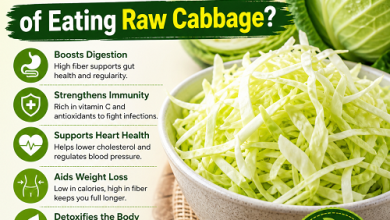
Raw vegetables like carrots, celery, and cabbage may be hard to chew and swallow, especially for individuals with reduced oesophageal motility. Steaming or pureeing vegetables reduces fibre toughness while retaining nutrients.
Large or Hard Fruits
Whole apples, pears, and similar fruits can present a choking hazard. Cutting fruits into small pieces, cooking them until soft, or blending them into smoothies helps make them safe to swallow.
Sticky Foods
Sticky foods such as peanut butter, dried fruits, and chewy candies can cling to the oesophagus, making swallowing difficult. These foods may be modified with liquids or avoided entirely depending on your swallowing ability.
Very Spicy or Acidic Foods
Foods high in spice or acidity, like citrus fruits, tomato sauces, and hot peppers, may trigger irritation in the oesophagus. For someone with achalasia, this irritation can increase discomfort and worsen symptoms like regurgitation or heartburn. Mildly seasoned foods and non-acidic sauces are safer choices.
Carbonated Drinks and Alcohol
Carbonated beverages introduce gas that can expand in the stomach and oesophagus, increasing discomfort during swallowing. Alcohol may relax the lower oesophageal sphincter excessively, particularly in achalasia, worsening reflux or regurgitation. Choosing still water, herbal teas, or non-carbonated drinks is a safer option.
Strategies to Make Eating Safer
Adjusting Food Temperature and Consistency
Experimenting with food temperature can make a noticeable difference. Some people find that warm foods slide more easily down the oesophagus, while others prefer cooler textures. Similarly, altering the thickness of liquids—using thickeners or blending—can prevent choking and aspiration.
Eating Smaller, Frequent Meals
Eating smaller portions reduces the burden on the oesophagus during each meal. Instead of three large meals, five to six smaller meals spaced throughout the day can improve comfort and nutrition. This approach also helps manage symptoms like regurgitation and bloating.
Proper Positioning
Eating upright and taking the time to chew thoroughly improves safety. Remaining seated for 30–60 minutes after meals can aid digestion and prevent reflux. Avoiding lying down immediately after eating reduces the risk of regurgitation, especially for those with achalasia.
Working With Specialists
Consulting a speech and language therapist or dietitian trained in swallowing disorders can provide personalised guidance. They can recommend appropriate foods, thickened liquids, and swallowing exercises that improve safety and comfort. For those seeking natural solutions, articles like Best Natural Remedies for Achalasia Swallowing Problems provide further insights into supportive dietary and lifestyle measures.
Sample Meal Ideas
Here are practical meal ideas that support safe swallowing while maintaining a balanced diet:
- Breakfast: Porridge with mashed banana and a spoon of smooth nut butter; herbal tea or warm milk.
- Lunch: Creamy vegetable soup with finely shredded chicken; soft bread dipped in soup.
- Snack: Smooth yoghurt with pureed berries or avocado mash with soft crackers (moistened).
- Dinner: Slow-cooked fish with mashed potato and pureed carrots; non-acidic sauce.
- Dessert: Stewed fruit or custard; blended smoothies with milk or plant-based alternatives.
Lifestyle Tips to Support Swallowing Health
- Hydration: Drink water regularly throughout the day. Adequate hydration maintains oesophageal moisture and aids food transit.
- Avoid Rushing Meals: Eating slowly and chewing thoroughly prevents choking and supports effective swallowing.
- Regular Exercise: Light physical activity promotes digestive motility and overall health.
- Monitor Symptoms: Keep a food diary to track which foods ease or worsen swallowing difficulties.
Conclusion
Swallowing problems can feel limiting, but the right foods and strategies can make mealtimes manageable and even enjoyable. Soft, moist, and well-cooked foods improve safety, while dry, tough, or sticky foods may worsen symptoms. Paying attention to texture, temperature, and portion size, along with hydration, can significantly reduce discomfort.
Supporting oesophageal health with dietary choices, vitamins, and supplements may also play a role in improving swallowing. For guidance, you can explore Supplements that help Esophagus Muscles Achalasia and check vitamins and supplements online UK for immunity support to maintain overall health. Combining safe food choices with professional advice ensures that swallowing problems are managed effectively, improving both nutrition and quality of life.
Eating safely with swallowing difficulties does not mean sacrificing variety or flavour. With careful selection of foods, small adjustments, and attention to individual tolerance, you can enjoy balanced meals that nourish the body and support swallowing health.