Natural Remedies for Scleroderma That Help Reduce Pain and Skin Tightness

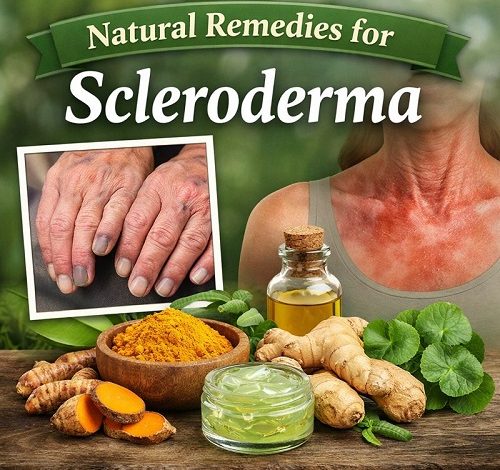
Scleroderma is a complex autoimmune condition that affects the skin and, in some cases, internal organs. It is characterized by excessive collagen production, leading to skin thickening, tightness, pain, and reduced mobility. While conventional medical treatments focus on symptom management and slowing disease progression, many people seek complementary approaches to improve comfort and quality of life.
Natural Remedies for Scleroderma have gained increasing attention for their potential to ease inflammation, reduce pain, improve circulation, and support skin health. Though these Herbal Remedies for Scleroderma are not a cure, they may help manage symptoms when used alongside medical care. This article explores holistic and natural strategies, including diet, lifestyle changes, and Herbal Treatment for Scleroderma, that may help reduce pain and skin tightness naturally.
Understanding Scleroderma and Its Symptoms
Scleroderma literally means “hard skin.” It occurs when the immune system mistakenly triggers excess collagen production, leading to thickened connective tissue. The condition ranges from localized forms affecting small skin areas to systemic forms that impact blood vessels, muscles, joints, and internal organs.
Common Symptoms Include:
- Skin tightening and hardening
- Pain and stiffness in joints and muscles
- Reduced flexibility and mobility
- Raynaud’s phenomenon (cold, numb fingers and toes)
- Fatigue and inflammation
- Digestive issues in systemic cases
While medical supervision is essential, incorporating Natural Remedies for Scleroderma may help address discomfort and support overall well-being.
Why Consider Natural Remedies for Scleroderma?
Natural approaches focus on reducing inflammation, supporting circulation, improving skin elasticity, and strengthening the immune system. Many individuals turn to these methods to complement prescribed treatments, aiming for long-term symptom relief with fewer side effects.
Potential Benefits of Natural Approaches:
- Reduced inflammation and stiffness
- Improved blood flow and warmth in extremities
- Enhanced skin hydration and flexibility
- Better stress management and emotional balance
- Overall improvement in daily comfort
It’s important to remember that natural remedies should support—not replace—medical care.
Anti-Inflammatory Diet for Scleroderma Relief
Diet plays a crucial role in managing autoimmune conditions. An anti-inflammatory eating pattern can help reduce systemic inflammation and support skin and joint health.
Foods That May Help:
- Omega-3 rich foods: Fatty fish, flaxseeds, chia seeds
- Fresh fruits and vegetables: Especially berries, leafy greens, and carrots
- Whole grains: Brown rice, quinoa, oats
- Healthy fats: Olive oil, avocados, nuts
Foods to Limit:
- Processed foods and refined sugars
- Excess salt
- Fried foods
- Artificial additives
A clean, nutrient-rich diet supports the effectiveness of other Natural Remedies for Scleroderma.
Herbal Treatment for Scleroderma: Nature’s Support
Herbs have been used for centuries in traditional healing systems to address inflammation, circulation, and immune balance. While scientific research is still evolving, many herbs are commonly included in a Herbal Treatment for Scleroderma approach.
1. Turmeric (Curcumin)
Turmeric is well known for its anti-inflammatory properties. Curcumin, its active compound, may help reduce joint pain and stiffness associated with scleroderma.
How it helps:
- Supports inflammation control
- May ease muscle and joint discomfort
2. Ginger
Ginger promotes circulation and may help reduce pain and stiffness, particularly in cold-sensitive hands and feet.
How it helps:
- Improves blood flow
- Reduces inflammatory discomfort
3. Boswellia (Indian Frankincense)
Boswellia has been traditionally used to manage inflammatory conditions and joint pain.
How it helps:
- Supports joint mobility
- May reduce swelling and pain
4. Gotu Kola
Often used for skin health, Gotu Kola may support collagen balance and skin elasticity.
How it helps:
- Promotes healthy skin tissue
- Supports circulation
5. Aloe Vera
Aloe vera is widely used for soothing skin irritation and dryness.
How it helps:
- Hydrates and softens tight skin
- Calms irritation when applied topically
When considering any Herbal Treatment for Scleroderma, consultation with a healthcare professional is strongly advised.
Natural Oils for Skin Softening and Pain Relief
Topical application of natural oils can help soften hardened skin and reduce discomfort.
Beneficial Oils Include:
- Coconut oil: Deeply moisturizing and soothing
- Castor oil: Traditionally used for skin tightness and inflammation
- Olive oil: Rich in antioxidants and vitamin E
Regular gentle massage with these oils may improve flexibility and comfort over time.
Heat Therapy and Circulation Support
Poor circulation is a common issue in scleroderma, particularly with Raynaud’s phenomenon. Gentle heat therapy can help relax tissues and improve blood flow.
Helpful Techniques:
- Warm (not hot) baths
- Heating pads on stiff areas
- Warm gloves and socks in cold weather
Improved circulation enhances the effectiveness of Natural Remedies for Scleroderma by delivering nutrients to affected tissues.
Stretching and Gentle Exercise for Flexibility
Movement is essential to maintain joint mobility and reduce stiffness caused by skin tightening.
Recommended Activities:
- Gentle stretching exercises
- Yoga or chair yoga
- Tai chi
- Light walking
Consistent, low-impact movement supports circulation, reduces pain, and improves quality of life.
Stress Reduction and Mind-Body Healing
Chronic stress can worsen autoimmune symptoms by increasing inflammation. Managing stress is a vital part of a holistic care plan.
Natural Stress-Relief Methods:
- Meditation and mindfulness
- Deep breathing exercises
- Journaling
- Spending time in nature
Reducing stress helps the body respond better to Natural Remedies for Scleroderma.
Hydration and Skin Health
Proper hydration supports skin elasticity and overall cellular function.
Tips for Staying Hydrated:
- Drink adequate water throughout the day
- Include hydrating foods like cucumbers and watermelon
- Avoid excessive caffeine and alcohol
Hydrated skin tends to feel less tight and uncomfortable.
Supplements That May Support Scleroderma Management
Certain supplements are commonly explored as part of natural support strategies.
Commonly Considered Supplements:
- Vitamin D
- Magnesium
- Omega-3 fatty acids
- Vitamin E
Always discuss supplements with a healthcare provider to avoid interactions.
Lifestyle Adjustments That Make a Difference
Small daily changes can significantly impact symptom management.
Helpful Lifestyle Tips:
- Protect skin from cold and injury
- Use gentle, fragrance-free skincare products
- Maintain consistent sleep routines
- Avoid smoking, which restricts blood flow
A balanced lifestyle enhances the benefits of Herbal Treatment for Scleroderma and other natural approaches.
Important Safety Considerations
While natural remedies can be helpful, they are not a replacement for medical treatment.
Keep in Mind:
- Always consult your doctor before starting new herbs or supplements
- Monitor your symptoms closely
- Discontinue any remedy that causes irritation or adverse effects
Natural strategies work best as part of a well-rounded care plan.
Final Thoughts
Living with scleroderma can be challenging, but a holistic approach offers hope for improved comfort and daily functioning. Natural Remedies for Scleroderma, including dietary changes, gentle exercise, stress management, and Herbal Treatment for Scleroderma, may help reduce pain, improve circulation, and soften skin tightness when used responsibly.
While these remedies do not cure scleroderma, they can play a valuable role in supporting overall wellness and enhancing quality of life. With patience, consistency, and professional guidance, many individuals find meaningful relief through natural and holistic strategies.