
Skin irritation affects people of all ages, and whether you face dryness, itching, redness, or flare-ups linked to allergies or chronic skin conditions, you want relief that actually helps. As a dermatologist and content strategist with over a decade of experience advising patients and developing evidence-based content, I’ve seen countless remedies recommended online—some helpful, many ineffective, and a few potentially harmful.
What genuinely works for irritated skin, what causes repeated flare-ups, and how you can safely support your skin’s health at home. I’ll also cover soothing strategies for people who deal with lichen planus irritation, including those who notice lichen planus like keratosis patches that mimic other skin disorders. If you’re searching for natural remedies for irritated skin, you’ll find clear explanations and practical steps you can trust.
What Causes Irritated Skin?
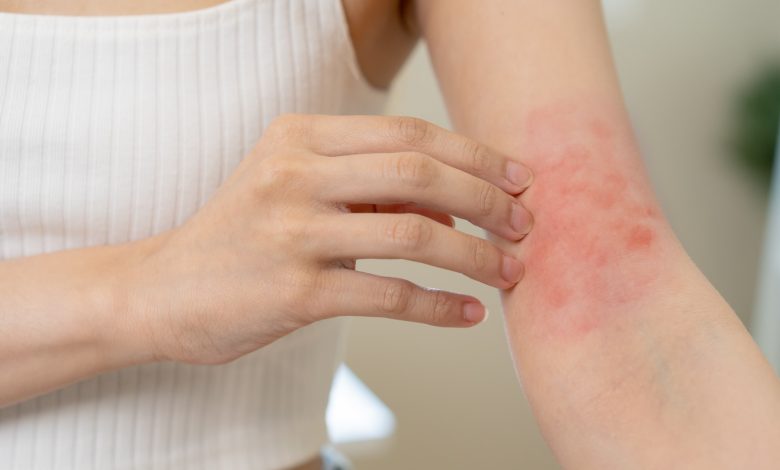
Skin irritation often develops because your skin barrier becomes stressed. The barrier protects you from allergens, microbes, pollutants, and harsh weather. Once weakened, the skin reacts quickly and produces symptoms such as:
- Itching
- Burning
- Redness
- Flaking or scaling
- Sensitivity to touch
- Patches that appear textured or inflamed
Generous amounts of skincare claims exist online, but irritated skin rarely improves unless you identify the underlying cause. Common triggers include:
Environmental exposure
Cold winds, dry indoor heating, harsh sunlight, humidity changes, and pollution push the skin beyond what it can handle.
Harsh products
Strong exfoliants, fragranced lotions, and aggressive soaps often strip natural oils and worsen inflammation.
Allergic contact reactions
Preservatives, perfumes, dyes, and metals may spark an immune reaction.
Underlying health conditions
Eczema, psoriasis, and auto-immune related issues like lichen planus create repeated cycles of irritation and may require targeted soothing plans.
Infections
Fungal and bacterial infections irritate the skin and spread if untreated. Some people turn to herbal antifungal supplements and creams, and while some ingredients help, others offer little benefit or cause further irritation. Understanding your trigger helps you choose remedies that work rather than relying on trial and error.
Natural Remedies for Irritated Skin: What Works
Many natural ingredients offer genuine relief based on their anti-inflammatory, hydrating, and barrier-supporting properties. Here are the remedies I frequently recommend to patients who want gentle approaches with proven benefits.
Aloe Vera Gel
Aloe vera contains compounds that soothe burning, reduce redness, and hydrate without clogging pores. It’s especially helpful for:
- Sunburn
- Mild rashes
- Dry skin
- Irritated patches from shaving or friction
Use pure aloe gel without added colours or perfumes. Apply twice daily on irritated areas.
What works: Pure, organic aloe vera.
What doesn’t: Processed gels with alcohol or artificial fragrance—they often sting.
Oatmeal (Colloidal Oatmeal Baths and Creams)
Oats contain beta-glucans and antioxidants that calm itching and prevent moisture loss. Colloidal oatmeal reduces irritation linked to eczema and sensitive skin. Mix a few tablespoons of finely ground oatmeal into warm bathwater or apply a medical-grade oatmeal cream.
What works: Finely ground oats that fully dissolve in water.
What doesn’t: Regular porridge oats—they don’t coat the skin evenly.
Coconut Oil for Dryness
Coconut oil locks in moisture and helps restore the skin barrier. It’s ideal for extremely dry skin and flaking. However, avoid using it on acne-prone or oily skin, as it may clog pores.
What works: Cold-pressed, unrefined coconut oil.
What doesn’t: Using it on active acne or fungal rashes.
Chamomile Compresses
Chamomile naturally reduces inflammation and calms irritation. A warm chamomile compress works well for:
- Redness around the eyes
- Localised rashes
- Stress-related irritation
Steep chamomile tea, allow it to cool slightly, and apply with a sterile cloth.
What works: Pure chamomile.
What doesn’t: Chamomile on skin with known plant allergies.
Honey (Raw Manuka Honey)
Raw honey acts as a natural antimicrobial. Manuka honey, in particular, protects the skin and promotes healing. Use it on:
- Dry, inflamed patches
- Small abrasions
- Mild eczema flares
What works: Medical-grade Manuka honey.
What doesn’t: Processed supermarket honey, which lacks the healing properties.
Calendula Cream
Calendula has long been used to reduce irritation and support healing. It’s gentle enough for babies and effective for adults. Apply a thin layer twice daily for best results.
What works: Organic calendula ointments.
What doesn’t: Products mixed with synthetic fragrance.
What Doesn’t Work for Irritated Skin
Many people unintentionally make their symptoms worse by choosing “trendy” natural treatments that lack evidence. Here are methods you should avoid:
Lemon Juice
Lemon juice is highly acidic. It damages the skin barrier and increases sun sensitivity.
Baking Soda
It disrupts the natural pH of your skin and causes dryness and burning.
Toothpaste on rashes
Toothpaste ingredients irritate sensitive skin and often cause peeling.
Essential Oils Without Dilution
Great for aromatherapy, but harsh on irritated skin. Always dilute if you must use them.
Scrubs on inflamed patches
Exfoliating broken or irritated skin worsens inflammation.
Soothing Strategies That May Help Lichen Planus Irritation
Lichen planus causes purple, itchy bumps or patches on the skin or inside the mouth. Some people experience lichen planus like keratosis, where lesions resemble sun-damaged skin or thickened spots.
While medical treatment often requires prescription medication, several soothing strategies help reduce discomfort and support the skin’s recovery.
Cold Compresses
Applying a cold compress for 10 minutes reduces inflammation and quietens the itching.
Oatmeal Baths
Oatmeal baths soothe irritated skin and hydrate dry patches linked with lichen planus.
Coconut Oil or Shea Butter
Both provide moisture and strengthen the skin’s barrier. They also minimise scaling and cracking.
Aloe Vera for Redness
Aloe gel has a calming effect, especially around irritated or inflamed areas.
Antioxidant-Rich Diet
Certain foods reduce inflammation from within, including:
- Blueberries
- Leafy greens
- Almonds
- Avocados
- Olive oil
Reducing sugar and processed foods also supports your skin.
Avoid Harsh Soaps
Choose fragrance-free products and mild cleansers. Harsh chemicals trigger lichen planus flares.
Stress-Management Techniques
Stress is a major trigger for lichen planus flare-ups. Set aside time daily for:
- Deep breathing
- Gentle movement
- Outdoor walks
- Mindful activities such as reading or journaling
These small habits often reduce the frequency of irritation.
Do Herbal Antifungal Supplements and Creams Help Skin Irritation?
Many people turn to herbal antifungal supplements and creams because they prefer plant-based approaches. These remedies may help in certain circumstances, particularly for fungal-related irritation such as:
- Athlete’s foot
- Ringworm patches
- Yeast rashes
- Fungal-related itching around skin folds
Common herbal antifungal ingredients include:
- Tea tree oil
- Neem extract
- Garlic extract
- Oregano oil
- Turmeric
These ingredients may help reduce fungal growth, but they must be used properly:
What helps:
- Diluted tea tree oil applied in small amounts
- Neem-based creams
- Turmeric paste for small patches
- Oregano supplements taken under professional guidance
What doesn’t help:
- Applying strong essential oils directly on irritated skin
- Relying on herbal supplements alone for spreading infections
- Using homemade mixtures without proper dilution
Remember: if irritation worsens after using herbal products, stop immediately and consult a dermatologist.
How to Build a Safe Home Routine for Irritated Skin
Consistency makes a major difference. Here’s a simple daily routine you can follow.
Morning Routine
- Gentle cleanse: Use a fragrance-free cleanser.
- Hydration: Apply aloe vera or an oatmeal-based moisturiser.
- Barrier support: Add a thin layer of ceramide-rich cream.
- Sun protection: Use SPF 30 or higher to prevent further irritation.
Evening Routine
- Cleanse again with mild cleanser.
- Apply a soothing treatment: chamomile, calendula, or Manuka honey.
- Seal in moisture with coconut oil or shea butter (if suitable).
- Avoid strong exfoliants or alcohol-based products.
Lifestyle Changes That Help Prevent Irritated Skin
Even the best remedies provide limited benefit if daily habits keep triggering your symptoms.
Choose breathable fabrics
Cotton helps reduce friction and sweating.
Avoid long hot showers
Hot water strips natural oils.
Use a humidifier during dry seasons
Maintains moisture levels in the air.
Patch-test new products
Test everything, even natural products.
Drink enough water
Hydrated skin reacts less intensely.
Keep nails short
Helps prevent damage from scratching.
When to Avoid Natural Remedies and Seek Medical Attention
While natural treatments support irritated skin, some situations require professional care. Seek help if you notice:
- Spreading rashes
- Blisters
- Painful cracks
- Bleeding patches
- High fever with rash
- No improvement after two weeks of home care
- Severe lichen planus symptoms
- Suspected fungal infection that doesn’t respond to topical treatments
You may need steroid creams, antifungal medication, or targeted dermatology treatment.
Final Thoughts
Relieving skin irritation becomes easier once you have reliable information and tools that genuinely work. Natural remedies can support the skin, but choosing the right ones makes the real difference. Ingredients like aloe vera, oatmeal, calendula, chamomile, and Manuka honey help restore comfort and minimise inflammation.
If you deal with chronic irritation or conditions such as lichen planus, adding simple soothing strategies improves comfort and reduces flare-ups. Meanwhile, herbal products offer benefits for fungal-related irritation, but they must be used carefully. Your skin responds well to gentle care, and with the correct approach, you can support healing and prevent recurring discomfort.
If you want an in-depth guide focused on alternative solutions that support irritated skin, consider reading more about natural remedies for irritated skin for additional tips and comparisons of commonly recommended treatments.