13 Signs You May Have Kidney Disease Linked to Fatigue, Swelling, and More

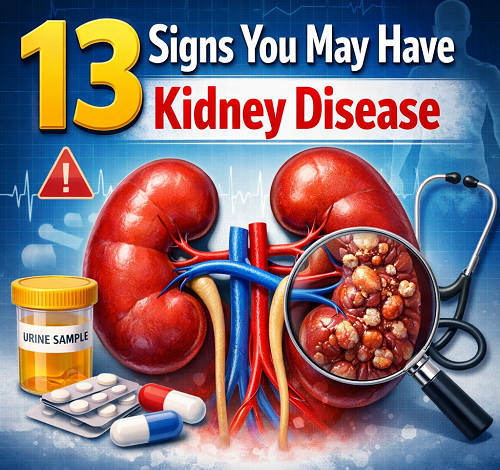
Your kidneys work quietly in the background every single day. These two bean-shaped organs filter waste, balance fluids, regulate blood pressure, control electrolytes, and even help produce red blood cells. But when kidney function begins to decline, the warning signs can be subtle at first.
Understanding the 13 Signs You May Have Kidney Disease can help you recognize potential problems early — when treatment is most effective.
Kidney disease often develops slowly. Many people don’t realize there’s an issue until significant damage has already occurred. That’s why recognizing symptoms like fatigue, swelling, and changes in urination is so important.
13 Signs You May Have Kidney Disease
Let’s explore the 13 Signs You May Have Kidney Disease and what they mean for your health.
1. Persistent Fatigue and Low Energy
One of the most common early symptoms of kidney disease is constant fatigue.
Healthy kidneys produce a hormone called erythropoietin (EPO), which helps your body make red blood cells. When kidney function declines, red blood cell production decreases, leading to anemia. Anemia reduces oxygen delivery to your muscles and brain, causing:
- Ongoing tiredness
- Weakness
- Difficulty concentrating
- Shortness of breath with mild activity
If you feel exhausted despite adequate sleep, it could be one of the 13 Signs You May Have Kidney Disease.
2. Swelling in the Feet, Ankles, or Face
Your kidneys regulate fluid balance. When they’re not working properly, excess fluid builds up in the body.
This can cause:
- Swelling in the feet and ankles
- Puffy hands
- Facial swelling, especially around the eyes
- Tight shoes or rings
Fluid retention is one of the more noticeable signs on the list of the 13 Signs You May Have Kidney Disease. Swelling that doesn’t go away should always be evaluated.
3. Changes in Urination
Because kidneys produce urine, changes in urination are a major red flag.
Watch for:
- Urinating more frequently, especially at night
- Urinating less than usual
- Foamy or bubbly urine
- Dark or tea-colored urine
- Blood in the urine
- Pain or pressure during urination
Urinary changes are often among the earliest of the 13 Signs You May Have Kidney Disease.
4. Foamy or Bubbly Urine
Foamy urine may indicate excess protein in your urine — a condition called proteinuria.
Healthy kidneys prevent protein from leaking into urine. When the kidney filters are damaged, protein escapes. Persistent foam in the toilet bowl can be a subtle but important sign.
Protein leakage is one of the strongest clinical indicators in the 13 Signs You May Have Kidney Disease.
5. Difficulty Concentrating or Brain Fog
When kidneys fail to filter toxins efficiently, waste products accumulate in the bloodstream. This buildup can affect cognitive function.
You may experience:
- Brain fog
- Poor focus
- Memory issues
- Confusion in severe cases
Mental fatigue combined with physical fatigue can be part of the 13 Signs You May Have Kidney Disease.
6. Shortness of Breath
Shortness of breath may occur for two main reasons in kidney disease:
- Fluid buildup in the lungs
- Anemia due to reduced red blood cell production
If you find yourself breathless with minimal exertion, especially alongside swelling or fatigue, it may be one of the 13 Signs You May Have Kidney Disease.
7. Persistent Itching
Chronic kidney disease can cause mineral and nutrient imbalances. When waste builds up in the bloodstream, it may trigger intense itching (uremic pruritus).
Unlike dry skin, this itching:
- Is widespread
- Persists despite moisturizing
- Often worsens at night
Persistent itching is an overlooked but significant entry among the 13 Signs You May Have Kidney Disease.
8. Muscle Cramps
Electrolytes like sodium, potassium, and calcium are regulated by the kidneys. When levels become unbalanced, muscle cramps can occur.
You may notice:
- Leg cramps at night
- Muscle twitching
- Weakness
Electrolyte imbalances are commonly associated with the 13 Signs You May Have Kidney Disease.
9. Loss of Appetite
Toxin buildup in the bloodstream can cause nausea and appetite suppression.
You may experience:
- Reduced interest in food
- Early fullness
- Metallic taste in the mouth
- Unintentional weight loss
Loss of appetite is frequently reported in individuals experiencing the 13 Signs You May Have Kidney Disease.
10. Nausea and Vomiting
As kidney function declines further, waste accumulation may trigger gastrointestinal symptoms.
Symptoms can include:
- Morning nausea
- Vomiting
- General stomach discomfort
These symptoms often appear in later stages but can still be part of the 13 Signs You May Have Kidney Disease.
11. High Blood Pressure
Kidneys help regulate blood pressure. Damaged kidneys may struggle to control fluid and sodium levels, leading to hypertension.
At the same time, high blood pressure can also cause kidney damage — creating a dangerous cycle.
Uncontrolled hypertension is both a cause and one of the 13 Signs You May Have Kidney Disease.
12. Back Pain (Flank Pain)
While early kidney disease often causes no pain, certain kidney conditions may cause discomfort in the back or sides.
Pain may indicate:
- Kidney infections
- Kidney stones
- Polycystic kidney disease
Persistent flank pain can sometimes appear among the 13 Signs You May Have Kidney Disease, particularly in structural disorders.
13. Cold Sensitivity
Anemia caused by reduced kidney function can make you feel unusually cold — even in warm environments.
You may notice:
- Chills
- Cold hands and feet
- Difficulty staying warm
Cold sensitivity is a lesser-known but real component of the 13 Signs You May Have Kidney Disease.
Who Is Most at Risk?
Certain individuals are at higher risk of developing kidney disease:
- People with diabetes
- Individuals with high blood pressure
- Family history of kidney disease
- Heart disease patients
- Individuals over age 60
- Those with autoimmune disorders
If you fall into a high-risk group and experience any of the 13 Signs You May Have Kidney Disease, early screening is critical.
Why Early Detection Matters
Kidney disease progresses in stages. In early stages, damage can often be slowed — and sometimes stabilized — with:
- Blood pressure control
- Blood sugar management
- Medication adjustments
- Dietary changes
- Lifestyle modifications
Unfortunately, many people only discover kidney disease in later stages when symptoms become severe.
Recognizing the 13 Signs You May Have Kidney Disease can significantly improve long-term outcomes.
When to See a Doctor
You should seek medical evaluation if you experience:
- Persistent swelling
- Blood in urine
- Severe fatigue
- Ongoing nausea
- Uncontrolled blood pressure
- Decreased urination
Doctors typically perform:
- Blood tests (creatinine, GFR)
- Urine tests (protein levels)
- Imaging scans
- Blood pressure checks
Early lab testing can confirm whether symptoms are truly linked to kidney dysfunction.
How to Protect Your Kidney Health
Whether you are experiencing symptoms or not, protecting kidney health is essential.
- Stay Hydrated
Drink adequate water unless otherwise advised by your doctor.
- Control Blood Sugar
Diabetes is the leading cause of kidney disease.
- Manage Blood Pressure
Aim for healthy blood pressure levels.
- Eat a Kidney-Friendly Diet
Reduce excess salt and processed foods.
- Avoid Overuse of Painkillers
NSAIDs can damage kidneys when used excessively.
- Maintain a Healthy Weight
Obesity increases kidney strain.
Final Thoughts
The kidneys are vital organs that often don’t show clear warning signs until damage is advanced. That’s why understanding the 13 Signs You May Have Kidney Disease is so important.
From persistent fatigue and swelling to urinary changes and high blood pressure, these symptoms should never be ignored — especially if you are at high risk.
If you notice multiple signs from the list of the 13 Signs You May Have Kidney Disease, consult a healthcare provider promptly. Early diagnosis can slow progression, improve quality of life, and prevent serious complications.
Your kidneys work hard for you every day. Paying attention to these warning signs could make all the difference in protecting your long-term health.