
What is Thrombocytopenia?
Thrombocytopenia is a condition in which you have a low blood platelet count. Platelets (thrombocytes) are colorless blood cells that help blood clot. Platelets stop bleeding by clumping and forming plugs in blood vessel injuries. A normal platelet count in adults ranges from 150,000 to 450,000 platelets per microliter of blood. A platelet count of less than 150,000 platelets per microliter is lower than normal. If your blood platelet count falls below normal, you have thrombocytopenia.Causes of Thrombocytopenia
Many factors can cause a thrombocytopenia, such as:- The body’s bone marrow doesn’t make enough platelets.
- The bone marrow makes enough platelets, but the body destroys them or uses them up.
- The spleen holds on to too many platelets. The spleen is an organ that normally stores about one-third of the body’s platelets. It also helps your body fight infection and remove unwanted cell material.
- A combination of the above factors.
Symptoms of Thrombocytopenia
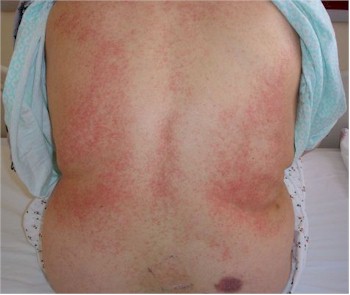
Symptoms and signs of thrombocytopenia may include:- Superficial bleeding into the skin resulting in small reddish spots (petechiae)
- Fatigue
- Easy or excessive bruising (purpura)
- Prolonged bleeding cuts
- Spontaneous bleeding from the gums or nose
- Jaundice
- Heavy menstrual bleeding that’s unusual for the individual
- Blood in the urine or stools
- Enlarged spleen
- Bleeding that will not stop
- DVT (deep vein thrombosis
Diagnosis of Thrombocytopenia
The following tests may be done:- Complete blood count (CBC)
- Blood clotting tests (PTT and PT)
Treatment of Thrombocytopenia
Some people develop severe or long-term (chronic) thrombocytopenia. Depending on what’s causing your low platelet count, treatments may include:- Treating the underlying cause of thrombocytopenia. If your doctor can identify a condition or a medication that’s causing your thrombocytopenia, addressing that cause may clear up your thrombocytopenia For example, if you have heparin-induced thrombocytopenia, your doctor will direct you to stop using heparin and prescribe a different blood-thinning drug. Your thrombocytopenia may persist for a week or more despite stopping all heparin therapy.
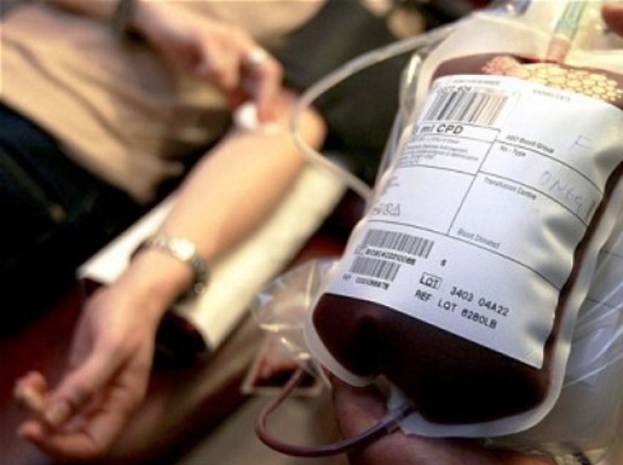
- Blood or platelet transfusions. If your platelet level becomes too low, your doctor can replace lost blood with transfusions of packed red blood cells or platelets.
- Medications. If your condition is related to an immune system problem, your doctor may prescribe drugs to boost your platelet count. The first-choice drug may be a corticosteroid. If that doesn’t work, he or she may try stronger medications to suppress your immune system.
- Surgery. If other treatment options don’t help, your doctor may recommend surgery to remove your spleen (splenectomy).
- Plasma exchange. Thrombotic thrombocytopenic purpura can result in a medical emergency requiring plasma exchange.
By : Natural Health News