
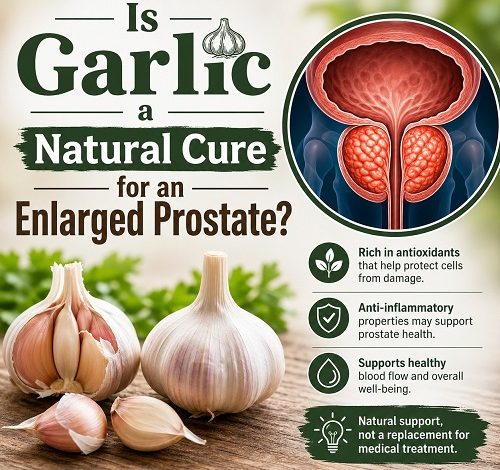
An enlarged prostate—medically known as Benign Prostatic Hyperplasia (BPH)—is a common condition affecting aging men. It can cause urinary problems, discomfort, and reduced quality of life. With increasing interest in natural remedies, many people ask: Can garlic cure an enlarged prostate?
Garlic (scientifically called Allium sativum) has been praised for centuries for its medicinal properties. But does it truly act as a “natural cure” for prostate enlargement—or is that an oversimplification?
Understanding an Enlarged Prostate (BPH)
What Is BPH?
BPH is a non-cancerous enlargement of the prostate gland. It typically occurs in men over 50 and becomes more common with age.
Common Symptoms:
- Frequent urination (especially at night)
- Weak urine flow
- Difficulty starting urination
- Feeling of incomplete bladder emptying
The condition is largely driven by hormonal changes, particularly the hormone Dihydrotestosterone (DHT), which stimulates prostate growth.
Why Garlic Is Considered a Natural Remedy
Garlic has long been used in traditional medicine due to its rich composition of active compounds, including:
- Allicin (powerful antioxidant)
- Sulfur-containing compounds
- Flavonoids
These components give garlic its:
- Anti-inflammatory properties
- Antioxidant effects
- Potential hormone-regulating benefits
These properties are why researchers have explored garlic as a possible aid for prostate health.
What Science Says About Garlic and Enlarged Prostate
1. Animal Studies Show Promising Effects
A laboratory study found that garlic reduced prostate size and suppressed growth-related hormones in rats with BPH. It also lowered inflammation and harmful proteins in prostate tissue.
This suggests garlic may slow progression, but animal studies do not always translate directly to humans.
2. Human Studies Show Some Improvement
A small clinical study involving men with BPH found that garlic extract:
- Reduced prostate size
- Improved urine flow
- Decreased urinary frequency
However, the study was small and short-term, meaning results are not strong enough to confirm garlic as a cure.
3. Dietary Studies Suggest Preventive Benefits
Large population studies indicate that people who regularly consume garlic and onions have a lower risk of developing BPH.
This suggests garlic may:
- Help prevent prostate enlargement
- Support long-term prostate health
But prevention is different from treatment or cure.
Key Takeaway From Research
Garlic shows potential benefits, but:
👉 There is no strong scientific evidence that garlic can cure an enlarged prostate.
👉 It may help reduce symptoms or slow progression, especially when combined with a healthy lifestyle.
How Garlic May Help the Prostate
1. Reduces Inflammation
Chronic inflammation plays a role in prostate enlargement. Garlic’s anti-inflammatory compounds may help calm this process.
2. Supports Hormonal Balance
Garlic may influence DHT levels, which are directly linked to prostate growth.
3. Improves Blood Circulation
Better circulation helps deliver nutrients and oxygen to prostate tissue.
4. Antioxidant Protection
Garlic neutralizes free radicals that damage cells and contribute to aging and disease.
Is Garlic a Cure or Just Supportive?
Let’s be clear:
- ❌ Garlic is NOT a cure for BPH
- ✅ Garlic is a supportive natural remedy
It can be part of a broader management strategy but should not replace medical treatment.
Medical Treatments vs Natural Remedies
Conventional Treatments for BPH
Doctors may recommend:
- Alpha-blockers (to relax muscles)
- 5-alpha-reductase inhibitors (to reduce prostate size)
- Surgery in severe cases
Where Garlic Fits In
Garlic can:
- Complement medical treatment
- Support overall prostate health
- Possibly reduce mild symptoms
But relying on garlic alone for severe BPH is not advisable.
How to Use Garlic for Prostate Health
1. Raw Garlic
- Crush or chop 1–2 cloves daily
- Let it sit for 10 minutes to activate allicin
2. Cooked Garlic
- Still beneficial, but slightly less potent
3. Garlic Supplements
- Available as capsules or extracts
- Standardized doses may be more consistent
⚠️ Always consult a healthcare provider before starting Herbal supplements.
Recommended Daily Intake
There is no official dose for prostate health, but general guidelines suggest:
- 1–3 cloves of fresh garlic per day
OR - 300–1000 mg garlic extract (standardized)
Possible Side Effects of Garlic
While generally safe, garlic may cause:
- Bad breath
- Heartburn
- Digestive discomfort
- Increased bleeding risk (important if taking blood thinners)
Who Should Be Careful?
Avoid excessive garlic intake if you:
- Are on blood-thinning medication
- Have upcoming surgery
- Have sensitive digestion
Other Natural Remedies for Enlarged Prostate
Garlic works best when combined with other lifestyle strategies:
1. Diet Changes
- More vegetables and fruits
- Reduce red meat and processed foods
2. Exercise
- Regular physical activity improves hormone balance
3. Other Herbal Options
- Saw palmetto
- Pygeum
- Pumpkin seed extract
These are often studied alongside garlic for prostate support.
Lifestyle Tips to Manage BPH
- Limit caffeine and alcohol
- Avoid drinking fluids before bedtime
- Maintain a healthy weight
- Practice bladder training
When to See a Doctor
Seek medical advice if you experience:
- Severe urinary difficulty
- Blood in urine
- Painful urination
- Sudden inability to urinate
These may indicate serious complications.
Final Verdict: Can Garlic Cure an Enlarged Prostate?
Garlic is not a miracle cure, but it is a valuable natural ally.
The truth is:
- ✔ It may help reduce inflammation
- ✔ It may support prostate health
- ✔ It may improve mild symptoms
- ❌ It cannot reverse or cure BPH on its own
Conclusion
Garlic stands out as a powerful natural food with real health benefits, including potential support for prostate health. Scientific studies suggest it may help reduce symptoms and even slow the progression of an enlarged prostate, but the evidence is not strong enough to call it a cure.
If you’re dealing with BPH, think of garlic as part of a holistic approach—combined with a healthy diet, lifestyle changes, and proper medical care.