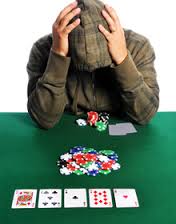
What Is Compulsive Gambling?
Compulsive gambling is an urge to gamble continuously despite harmful negative consequences or a desire to stop.
Gambling can stimulate the brain’s reward system much like drugs such as alcohol can, leading to addiction.
Causes And Risk Factors Of Compulsive Gambling:
Like many problems, compulsive gambling may result from a combination of biological, genetic and environmental factors. However, exact cause is yet to be found.
Some common risk factors include:
- Other behavior or mood disorders.
People having ADHD, personality disorders, substance abuse problems etc are more prone to compulsive gambling
Compulsive gambling is more common in younger and middle-aged people.
Compulsive gambling is more common in men than in women
People whose parents have gambling problems are more likely to be compulsive gamblers.
Dopamine, a drug, has a side effect of compulsive behavior
- Certain personality characteristics.
Being highly competitive, a workaholic, restless or easily bored may increase risks of compulsive gambling.
Symptoms Of Compulsive Gambling:
Some common symptoms of compulsive gambling may include the following:
- Gaining a thrill from taking big gambling risks
- Taking increasingly bigger gambling risks
- Preoccupation with gambling
- Reliving past gambling experiences
- Gambling as a way to escape problems or feelings of helplessness, guilt or depression
- Taking time from work or family life to gamble
- Concealing or lying about gambling
- Feeling guilt or remorse after gambling
- Borrowing money or stealing to gamble
- Failed efforts to cut back on gambling
Diagnosis Of Compulsive Gambling:
In order to be diagnosed with compulsive gambling, one needs to fulfill DSM criteria which need to be present for one year.
The criteria include the following salient points:
- Is preoccupied with gambling, such as reliving past gambling experiences or planning ways to get gambling money
- Needs to gamble with increasing amounts of money to become excited
- Tries to control, cut back or stop gambling, without success
- Gets restless or irritable when attempting to cut down on gambling
- Gambles as a way to escape problems or to relieve feelings of helplessness or sadness
- Chases losses, or tries to get back lost money by gambling more
- Lies to family members, therapists or others to hide the extent of gambling
- Jeopardizes or loses an important relationship, job, or educational or career opportunity because of gambling
- Turns to others for money when the financial situation becomes desperate
Treatment Of Compulsive Gambling:
Treatment of compulsive gambling can be sub divided into three types.
- Psychotherapy
- Medications
- Anti depressants
- Mood stabilizers
- Self-help groups
By :
Natural Health News