

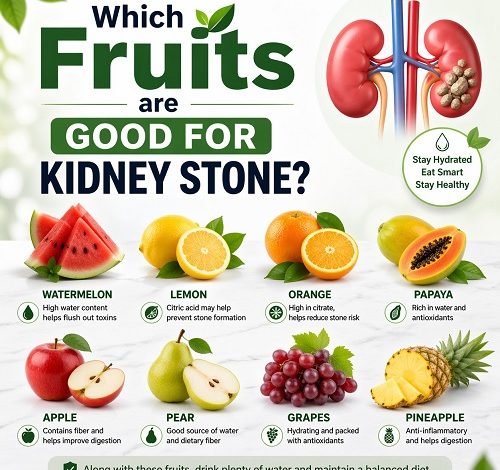
Kidney stones are a painful and increasingly common health condition affecting millions of people worldwide. Medically known as Kidney Stones, these hard mineral deposits form in the kidneys and can travel through the urinary tract, causing severe discomfort. While medical treatment is sometimes necessary, diet plays a crucial role in both prevention and management—and fruits are among the most powerful natural allies you can include in your daily routine. Fruits are good for kidney stones, how they help, and how to incorporate them effectively into your diet.
Understanding Kidney Stones
Before diving into fruits, it’s important to understand what kidney stones are and why they form.
Kidney stones develop when certain substances in urine—such as calcium, oxalate, and uric acid—become highly concentrated and crystallize. Over time, these crystals grow into stones.
Common Types of Kidney Stones
- Calcium oxalate stones (most common)
- Uric acid stones
- Struvite stones
- Cystine stones
Dietary choices, hydration, genetics, and lifestyle all influence their formation.
Why Fruits Are Beneficial for Kidney Stones
Fruits offer several benefits that help prevent and manage kidney stones:
- High Water Content
Fruits like watermelon and oranges help keep you hydrated, diluting urine and reducing stone formation.
- Rich in Citrate
Citrate is a natural compound that prevents stone formation by binding calcium. Many citrus fruits are rich in citrate.
- Low in Sodium and Fat
Unlike processed foods, fruits are naturally low in sodium, which is essential for kidney health.
- Provide Essential Nutrients
Fruits are rich in vitamins, antioxidants, and fiber, supporting overall kidney function.
Best Fruits for Kidney Stones
Let’s explore the most effective fruits you should include in your diet.
- Citrus Fruits (Lemons, Oranges, Limes)
Citrus fruits are among the best for preventing kidney stones.
- High in citrate
- Help break down small stones
- Prevent new stones from forming
Best options:
- Lemon juice in warm water
- Fresh oranges
- Lime water
👉 Drinking lemon water daily is one of the simplest remedies.
- Watermelon
Watermelon is incredibly hydrating and kidney-friendly.
- Contains over 90% water
- Helps flush out toxins
- Supports urine flow
Regular consumption can reduce the risk of stone formation.
- Apples
Apples are rich in fiber and antioxidants.
- Help regulate digestion
- Reduce risk of stone formation
- Support overall kidney health
Tip: Eat apples with the skin for maximum benefit.
- Berries (Strawberries, Blueberries, Raspberries)
Berries are powerful due to their antioxidant content.
- Reduce inflammation
- Support urinary tract health
- Help prevent infections
They are especially helpful for maintaining kidney function.
- Pomegranates
Pomegranates are excellent for detoxification.
- Improve kidney filtration
- Reduce acidity in urine
- Help prevent stone buildup
Fresh juice is particularly beneficial.
- Bananas
Bananas are rich in potassium.
- Help regulate calcium levels
- Reduce stone formation risk
- Support kidney function
They are especially useful for those prone to calcium stones.
- Papaya
Papaya supports digestion and kidney health.
- Contains enzymes that aid metabolism
- Helps prevent toxin buildup
- Supports urinary health
- Grapes
Grapes act as a natural diuretic.
- Increase urine production
- Help flush out toxins
- Reduce uric acid levels
- Pineapple
Pineapple contains bromelain, an anti-inflammatory enzyme.
- Reduces inflammation
- Supports kidney detox
- Helps ease pain associated with stones
- Coconut (Coconut Water)
Coconut water is a natural remedy.
- Hydrates the body
- Flushes out kidney toxins
- May help dissolve small stones
Fruits to Limit or Avoid
While many fruits are beneficial, some should be consumed cautiously—especially for people prone to calcium oxalate stones.
High-Oxalate Fruits
- Spinach (technically a vegetable but often consumed similarly)
- Rhubarb
- Starfruit (can be harmful in kidney disease)
Why Avoid Excess Oxalate?
Oxalate can bind with calcium and form stones, making it important to moderate intake.
How to Use Fruits Effectively
Simply eating fruits occasionally won’t provide maximum benefit. Here’s how to use them properly:
- Stay Consistent
Eat fruits daily rather than occasionally.
- Combine with Hydration
Drink plenty of water alongside fruit consumption.
- Prefer Fresh Over Processed
Avoid canned fruits or juices with added sugar.
- Use Natural Juices
Freshly squeezed juices (especially citrus) are more effective.
Sample Daily Fruit Plan
Here’s a simple plan to incorporate kidney-friendly fruits:
Morning
- Warm lemon water
- 1 apple
Mid-Morning Snack
- A bowl of watermelon or papaya
Lunch
- Add pomegranate seeds to salad
Evening Snack
- Handful of berries
Before Bed
- Coconut water
Additional Dietary Tips
Fruits are powerful, but they work best alongside a healthy lifestyle.
- Drink More Water
Aim for 2–3 liters daily.
- Reduce Salt Intake
Excess sodium increases calcium in urine.
- Limit Animal Protein
Too much protein can increase stone risk.
- Balance Calcium Intake
Don’t eliminate calcium—just consume it wisely.
Role of Citrate in Preventing Stones
Citrate plays a key role in preventing kidney stones by:
- Binding calcium in urine
- Preventing crystal formation
- Reducing stone growth
This is why citrus fruits are highly recommended.
Natural Remedies Using Fruits
Here are a few simple remedies for kidney health you can try:
Lemon Detox Drink
- 1 glass water
- Juice of half a lemon
- Drink daily
Watermelon Cleanse
- Eat watermelon for hydration throughout the day
Pomegranate Juice Routine
- 1 glass fresh juice daily
Who Should Be Careful?
While fruits are generally safe, certain individuals should consult a doctor:
- People with chronic kidney disease
- Those on potassium-restricted diets
- Individuals with diabetes (due to fruit sugar)
Frequently Asked Questions
Are fruits enough to dissolve kidney stones?
Fruits can help prevent and manage stones, but large stones may require medical treatment.
Which fruit is best for kidney stones?
Citrus fruits, especially lemons, are considered the most effective.
Can I drink fruit juice instead of eating whole fruit?
Fresh juice is beneficial, but whole fruits provide fiber and are better overall.
Final Thoughts
Managing kidney stones doesn’t always require complex treatments—sometimes, simple dietary changes can make a significant difference. Fruits, with their natural hydration, citrate content, and essential nutrients, are among the best tools you have to prevent and manage kidney stones.
By including fruits like lemons, watermelon, apples, berries, and pomegranates in your daily diet, you can support your kidney health naturally and reduce the risk of painful stone formation.
Consistency is key. Combine a fruit-rich diet with proper hydration and a balanced lifestyle, and you’ll be taking a powerful step toward long-term kidney health.