Kidney health is a critical aspect of overall well-being. Your kidneys filter waste, balance fluids, regulate blood pressure, and keep essential minerals in balance. However, millions around the world suffer from reduced kidney function, often leading to chronic kidney disease (CKD) and eventually, dialysis—a treatment that mimics some kidney functions when they fail. But what if you could improve kidney function naturally and avoid dialysis altogether?
The good news is that in many cases, kidney decline can be slowed, halted, or even modestly reversed through lifestyle adjustments, dietary changes, and targeted natural interventions. This comprehensive guide will walk you through proven ways to improve kidney function and potentially avoid dialysis, whether you’re in the early stages of kidney disease or looking to protect your kidneys long-term.
Understanding Kidney Function and Kidney Failure
Your kidneys perform essential functions:
Filter waste products and excess fluids
Balance electrolytes like sodium and potassium
Regulate blood pressure via the renin-angiotensin system
Stimulate red blood cell production through erythropoietin
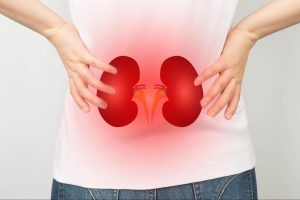
When kidneys stop functioning effectively, toxins build up, blood pressure can rise, and fluid retention can occur. If left unmanaged, CKD can progress to end-stage renal disease (ESRD), requiring dialysis or a kidney transplant.
But dialysis is not inevitable. With the right care, people can maintain and even improve kidney health, especially if they act early.
1. Adopt a Kidney-Friendly Diet
Diet is one of the most powerful tools to improve kidney function. What you eat directly impacts how hard your kidneys have to work.
Reduce Sodium Intake
Excess sodium causes fluid retention and high blood pressure.
Stick to under 2,000 mg of sodium per day.
Avoid processed foods, canned soups, pickles, soy sauce, and fast food.
Limit Protein (But Don’t Eliminate It)
While protein is essential, too much can burden damaged kidneys.
Choose high-quality proteins like eggs, chicken, tofu, and fish in moderate amounts.
Control Potassium and Phosphorus
Too much potassium (hyperkalemia) can cause dangerous heart rhythms.
Monitor intake of bananas, oranges, potatoes, tomatoes, and spinach.
High-phosphorus foods include dairy, nuts, seeds, and colas.
Eat More Plant-Based Foods
Fruits (low potassium ones), vegetables, and whole grains reduce acid load on kidneys.
Plant foods are rich in antioxidants that protect kidney cells from damage.
2. Stay Hydrated – But Not Overhydrated
Water helps your kidneys flush out toxins, but overhydration can be dangerous for people with CKD.
Tips:
Drink pure water throughout the day (unless on fluid restriction).
Avoid sugary sodas, energy drinks, and excessive caffeine.
For most people with normal or early-stage kidney function, 6–8 cups of water daily is sufficient.
3. Control Blood Sugar – Especially for Diabetics
Diabetes is the leading cause of kidney disease. High blood sugar damages the tiny blood vessels in the kidneys (diabetic nephropathy).
How to Protect Your Kidneys from Diabetes:
Monitor your blood glucose levels regularly.
Avoid refined sugars, white bread, and sweetened drinks.
Focus on low-glycemic foods, such as leafy greens, lentils, and whole grains.
Use natural blood sugar stabilizers like berberine, cinnamon, or bitter melon.
4. Lower Your Blood Pressure
Hypertension is the second leading cause of kidney failure. Even slightly elevated pressure damages kidney blood vessels over time.
Consider herbs like hibiscus, garlic, and coenzyme Q10.
Limit alcohol and caffeine.
5. Use Herbal Remedies That Support Kidney Health
Many traditional herbal Remedies have been used for centuries to support kidney health. While not a substitute for medical treatment, they can enhance kidney function and reduce inflammation.
Used in Traditional Chinese Medicine for kidney yin deficiency.
May improve kidney filtration rate and reduce proteinuria.
Turmeric (Curcumin)
Powerful anti-inflammatory.
May help reduce kidney scarring and oxidative damage.
Always consult your doctor or a qualified herbalist before using herbs, especially if you are on medications.
6. Exercise – But Don’t Overdo It
Regular physical activity improves circulation, lowers blood pressure, helps control blood sugar, and reduces inflammation—all vital for kidney health.
Ideal Exercises:
Brisk walking
Swimming
Cycling
Yoga or tai chi
Aim for 30 minutes per day, 5 times a week, but avoid intense workouts if you have advanced CKD, as it can increase creatinine temporarily.
7. Avoid Nephrotoxic Drugs and Toxins
Certain medications and substances can accelerate kidney damage.
Avoid:
NSAIDs (ibuprofen, naproxen) – Overuse can impair kidney function.
Contrast dyes used in imaging tests – Speak to your doctor about alternatives.
Proton pump inhibitors (PPIs) – Long-term use linked to CKD.
Heavy metals – Lead, mercury, and cadmium are toxic to kidneys.
Use natural alternatives and always notify your doctor if you have CKD before starting new medications.
8. Quit Smoking and Limit Alcohol
Smoking:
Reduces blood flow to kidneys.
Worsens diabetes and high blood pressure.
Increases the risk of ESRD by over 50%.
Alcohol:
Can cause dehydration and increase kidney workload.
Moderation is key—no more than one drink/day for women and two for men.
9. Monitor and Manage Your Kidney Numbers
If you’re at risk or already have CKD, regular monitoring is essential.
Key Labs to Watch:
eGFR (Estimated Glomerular Filtration Rate) – Lower means worse function.
Creatinine – A waste product that increases with kidney damage.
BUN (Blood Urea Nitrogen) – Elevated in impaired kidney function.
Albumin-to-Creatinine Ratio – Detects protein loss in urine.
Work with your nephrologist to interpret trends—not just one result.
10. Maintain a Healthy Weight
Obesity is strongly linked to kidney disease, diabetes, and high blood pressure. Losing just 5–10% of your body weight can improve kidney markers.
Tips:
Follow a Mediterranean or plant-based diet.
Reduce sugar and saturated fat intake.
Focus on whole foods and avoid crash diets.
11. Consider Intermittent Fasting or Caloric Restriction
Emerging research suggests that intermittent fasting and mild caloric restriction may improve kidney function, reduce inflammation, and promote cellular repair (autophagy).
Types include:
16:8 fasting (fast 16 hours, eat within 8)
5:2 fasting (eat normally 5 days, restrict 2)
Always consult your doctor before starting fasting if you have diabetes or CKD.
12. Manage Stress for Kidney Protection
Chronic stress increases cortisol, inflammation, and blood pressure—all of which damage kidneys.
If you have risk factors like diabetes, hypertension, heart disease, or a family history of CKD, get screened at least annually.
Conclusion: You Can Take Control of Your Kidney Health
Dialysis is not a foregone conclusion for people with kidney issues. With early intervention, targeted nutrition, herbal support, and lifestyle changes, many people stabilize or even improve kidney function and avoid dialysis altogether.
The key is commitment and consistency. Don’t wait for severe symptoms—start supporting your kidneys today.
Quick Checklist to Improve Kidney Function Naturally
✅ Reduce sodium and phosphorus in your diet
✅ Stay hydrated (but not overloaded)
✅ Control blood sugar and blood pressure
✅ Use kidney-friendly herbs and supplements
✅ Exercise gently and regularly
✅ Avoid nephrotoxic medications
✅ Quit smoking and limit alcohol
✅ Get regular kidney function tests
✅ Reduce stress and sleep well
By taking these proactive steps, you give your kidneys the best possible chance to heal, regenerate, and function properly—keeping you off dialysis and on the path to long-term health.



 But dialysis is not inevitable. With the right care, people can maintain and even improve kidney health, especially if they act early.