Ayurvedic Cure for Eczema: Natural Solutions for Lasting Relief
Share
7 Min Read
|
SHARE
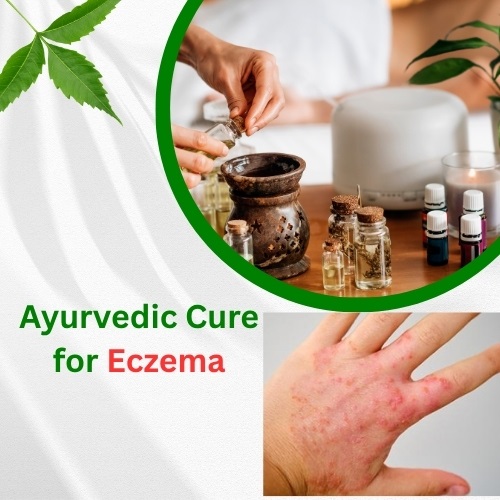
Eczema, or “Vicharchika” in Ayurveda, is more than just a skin condition. It affects physical comfort, emotional well-being, and confidence. Instead of masking symptoms with synthetic creams or steroids, many people are now seeking lasting solutions through Ayurvedic principles—using the wisdom of nature to calm the skin, reduce inflammation, and support internal healing.
How to manage eczema naturally, with a focus on the ayurvedic cure for eczema, including lifestyle tips, herbal formulations, and dietary recommendations. These practices have supported people for generations and continue to provide safe, plant-based options today.
What Causes Eczema According to Ayurveda?
Ayurveda attributes eczema to an imbalance in the doshas, primarily Pitta and Kapha. Pitta governs heat and metabolism, so when it becomes aggravated, it can lead to inflammation and redness. Kapha, which controls structure and fluid balance, can cause oozing and swelling when disturbed.
Common triggers include:
Excessive consumption of spicy, fried, or acidic foods
The goal in Ayurveda is to address the root cause, not just the symptoms. To answer the common question of how to cure eczema permanently ayurvedic, consistency and a holistic plan are key. Here’s what typically works:
Panchakarma Therapy
A detoxifying procedure designed to remove accumulated toxins (Ama) from the body.
Includes therapies like Vamana (emesis), Virechana (purgation), and Basti (medicated enema).
Herbal Formulations
Neem (Azadirachta indica): Blood-purifying and antibacterial.
Khadira (Acacia catechu): Excellent for skin inflammation.
Manjistha (Rubia cordifolia): Detoxifies the blood and lymph.
Triphala: Supports digestion and detox.
Internal Medicines
Mahamanjishtadi Kwath, Arogyavardhini Vati, and Guduchi Satva are commonly prescribed.
Topical Applications
Herbal oils like Kumkumadi oil, Eladi tailam, or Jatyadi oil reduce itching and promote healing.
Dietary Adjustments
Avoid processed foods, dairy, sour curd, and citrus fruits.
Eat light, easily digestible meals with cooked vegetables and warm water.
Stress Management
Practice meditation, yoga, and deep breathing.
Brahmi and Ashwagandha may be recommended for calming the mind.
Both heat and cold can trigger symptoms. Keep your environment moderate.
Wear Natural Fabrics
Cotton and linen allow the skin to breathe. Avoid wool or synthetic fibres.
Stay Hydrated
Sip warm water throughout the day to assist detoxification.
Maintain Regular Bowel Movements
Constipation can worsen skin issues. Use Triphala or Isabgol if needed.
Sleep Well
Go to bed before 10 p.m. and avoid screens an hour before bedtime.
When to Consult an Ayurvedic Practitioner
If eczema is widespread, recurrent, or affecting quality of life, self-treatment may not be enough. An Ayurvedic expert will assess your Prakriti (constitution), current dosha imbalances, and digestive health before prescribing a personalised plan. This approach ensures your treatment evolves with your condition and supports long-term skin harmony.
Conclusion
Healing eczema with Ayurveda takes patience, discipline, and a deep respect for how the body and mind work together. From personalised herbs to nourishing diets and calming routines, every element contributes to balance. Whether you’re applying ayurvedic home remedies to cure eczema or seeking advice on how to cure eczema permanently ayurvedic, these approaches work best when practised consistently. Trust in the body’s ability to heal—and allow Ayurveda to support it naturally.
If you’re looking for a sustainable, non-chemical solution to skin issues, the eczema ayurvedic cure may offer a gentle, effective path to skin health and peace of mind.


 Common triggers include: